Panel and load review
Review service size, panel condition, breaker space, existing demand, charger settings, and whether load management or panel work should be considered.

Plan a home, garage, multi-unit, workplace, or commercial EV charger around the charger model, electrical service, available panel capacity, parking location, cable route, weather exposure, daily driving, and future charging needs. Electrician Regina reviews the property before recommending the circuit and installation approach.
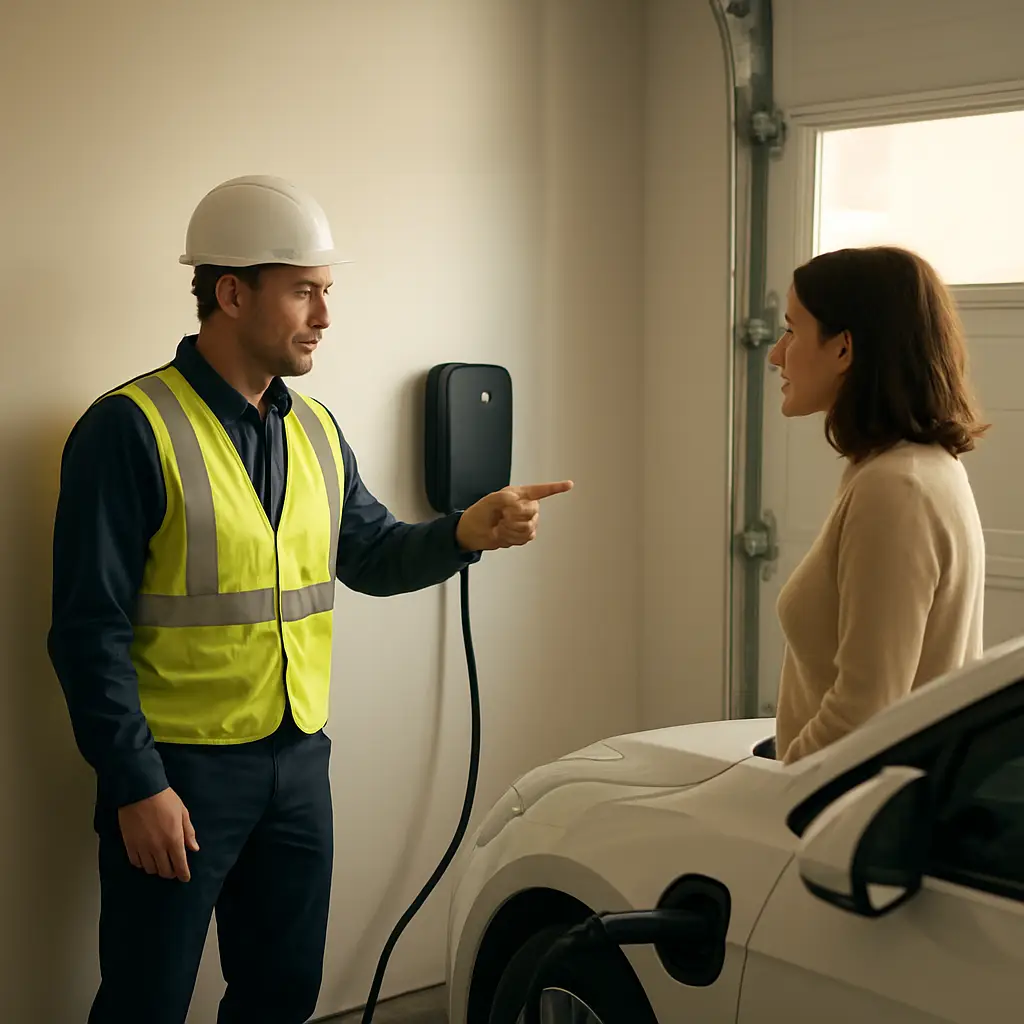
An EV charger installation typically starts with the vehicle and charger specifications, the electrical service and panel, available circuit capacity, the distance to the parking space, and the proposed mounting location. The assessment then determines whether the project needs a dedicated circuit, load management, panel work, a different charger setting, or additional planning for future vehicles.
A useful quote should account for the property and charging routine, not only the charger brand. These are the main decisions that shape scope, placement, materials, and electrical work.
Review service size, panel condition, breaker space, existing demand, charger settings, and whether load management or panel work should be considered.
Plan convenient charging for an attached garage, detached garage, driveway, carport, or outdoor parking space with practical cable reach and vehicle positioning.
Define the route from the electrical panel to the charger, including finished areas, basement access, garage construction, exterior exposure, and the mounting surface.
Where full charger output does not fit the existing electrical demand, review approved charger settings, energy management, power sharing, or other practical capacity options.
Consider parking ownership, electrical rooms, meter arrangement, approvals, cable distance, user access, billing expectations, and future charger expansion.
Plan employee, fleet, tenant, or customer charging around parking flow, electrical distribution, charger count, access control, networking, signage, and future growth.

A charger that works on paper can still be inconvenient if the cable does not reach the vehicle port, snow or ice collects around the parking area, the mounting location is exposed, or the wiring route crosses finished space. Local planning starts with how the vehicle is parked and used through the year.
Do not buy only by maximum output. A higher-rated charger does not automatically produce a better installation. Vehicle acceptance rate, daily driving, overnight parking time, panel capacity, and future plans should guide the practical charging level.
Charging needs vary by vehicle, commute, battery size, time parked, electrical capacity, and whether one or several drivers use the station.
A driver with modest daily kilometres and long overnight parking may not need the highest available charger output. Start with the vehicle and routine before choosing the electrical scope.
A dedicated charger circuit can provide more predictable home charging. The final charger setting and circuit design should follow the equipment, panel assessment, wiring route, and intended use.
Two vehicles, fleet use, shared parking, or several stations may benefit from power sharing, managed charging, access controls, or a phased expansion plan.
Good information early in the process helps avoid a charger that is poorly placed, oversized for the available service, or difficult to connect to the parking space.
Provide the vehicle, charger model, property type, panel photos, parking location, garage type, preferred timing, and future charging plans.
Assess the electrical service, panel, existing demand, breaker space, proposed charger position, cable reach, and route from the panel to parking.
Explain the recommended circuit, charger setting, mounting, materials, load-management options, access needs, and applicable permit or inspection steps.
Complete the approved electrical work, connect and test the charger as appropriate, and review normal use, cable care, and any future expansion considerations.
A charger quote is more accurate when the request includes the equipment, electrical panel, parking layout, and likely wiring path. Photos are useful when they can be taken safely.
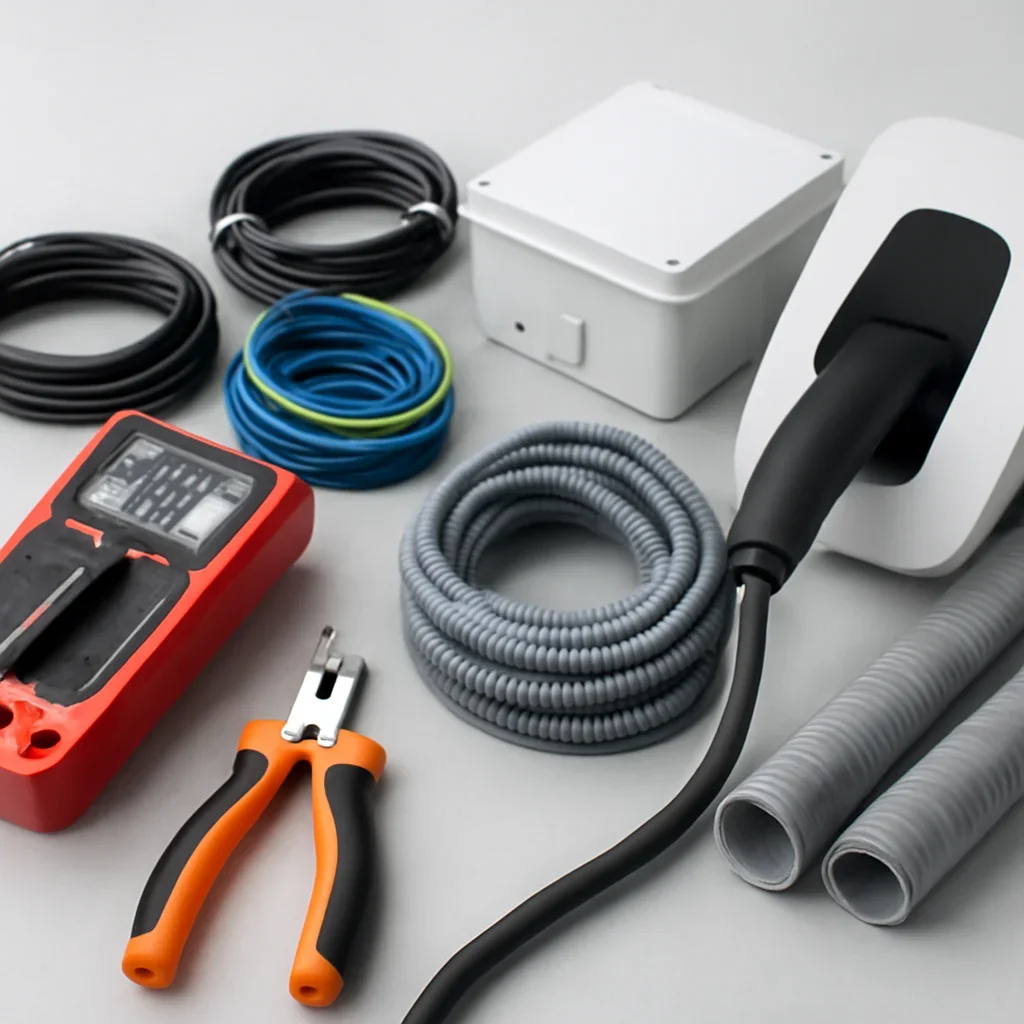
Neighbourhood alone does not determine the work. Panel location, garage construction, finished areas, parking ownership, electrical capacity, and charger distance are usually more important.
Properties in areas such as Cathedral, Lakeview, Rosemont, Albert Park, and Whitmore Park may need extra route planning where the garage is detached or previous electrical changes affect capacity.
Homes in Harbour Landing, Greens on Gardiner, Wascana View, and Northwest Regina may be adding EV charging alongside hot tubs, air conditioning, finished basements, workshops, and other loads.
Condos, rentals, offices, retail properties, and fleet locations may require owner or board approval, shared-capacity planning, access control, networking, or staged charger expansion.
Review the complete Regina electrical service area .

The goal is not simply to mount a charger. The recommendation should make sense for the vehicle, property, electrical system, daily charging routine, weather exposure, and likely future use.
Charger documentation, vehicle capability, connector needs, and installation requirements are reviewed before the scope is set.
Panel condition, existing demand, breaker space, and charger output are considered together rather than guessed from panel size alone.
Parking direction, charging-port position, cable reach, mounting height, impact exposure, and snow-clearing needs shape location.
Circuit capacity, charger settings, load management, panel work, and future expansion choices are discussed before approval.
Applicable electrical permit, approval, and inspection steps are identified as part of the project planning and completion path.
The completed installation is checked as appropriate, with normal use and relevant future considerations reviewed.
Explore the full electrical service directory for related residential and commercial work.
Practical answers about panels, charger size, detached garages, outdoor charging, quotes, multiple vehicles, commercial stations, and local service coverage.
Not automatically. The decision depends on the electrical service, panel condition, breaker space, existing demand, charger output, vehicle needs, and whether load management or a lower charger setting is suitable. The panel and property should be reviewed before a panel upgrade is recommended.
Share the charger brand and model, vehicle year and model, panel photos, proposed charger location, garage type, parking position, approximate panel-to-charger route, indoor or outdoor preference, and whether a second EV may be added later.
A detached-garage installation may be possible, but the existing garage supply, available capacity, wiring route, distance, underground or existing pathways, building construction, and charger location must be reviewed before the scope is confirmed.
Outdoor charging can be planned using equipment and installation methods suitable for the location. Placement should consider weather exposure, vehicle impact, cable reach, snow clearing, drainage, mounting surface, parking direction, and year-round access.
Not necessarily. The best fit depends on the vehicle’s charging capability, daily driving, overnight parking time, electrical capacity, installation cost, and future plans. A practical charger setting may meet daily needs without unnecessary electrical work.
In some projects, compatible chargers or energy-management equipment can coordinate or share available power. The vehicles, chargers, parking arrangement, panel capacity, and desired charging routine must be reviewed before a shared approach is selected.
Yes. Commercial and shared-property planning can include employee, customer, tenant, or fleet charging, multiple stations, electrical distribution, parking layout, access control, networking, approvals, power sharing, and phased expansion.
Requests are reviewed across Regina neighbourhoods and listed nearby communities, including White City, Emerald Park, and Pilot Butte. Scheduling and scope depend on the property, charger, electrical capacity, location, access, and required work.
Send the vehicle and charger model, panel photos, proposed parking location, garage type, preferred timing, and any future second-EV plans. The request can then be reviewed around capacity, placement, wiring route, and the most useful next step.