Contractor electrical safety review
A focused review of accessible electrical conditions for a buyer, seller, owner, landlord, business or property manager who needs practical findings and repair priorities.

Request a focused electrical assessment before buying, selling, renovating, adding equipment, renting a property or dealing with recurring electrical concerns. The review is shaped around the reason for the inspection, the age and use of the property, the accessible electrical system and the decision you need to make next.

A contractor electrical assessment can review accessible panels, breakers or fuses, service equipment, visible wiring, receptacles, switches, grounding and bonding conditions, GFCI protection and signs of heat, damage or unapproved alteration. The exact checks, testing and written findings depend on the agreed scope. It is not the same as an official TSASK permit inspection, a complete home inspection or a guarantee about wiring concealed behind finished walls.
Clarifying the purpose before the appointment helps match the service to your decision and prevents a general visit from being mistaken for an official approval or a full property inspection.
A focused review of accessible electrical conditions for a buyer, seller, owner, landlord, business or property manager who needs practical findings and repair priorities.
An inspection connected to permitted electrical work and provincial compliance. TSASK administers Saskatchewan electrical permits, inspections and contractor licensing.
A broader review that commonly considers the building, structure, roofing, plumbing, heating and other systems. An electrician may be recommended when the home inspector identifies an electrical concern requiring deeper review.
A diagnostic appointment for a defined symptom such as repeated breaker trips, partial power loss, flickering lights, a warm device or equipment that fails under load.

A pre-purchase review of an established Regina home is different from checking a rental turnover, planning a basement development or investigating an overloaded commercial panel. Access, property age, occupancy and the intended next use all affect what can be reviewed.
Before the appointment: share the Regina address, property type, year or approximate age, reason for the inspection, known renovations, symptoms, access limits and any purchase, possession, insurance or project deadline.
Regina has older homes with decades of alterations, newer high-demand properties, basement developments, detached garages, rentals, commercial bays and rural-edge properties. The inspection should respond to the actual building rather than assume one common electrical problem.
Review accessible electrical conditions when evaluating an older home in areas such as Cathedral, Lakeview, Heritage, Rosemont or the Crescents, especially when renovations are visible but permit history is unclear.
Understand panel space, current loads, accessible wiring conditions and possible electrical work before finalizing a basement, kitchen, addition or garage plan.
Review capacity before installing an EV charger, hot tub, generator, electric heating equipment, larger appliances or additional commercial loads.
Check reported problems, damaged devices, panel access, visible alterations and repair priorities before a new tenant moves in or a space changes use.
Identify visible concerns and gather available permit information before listing when previous electrical alterations may raise buyer questions.
Assess recurring faults, tenant changes, equipment additions, common-area concerns and maintenance priorities for offices, retail spaces and managed buildings.
The most useful inspection starts with a defined question and ends with findings organized around safety, repairs, planning and follow-up—not a vague list of observations.
Explain whether the review is for a purchase, sale, renovation, rental, insurance question, recurring symptom or equipment addition, along with the deadline and expected deliverable.
Identify the areas, panels, suites, electrical rooms, outbuildings and devices that can be accessed, plus any occupied-space or shutdown restrictions.
Inspect accessible components, complete the agreed testing and note conditions that need immediate attention, correction, monitoring or more focused diagnosis.
Discuss what appears urgent, what should be quoted, what may require permits or further investigation and what can be planned with future property work.
Not every older component is an immediate emergency, and not every electrical symptom means the entire system must be replaced. Clear findings should explain the observed condition, why it matters and the appropriate next action.
Conditions involving active heat, arcing, exposed energized parts, severe damage or another present hazard that should be isolated and addressed promptly.
Defects, damaged components or unsuitable alterations that should be repaired, replaced or investigated through a defined electrical scope.
Capacity, labeling, aging equipment or future-use concerns that can be coordinated with renovation, equipment or maintenance planning.
When panel condition or available capacity is a central concern, review electrical panel upgrades in Regina .
Do not wait for a scheduled inspection when there is active smoke, sparking, exposed live wiring, a burning smell or equipment that appears energized and unsafe. Keep people away, call 639-710-0400 and contact emergency services when there is an immediate fire or life-safety risk.
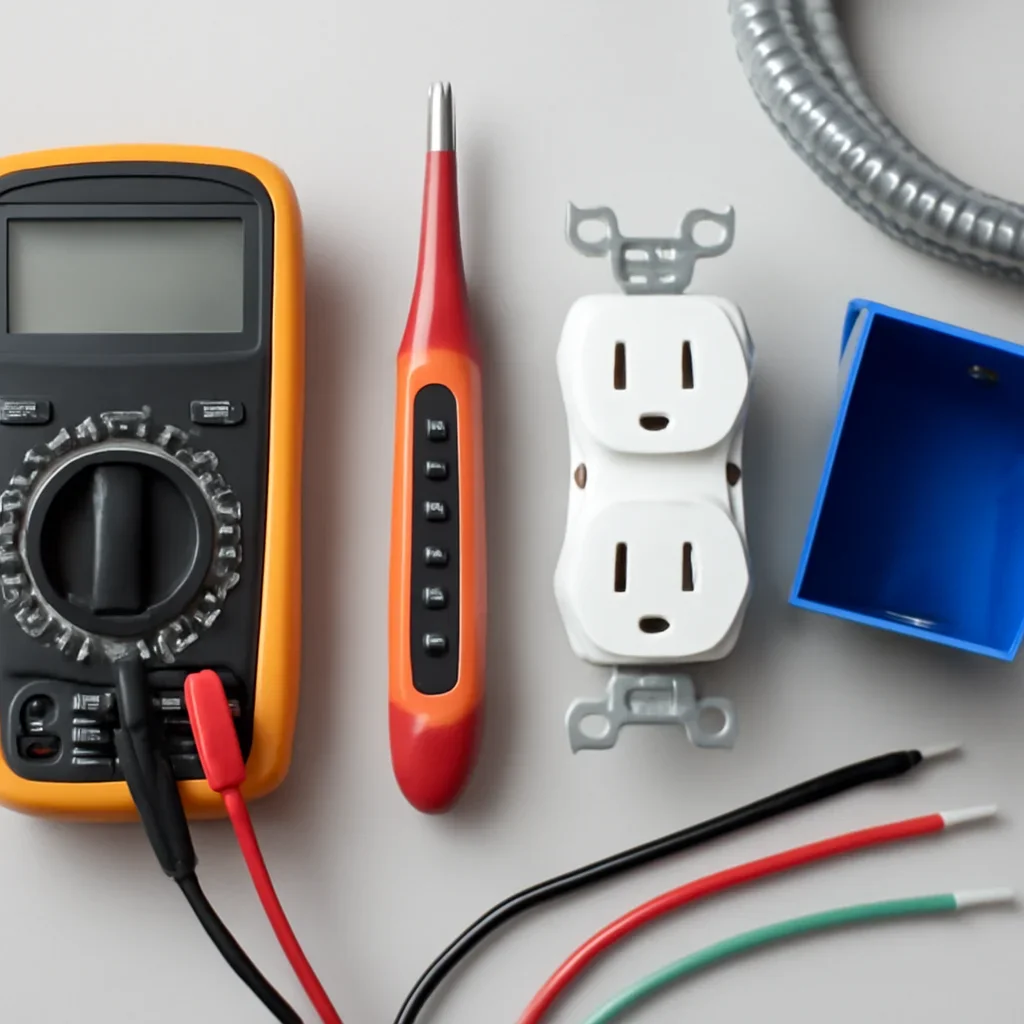
Defining limitations is part of a trustworthy inspection. A focused electrical assessment can provide meaningful evidence without pretending that every concealed conductor or past alteration can be verified during one visit.
| The review can help with | The review may not establish |
|---|---|
| Visible panel, service, device and wiring conditions included in the agreed scope | The condition of all wiring concealed behind walls, ceilings, insulation or inaccessible finishes |
| Observed safety concerns, damage, overheating indicators and repair priorities | That every past alteration was permitted or inspected unless supporting records are available |
| Apparent capacity concerns and questions to resolve before adding equipment or renovating | Final equipment suitability without model specifications, load information and any required utility or engineering review |
| Whether more focused troubleshooting, repair pricing or official permit follow-up is recommended | A complete building-condition opinion covering structure, plumbing, roofing, heating and other non-electrical systems |

TSASK is responsible for electrical permits, inspections and licensing in Saskatchewan. When electrical work was completed under a permit, the official inspection and approval process belongs to TSASK—not to a private contractor assessment.
Browse the complete electrical service directory when the inspection identifies repair or installation work outside the assessment scope.
Inspection requests can be reviewed for houses, condos, rentals, acreages, offices, stores, restaurants and managed properties in Regina and nearby communities. Share the address and property type so access, travel and the appropriate inspection scope can be confirmed.
Electrical assessments, repairs and project planning for owner-occupied homes, condos, garages, additions and residential renovations.
Reviews connected to tenant improvements, maintenance, equipment, recurring faults and electrical conditions in commercial or managed properties.
Check service coverage for Regina neighbourhoods and nearby communities before scheduling a property assessment.
Direct answers about pre-purchase reviews, official inspections, written findings, inspection limits, permits and urgent electrical concerns.
No. A contractor assessment is a private review of accessible electrical conditions for a property decision, safety concern or repair plan. TSASK administers official Saskatchewan electrical permits, inspections and licensing. Work completed under a permit follows the applicable TSASK inspection process.
No. A home inspection generally considers several building systems, while an electrician focuses on the electrical system and the agreed electrical questions. A general home inspector may recommend a separate electrician review when a condition needs specialized assessment.
A focused electrical review can be useful when the property is older, the panel or service raises questions, renovations are visible, electrical symptoms were reported, major equipment will be added or the general home inspection recommends specialist follow-up.
A standard assessment is primarily limited to accessible components and agreed testing. It cannot verify every concealed conductor or junction behind finished walls, ceilings or insulation. Further investigation may require access, targeted troubleshooting or opening finishes with the owner’s approval.
Confirm the required deliverable when booking. Depending on the scope, findings may be reviewed verbally, organized into a written summary or used to prepare a separate repair quote. Share any purchase, insurance, landlord or project documentation requirements before the appointment.
An electrician may identify visible alterations but cannot confirm permit history from appearance alone. Ask the owner for records, contact TSASK regarding electrical permit information and review City of Regina records when broader building permits or renovation history may be relevant.
Timing depends on the property size, number of panels or suites, access, requested testing, known concerns and whether the visit is a focused assessment or a broader review. Provide these details when requesting the appointment so the time can be planned realistically.
No. Age alone does not determine the recommendation. Panel condition, damage, available breaker space, service capacity, compatibility, past alterations and the property’s future loads should be considered before repair, replacement or capacity work is recommended.
Keep people away from smoke, active sparking, exposed energized parts, severe overheating or damaged electrical equipment. Do not continue resetting a breaker that repeatedly trips. Call 639-710-0400 and contact emergency services when there is an immediate fire or life-safety risk.
Share the property address, building type, reason for the review, known symptoms or renovations, access details and your deadline. Explain whether you need verbal guidance, written findings or a repair quote so the most useful scope can be discussed before the appointment.