Smoke, heat, sparking, or exposed wiring
Stop using the affected equipment and keep people away. If there is active fire or immediate danger, leave the area and call emergency services. For urgent electrical assistance, call 639-710-0400.

Breakers that keep tripping, lights that flicker, dead outlets, buzzing devices, and partial power loss are symptoms—not diagnoses. Electrician Regina traces the problem, explains what is happening, and recommends a practical repair path for homes, rentals, businesses, and managed properties.

Electrical troubleshooting is the process of narrowing down where a fault starts and why it is happening. A licensed electrician may review the panel, affected circuit, wiring, connections, switches, receptacles, fixtures, and connected equipment before deciding whether the issue needs a repair, replacement, dedicated circuit, panel work, or further testing.
A quick description of what is happening helps route the request correctly and reduces delays when the electrician arrives.
Stop using the affected equipment and keep people away. If there is active fire or immediate danger, leave the area and call emergency services. For urgent electrical assistance, call 639-710-0400.
Repeated breaker trips, dead outlets, flickering lights, buzzing devices, and intermittent power usually require on-site fault finding rather than guessing which part should be replaced.
A neighbourhood-wide outage may be on the utility side. Check whether nearby properties and streetlights are affected before assuming the fault is inside your home or business.
The same symptom can come from a loose connection, damaged device, overloaded circuit, failing breaker, wiring fault, or connected appliance. Testing helps separate the cause from the visible symptom.
Check for circuit overload, damaged wiring, faulty equipment, loose connections, or a breaker that is no longer operating normally.
Review whether the problem follows one fixture, one circuit, large equipment starting, or a broader connection or service concern.
Trace loss of power through the affected device, upstream connections, GFCI protection, circuit wiring, and the electrical panel.
Investigate why one area, circuit, or group of devices has lost power while the rest of the property continues operating.
Inspect signs of heat, loose terminations, arcing, damaged components, or connections that may require immediate attention.
Review electrical problems involving appliances, heaters, exterior loads, hot tubs, pumps, commercial equipment, or other dedicated connections.
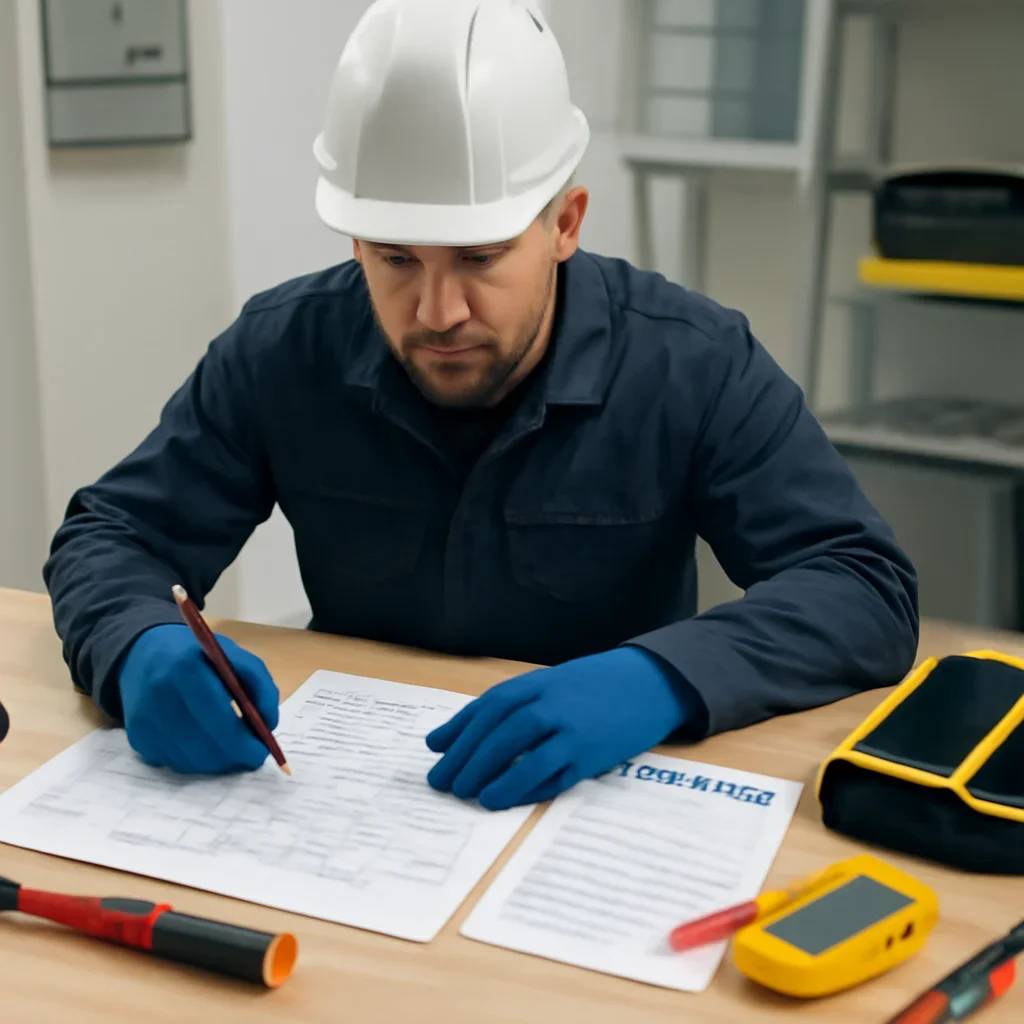
The fault may be at the device, an upstream connection, a tripped GFCI, damaged wiring, a junction point, the breaker, or equipment connected to the same circuit. Replacing the visible part without testing can leave the real problem unresolved.
Do not repeatedly reset a breaker when it trips again immediately, or continue using a device that smells burnt, feels unusually hot, buzzes, or sparks.
Regina service calls range from older houses with several generations of alterations to newer homes and commercial spaces carrying more modern electrical loads.
In established areas such as Cathedral, Lakeview, Rosemont, and Albert Park, troubleshooting may involve older devices, additions, basement work, mixed renovation eras, or circuits that have been changed over time.
In Harbour Landing, Greens on Gardiner, Wascana View, and other growing areas, faults may appear after adding basement spaces, EV charging, workshop equipment, hot tubs, or other higher-demand loads.
Block heaters, portable heaters, exterior receptacles, garage circuits, and seasonal equipment can expose weak connections or overloaded circuits during Regina’s colder months.
Offices, retail spaces, restaurants, rentals, and managed buildings may require troubleshooting around operating hours, tenant access, equipment, shared panels, and the need to limit disruption.
Good fault finding starts with a clear symptom history and ends with an explanation of what was found—not a list of parts replaced by guesswork.
Share what lost power, when it started, whether it is constant or intermittent, and whether there is heat, noise, smell, sparking, or a recently added device.
The electrician reviews the panel, affected circuit, devices, accessible connections, and connected equipment to isolate the likely source.
You receive a practical explanation of the cause, immediate safety concerns, available repair options, and any related work that should be planned.
Approved work is completed and tested as appropriate. The affected circuit or equipment is checked before the service call is closed.
You do not need to diagnose the problem yourself. A few practical details can help determine urgency and prepare for the visit.
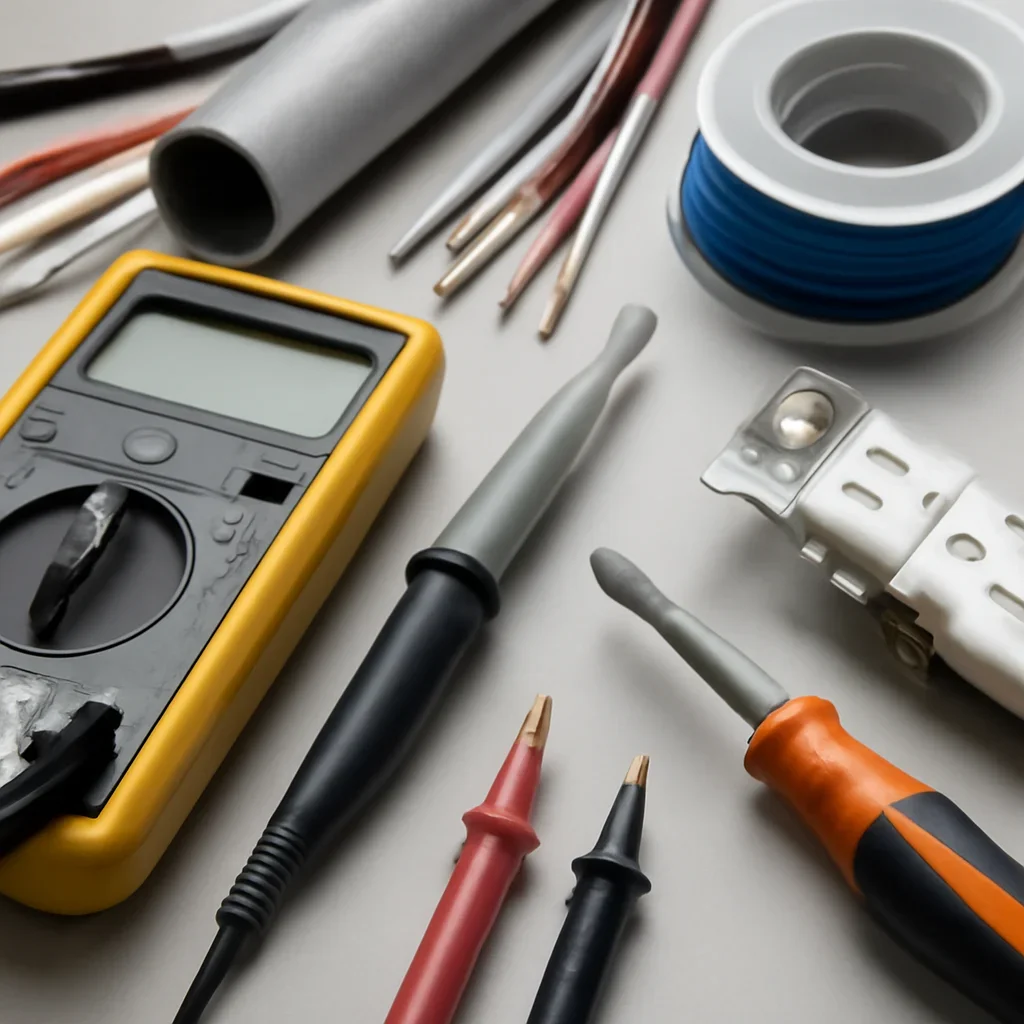
Electrical symptoms can be misleading. A professional review helps protect the property, avoid unnecessary replacement, and define the right next step.
Troubleshooting is handled by licensed electrical workers using a safety-first, code-conscious approach.
The process starts with what is actually happening at the property instead of assuming every breaker, outlet, or light problem has the same cause.
Support is available for homes, rentals, offices, stores, restaurants, managed properties, and other Regina electrical systems.
Findings and proposed work are explained before approved repairs or replacements begin.
When the fault points to capacity, panel condition, or broader wiring concerns, the next planning step is identified clearly.
Electrical troubleshooting is available across Regina and nearby communities, subject to scheduling and the urgency of the request.

Some faults are isolated. Others reveal a panel, wiring, maintenance, or equipment issue that needs a broader scope.
Direct answers about breaker trips, flickering lights, service calls, estimates, and urgent electrical symptoms in Regina.
Troubleshooting usually starts with a specific symptom, such as a dead outlet, tripping breaker, flickering light, or partial outage. An electrical inspection is broader and reviews the visible condition of a larger part of the system. A troubleshooting visit may lead to an inspection recommendation when the issue appears widespread.
A breaker may trip because of an overloaded circuit, connected equipment, damaged wiring, a loose connection, a short circuit, a ground fault, or a problem with the breaker itself. Because several causes can create the same symptom, repeated trips should be tested rather than handled by repeatedly resetting the breaker.
A brief change can be related to equipment starting, but recurring or noticeable flickering may also point to a loose connection, circuit-load issue, shared circuit, device problem, or broader service concern. Note which lights and equipment are involved so the pattern can be assessed.
Yes. Intermittent faults can be more difficult to reproduce, so details matter. Record when the symptom happens, what equipment is operating, whether weather or temperature seems related, and which rooms or circuits are affected. Photos or a short video may help when it is safe to capture them.
The service-call approach can be discussed in advance, but the final repair scope may not be clear until the fault is located. After assessment, the electrician can explain the findings and the proposed repair before additional approved work proceeds.
Treat smoke, burning smells, sparking, exposed conductors, overheated devices, visible damage, or a breaker that trips immediately as urgent. Stop using the affected equipment, stay away from unsafe areas, and call 639-710-0400. If there is active fire or immediate danger, leave the area and call emergency services.
Tell us what is losing power, tripping, flickering, buzzing, heating up, or behaving differently. Include the property type, location, timing, and photos when safe. The details help identify the most useful next step.