Heating and property protection
Heating controls, selected pumps, sump systems, freeze protection, and other equipment may be important during extended winter outages.

Plan backup power around the circuits that matter, the way the property is used, and the outage conditions you want to prepare for. Electrician Regina reviews essential loads, generator capacity, transfer equipment, panel layout, placement, fuel coordination, permits, and safe separation from utility power before recommending a system.

Generator sizing begins with the loads the system must support, not the total number of circuits in the building. Heating equipment, pumps, refrigeration, lighting, communications, security, office systems, shop equipment, and other motors can have different running and starting requirements. The transfer method, fuel source, expected outage duration, and whether loads can be managed also affect the practical generator size.

Emerald Park is within the RM of Edenwold beside White City and east of Regina. The area includes residences, larger lots, commercial buildings, restaurants, shops, warehouses, agricultural-support businesses, and nearby rural properties.
A home may prioritize heating controls, refrigeration, lighting, a sump or well pump, and communications. A restaurant may need refrigeration and selected operating circuits. A shop or rural property may need pumps, controls, doors, security, or specific equipment. Defining those priorities early helps avoid buying a generator that is too small, unnecessarily large, or unable to support the loads that matter.
Review the main generator installation service, related transfer switch installation, or the Emerald Park electrical service area.
Backup power is easier to size when circuits are grouped by safety, property protection, basic comfort, business continuity, and optional loads.
Heating controls, selected pumps, sump systems, freeze protection, and other equipment may be important during extended winter outages.
Residential refrigerators, freezers, restaurant refrigeration, and temperature-sensitive inventory should be identified by actual load.
Selected lighting, internet equipment, charging, alarms, access control, cameras, and communications can support safe basic operation.
Well pumps, pressure systems, septic controls, drainage pumps, livestock support, and rural equipment may require careful starting-load review.
Point-of-sale systems, selected office circuits, network equipment, essential lighting, doors, and critical process controls may be prioritized.
Cooking equipment, full-building air conditioning, large heaters, vehicle charging, and heavy machinery can significantly change generator size.
The right approach depends on outage frequency, load priorities, budget, setup expectations, fuel, property use, and whether someone will be present to start and connect the system.
A properly planned inlet and manual transfer arrangement can support selected circuits when a person is available to position, start, connect, and monitor the generator safely.
A permanently installed generator can be paired with transfer equipment that supports a defined group of essential circuits rather than every load in the property.
Automatic systems can detect a utility outage and transfer approved loads. Larger loads may still be managed or excluded to keep the system practical.
Never connect a generator directly to building wiring without approved transfer equipment. Safe transfer equipment prevents the generator and utility supply from energizing the same wiring at the same time.
A useful assessment considers the complete backup-power path, from the generator and fuel source to the transfer equipment, distribution, selected loads, operating clearances, and safe outdoor location.
Combustion generators must remain outdoors and away from occupied openings. Never operate one inside a home, garage, attached structure, or other enclosed space.
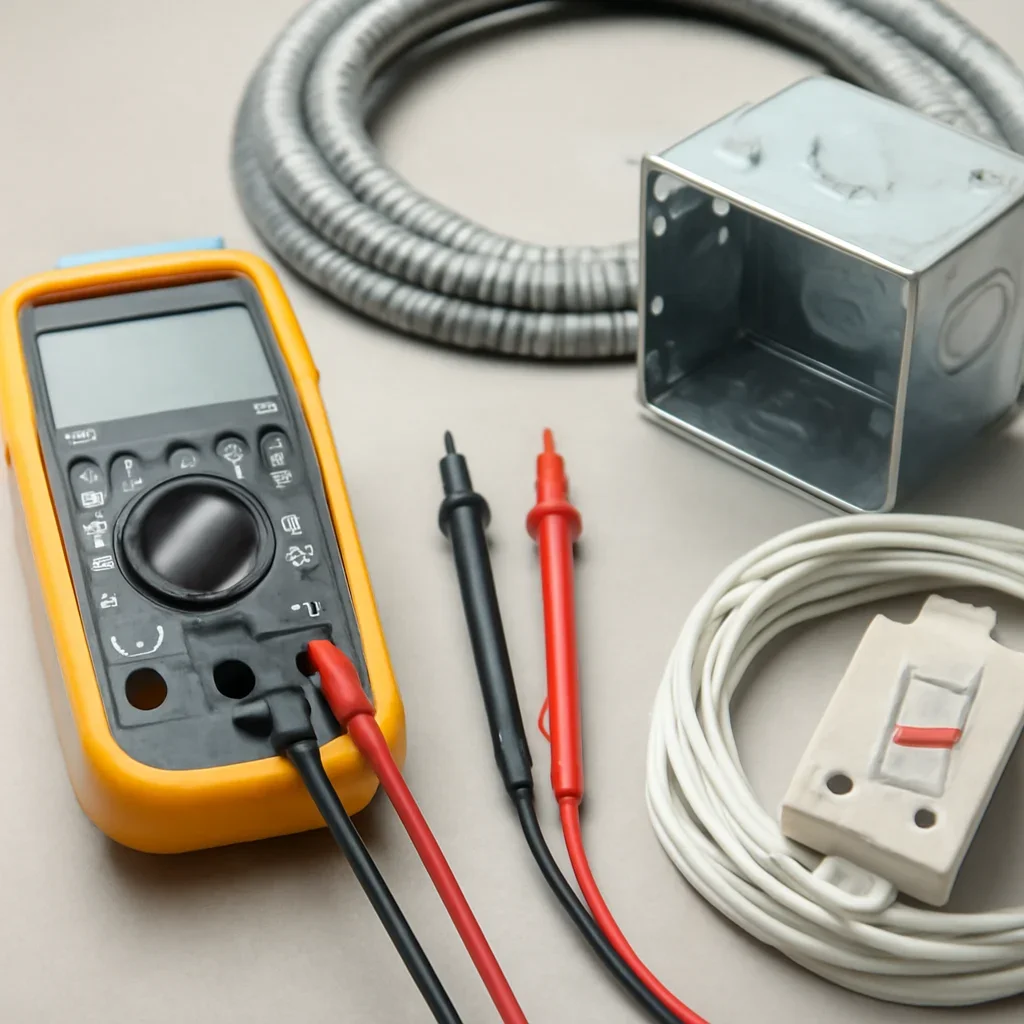
Motors and compressors may need more power when starting than while running. Load sequencing and management can sometimes reduce the required generator size without giving up the circuits that matter.
Pumps, refrigeration, furnaces, compressors, shop equipment, and some commercial loads can create short starting demands that need to be included.
Some systems can be arranged so large loads do not start together. This may allow a more practical generator while still supporting priority circuits.
Electric heating, large air conditioning, EV charging, electric ranges, hot tubs, and heavy machinery may substantially increase generator capacity.
Planned additions, a second pump, business equipment, a suite, or expanded operations should be discussed before selecting the generator and transfer gear.
A panel or service review may be needed when backup-power planning reveals limited distribution space, damaged equipment, or broader capacity concerns. Review electrical panel upgrades when the project includes panel or service changes.
The project should be planned before equipment is ordered so the generator, transfer method, electrical scope, fuel work, placement, and approvals can be coordinated together.
Share the Emerald Park address, property type, outage concerns, essential equipment, preferred level of automation, and expected future changes.
Review circuits, equipment nameplates, starting loads, panel layout, generator location, access, routing, fuel coordination, and clearances.
Finalize generator capacity, transfer equipment, selected circuits, permit needs, municipal checks, fuel scope, materials, and scheduling.
Complete the approved electrical work, test transfer and selected loads as appropriate, label equipment, and review basic operating information.
Residential, commercial, shop, and rural properties often prioritize different loads and require different access, placement, and operating plans.
Home systems may prioritize heating controls, refrigeration, lighting, communications, pumps, and selected receptacles. Explore residential electrical services.
Businesses may prioritize refrigeration, networks, alarms, access control, selected lighting, point-of-sale systems, and essential operating equipment. Explore commercial electrical services.
Doors, ventilation controls, compressors, pumps, security, and selected machinery should be reviewed for starting demand and operating sequence.
Well systems, pumps, controls, detached buildings, long feeder routes, outdoor access, and fuel logistics may shape the backup-power design.
In Saskatchewan, the Technical Safety Authority of Saskatchewan administers electrical permits, inspections, and electrical contractor licensing. The exact electrical approval path depends on the system and related changes.
A permanent standby generator may also require coordination for fuel work, equipment clearances, outdoor placement, trenching, and site preparation. Depending on the installation, RM of Edenwold development or building requirements may need to be checked separately from the electrical permit.
Transfer equipment controls which source supplies the selected circuits and prevents an unsafe connection between generator power and utility power. Generator capacity alone does not create a complete building backup system.
Review generator transfer switch installation when comparing manual and automatic transfer approaches.
A system that sits unused for long periods still needs manufacturer-directed inspection, exercising, fuel-system care, battery checks, and periodic testing.
Keep the area accessible and clear. Watch for damage, corrosion, blocked openings, loose parts, leaks, warning indicators, or changes around the site.
Follow the equipment schedule for oil, filters, battery, coolant where applicable, firmware, exercise cycles, and qualified service.
Periodic testing helps confirm that the generator starts, the transfer equipment operates, and the selected loads behave as expected.
If an outage reveals heat, sparking, damaged wiring, repeated breaker trips, or another unsafe electrical condition, keep away from the affected equipment and review urgent electrical help.
Equipment price is only one part of the project. Transfer method, selected loads, electrical work, fuel work, routing, placement, and site preparation can significantly change the scope.
For a useful first review, provide panel photos, equipment nameplates, generator details when already selected, the proposed outdoor location, essential-load priorities, and photos of the route between the generator, transfer equipment, and panel.

Include the exact address, property type, essential equipment, electrical panel location, proposed generator area, fuel preference, and access details when requesting service.
Properties near White City, Great Plains Road, Highway 1 access, commercial districts, larger residential lots, and nearby rural roads can have different feeder distances, outdoor clearances, equipment priorities, and site conditions.
You can send the backup-power details or review the complete electrical service directory when the project also involves a panel, renovation, detached building, inspection, or other electrical work.
Clear answers about generator size, transfer switches, essential loads, whole-home systems, permits, placement, and quote preparation.
There is no single size for every home. The generator should be selected from the circuits that must operate, their running and starting loads, whether large loads can be excluded or managed, the transfer method, fuel source, and expected outage plan. A load review is more reliable than choosing only by house size.
A generator connected to building wiring needs approved transfer equipment that isolates generator power from utility power. The project may use a manual or automatic transfer arrangement depending on the generator, selected circuits, operating plan, and property.
No. Many systems are designed around selected essential loads. Supporting fewer priority circuits can reduce generator size, fuel use, transfer equipment, and project cost while still protecting the most important property functions.
It can be integrated only through an approved inlet and transfer or interlock arrangement designed for the installation. A generator must never be connected through improvised wiring or used to energize building circuits without safe utility isolation.
Placement depends on manufacturer clearances, ventilation, building openings, fuel requirements, service access, snow, drainage, noise, property layout, and applicable site rules. The location should be reviewed before equipment is purchased or a pad is prepared.
The Technical Safety Authority of Saskatchewan administers electrical permits, inspections, and electrical contractor licensing in the province. Additional fuel, building, development, or site requirements may apply depending on the generator and installation.
Provide the Emerald Park address, property type, essential-load list, panel photos, equipment nameplates for major pumps or motors, preferred generator type, proposed outdoor location, fuel preference, route photos, access details, and any future expansion plans.
Share the property address, circuits and equipment that must remain available, panel photos, proposed generator location, fuel preference, expected level of automation, and access details. The information can then be reviewed to identify a practical generator, transfer, and electrical scope.