Hardwired smoke alarms
Replacement or installation of alarms connected to the home’s electrical system, normally with battery backup where the selected device requires it.

Replace expired alarms, add hardwired or interconnected protection, and plan smoke and carbon monoxide alarm coverage around the actual layout of your house, rental, basement suite, renovation, or commercial property.
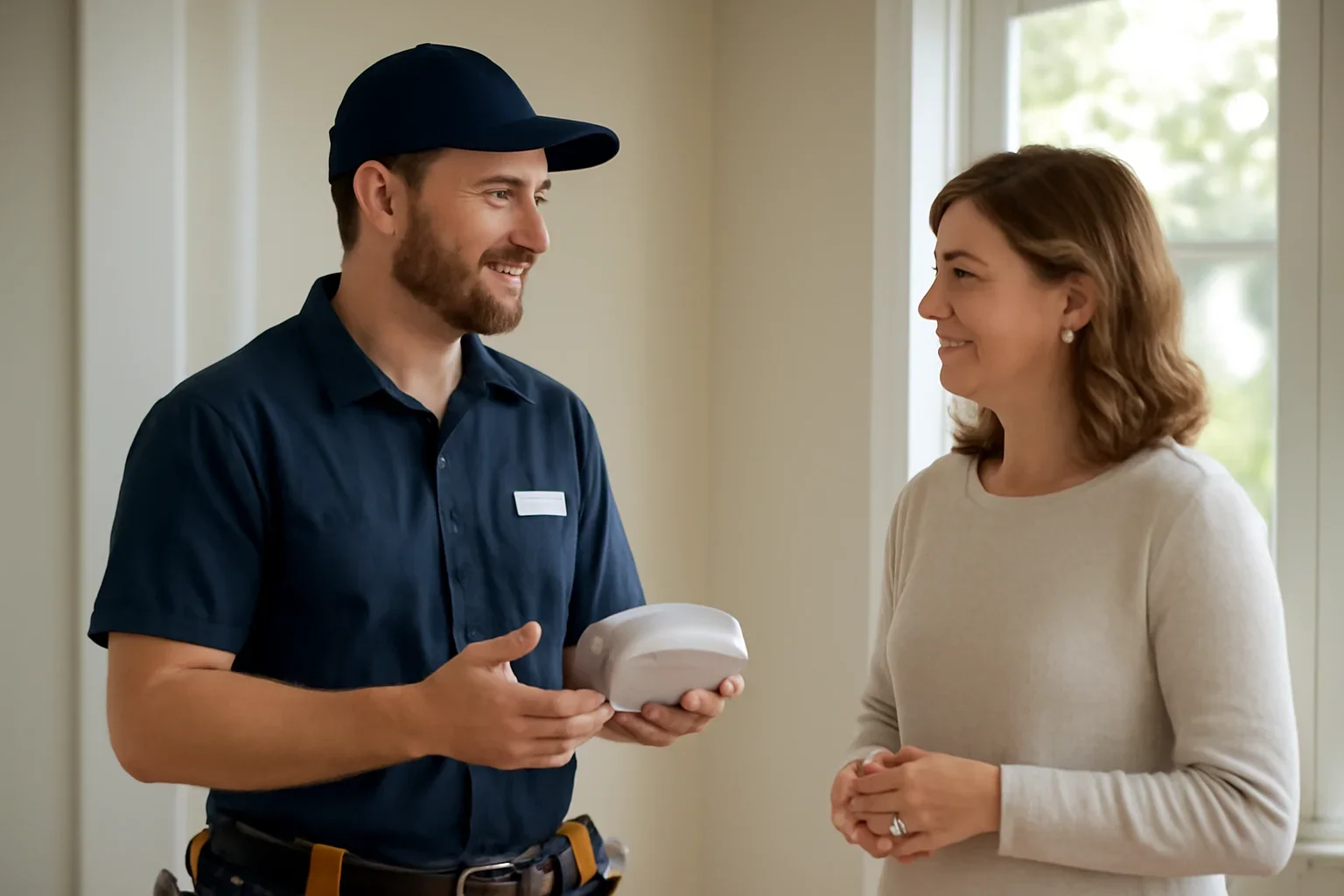
Yes. Saskatchewan requires working smoke alarms and carbon monoxide alarms, or approved combination devices, in residential buildings. The correct number, location, power source, and interconnection method depend on the building layout, sleeping areas, fuel-burning equipment, attached garages, renovations, and applicable requirements.
A single replacement is different from planning protection for a multi-level home, legal basement suite, rental property, renovation, or new build. The existing wiring and alarm locations should be reviewed before products are selected.
Replacement or installation of alarms connected to the home’s electrical system, normally with battery backup where the selected device requires it.
Alarms planned so that when one unit detects danger, the connected alarms sound throughout the property, helping occupants hear the warning on other levels.
Combined protection can be practical for Regina properties with furnaces, fireplaces, water heaters, boilers, attached garages, or other combustion sources.
Older, damaged, painted-over, unreliable, or end-of-life alarms can be replaced with compatible units selected for the existing system and property.
Alarm coverage can be reviewed for secondary suites, duplexes, apartments, rental homes, and other properties where separate sleeping areas need clear protection.
Alarm wiring and placement can be coordinated with a basement finish, addition, bedroom change, major renovation, or new-construction electrical scope.

Repeated chirping does not always mean the same thing. It may indicate a low battery, an expired alarm, loss of power, an incompatible replacement, a wiring issue, contamination, or a fault within an interconnected system.
If an alarm is actively sounding: Treat it as a real warning. Leave the building, move to fresh air, and call 911. Do not remove the battery or disconnect a hardwired alarm to silence a possible emergency.
Regina’s housing stock includes older character homes, post-war bungalows, split-level houses, newer multi-storey builds, basement suites, condos, and rental properties. Each layout creates different access, wiring, and audibility concerns.
Homes in established areas may have alarms added at different times, devices from different manufacturers, or limited access above finished ceilings.
Added bedrooms, separate living areas, utility rooms, and suite entrances can change where warning devices are needed and how occupants hear them.
Regina winters increase reliance on furnaces, boilers, fireplaces, and other fuel-burning equipment, making reliable carbon monoxide detection especially important.
Vehicle exhaust and combustion sources near living areas make alarm selection and placement an important part of the property review.
Landlords and property managers need a repeatable approach to alarm installation, access, testing records, replacement dates, and tenant turnover.
Opening ceilings or changing room use is an opportunity to correct missing wiring, improve interconnection, and coordinate alarm work with the wider project.
The best device is not simply the most expensive one. It must suit the building, the existing wiring, the required alarm locations, and the manufacturer’s installation instructions.
| Alarm type | Often useful for | What should be reviewed |
|---|---|---|
| Hardwired smoke alarm | Existing wired systems, renovations, replacements, and new construction. | Power, battery backup, connector compatibility, circuit condition, and interconnection. |
| Interconnected alarms | Multi-level homes, separated sleeping areas, larger layouts, and suites. | Whether all occupants can hear the warning and whether the devices communicate correctly. |
| Combination smoke and CO alarm | Properties requiring both forms of detection where a combined device suits the layout. | Approved location, alarm type, power source, expiry date, and manufacturer instructions. |
| Tamper-resistant battery alarm | Locations where a permitted battery device is appropriate and hardwiring is not required. | Device approval, service life, mounting location, testing access, and replacement schedule. |
Helpful distinction: Customers often search for “smoke detector installation,” while Saskatchewan building guidance generally uses the term “smoke alarm.” Both phrases refer to the service discussed on this page.
Before replacing or adding devices, the electrician should understand what is already installed, why the change is needed, and whether related electrical or building work affects the alarm plan.
Related support is available through our residential electrical services, electrical inspection service, and new-construction electrical service.
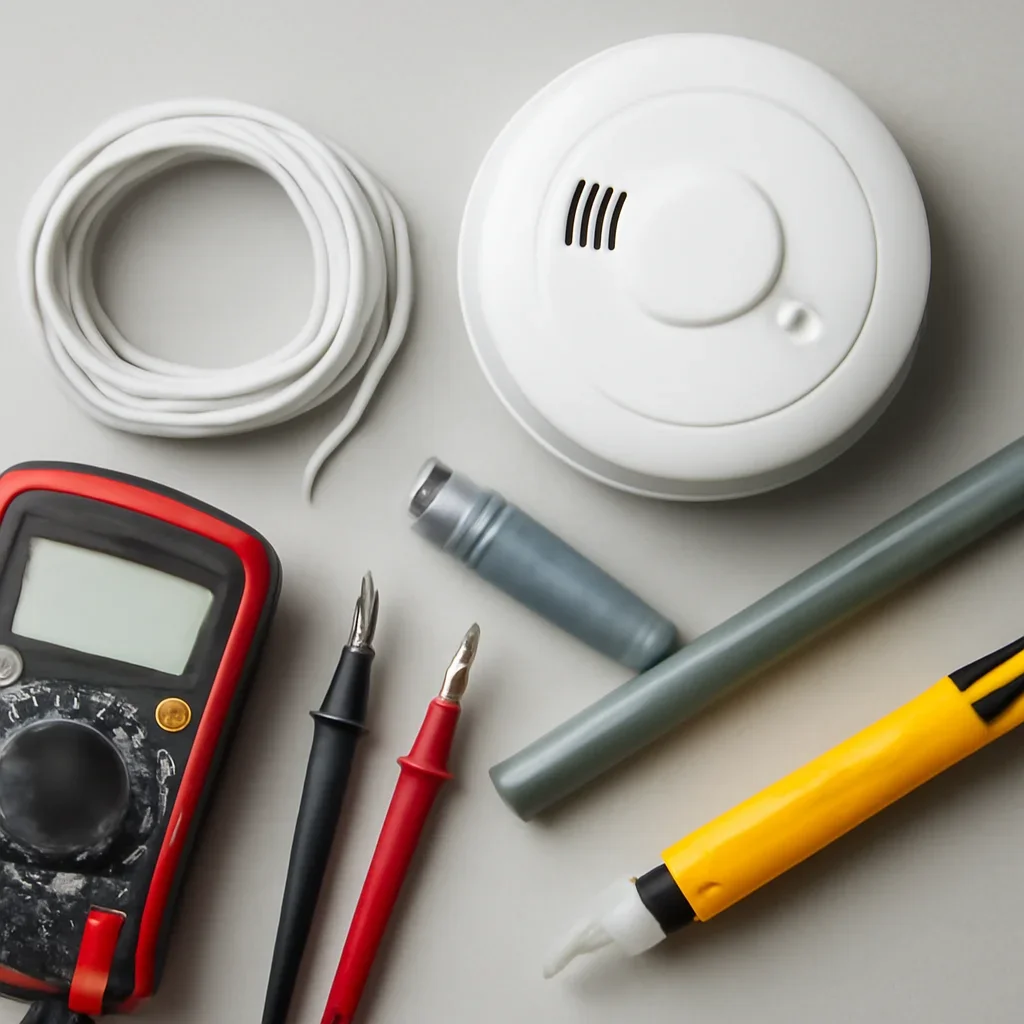
Good information at the start helps determine whether the request is a direct replacement, a troubleshooting visit, a renovation item, or a larger property-wide upgrade.
Explain the property type, number of levels, sleeping areas, current alarms, recent renovations, fuel-burning equipment, and the reason for the request.
The electrician reviews accessible wiring, device age, locations, compatibility, interconnection, and any signs of damage or previous alterations.
The proposed alarm types, locations, wiring work, access requirements, and related repairs are explained before the approved work begins.
Devices are installed and tested as appropriate, and the owner receives practical information about testing, maintenance, and future replacement.

A plug-in or battery alarm may be straightforward when it is permitted and installed according to its instructions. Hardwired replacements, new wiring, circuit changes, troubleshooting, and interconnected systems involve the building’s electrical system.
Learn more about the company’s approach on the Electrician Regina about page, or review the complete electrical service directory.
Service can be requested for homes, rentals, condos, basement suites, offices, managed properties, renovations, and new projects throughout Regina and nearby communities.
Review the complete Regina electrical service area for additional neighbourhood and nearby-community information.
Straightforward answers about hardwired alarms, carbon monoxide protection, replacement timing, rentals, renovations, and urgent alarm concerns.
The correct locations depend on the home’s levels, sleeping areas, layout, renovations, existing alarm system, and applicable requirements. Alarms must also be installed according to the manufacturer’s instructions. A property review is useful when rooms have been added, a basement has been finished, or the existing layout is unclear.
Saskatchewan residential buildings require smoke and carbon monoxide protection. Depending on the property and selected devices, this may be provided through separate alarms or approved combination alarms.
Not necessarily. The power connector, mounting base, interconnection method, model compatibility, and manufacturer requirements should be checked first. Mixing devices without confirming compatibility can create unreliable operation.
Possible causes include an expired alarm, an incorrectly installed battery, loss of hardwired power, a device fault, dust or contamination, an incompatible replacement, or a problem elsewhere in an interconnected system.
Replace an alarm at the end of the service life stated by its manufacturer, when it reaches its marked expiry date, when it fails a proper test, or when its age is unknown. Different products can have different replacement cycles.
Yes. The review can account for separate sleeping areas, utility spaces, multiple levels, tenant access, existing wiring, device interconnection, and the need for a clear testing and replacement plan.
Yes. When ceilings or walls are already accessible, it may be easier to add or correct wiring, improve alarm interconnection, and coordinate the work with bedroom, basement, addition, or electrical changes.
Leave the property and call 911 from a safe location. Do not assume it is a false alarm, and do not disconnect or remove the alarm to silence it. For a non-active electrical concern after the area is safe, contact the emergency electrician service.
Share the property type, number of levels, existing alarm count, whether the alarms are hardwired, any recent renovations, and what prompted the request. Photos of the current units and their date labels can help define the next step.