The work reaches permanent wiring
This includes connecting or replacing outlets, switches, hardwired light fixtures, ceiling fans, breakers, panels, dedicated circuits, disconnects, and permanently connected appliances.

A handyman can be a good fit for general repairs, mounting, patching, and finish work. When a project involves permanent wiring, outlets, switches, panels, breakers, new circuits, hardwired equipment, troubleshooting, or electrical permits, start with a qualified electrical contractor.
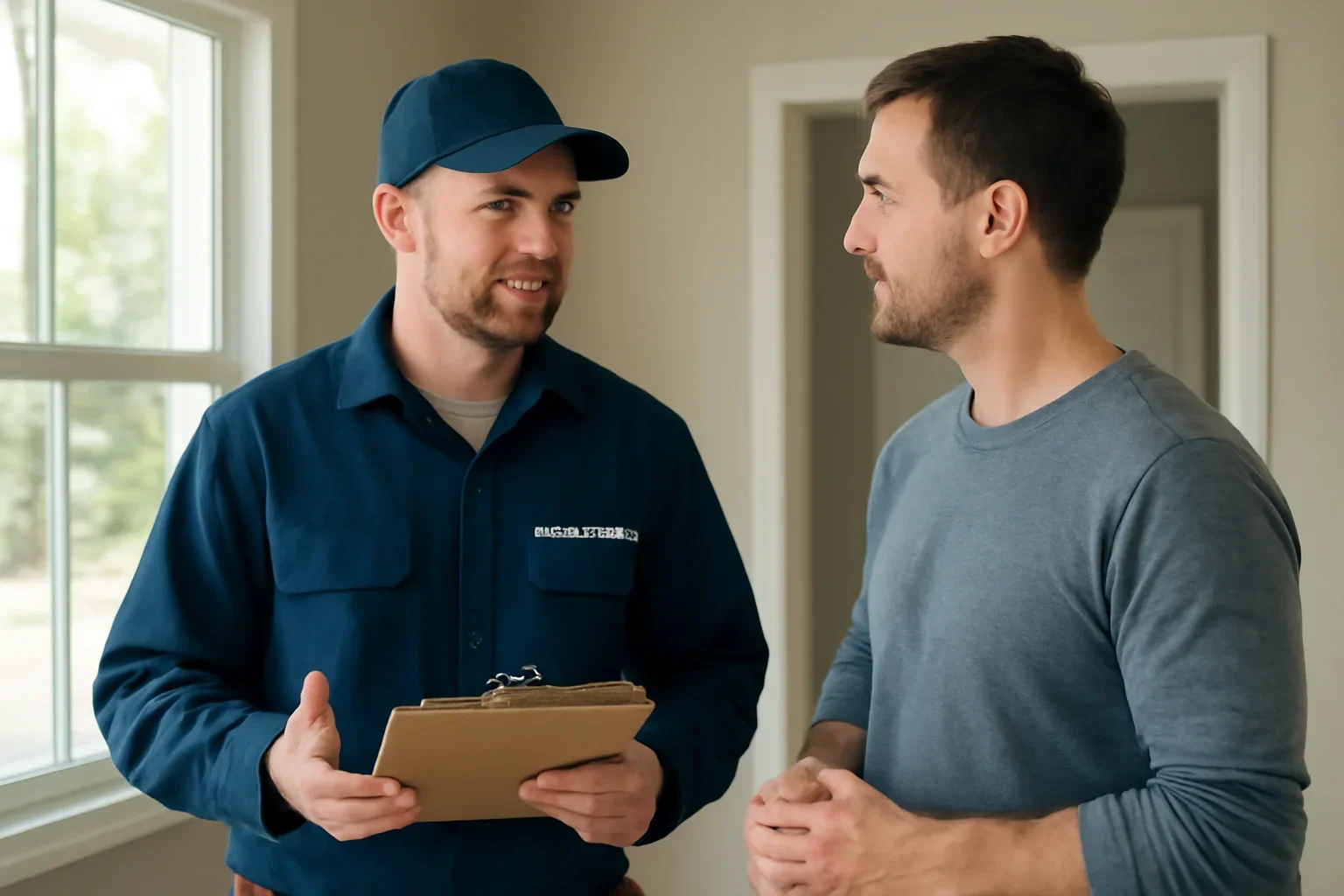
Hire a general handyman for non-electrical repair and finish work. Hire an electrical contractor when the task changes, extends, repairs, connects, or tests an electrical installation. In Saskatchewan, electrical installation work is permit-controlled. The title “handyman” by itself does not authorize someone to perform regulated electrical work; a person may only do that work when they hold or work under the appropriate Saskatchewan electrical licence and permit authority.
Job size is not the deciding factor. A five-minute wiring change can carry more risk and regulatory responsibility than several hours of cosmetic repair work.
This includes connecting or replacing outlets, switches, hardwired light fixtures, ceiling fans, breakers, panels, dedicated circuits, disconnects, and permanently connected appliances.
Flickering lights, repeated breaker trips, partial power loss, heat, buzzing, sparking, damaged wiring, or a burning smell require electrical troubleshooting rather than trial-and-error replacement.
Mounting a shelf, patching drywall, painting, installing trim, repairing a door, or assembling non-electrical equipment can fall within general handyman work when no wiring or electrical connection is involved.
A renovation may need an electrician for wiring and a handyman or other trade for drywall, finishing, cabinetry, blocking, or surface repairs. Define who is responsible for each part before work begins.
This comparison assumes the handyman is not separately licensed as an electrical contractor or journeyperson. Always confirm the person’s actual credentials instead of relying on a business title.
| Factor | Electrical contractor | General handyman |
|---|---|---|
| Best use | Electrical installation, repair, alteration, testing, troubleshooting, panels, circuits, and hardwired equipment. | General maintenance, mounting, patching, painting, trim, minor carpentry, and non-electrical finish work. |
| Electrical authority | Works within the scope of the applicable Saskatchewan electrical licence and contractor permit. | The handyman title alone provides no authority to perform electrical installation work. |
| Permits | Can determine the electrical permit pathway and, when hired as the contractor, is responsible for the contractor permit. | Should not offer to bypass, borrow, or work under someone else’s permit without proper authorization. |
| Diagnosis | Can test circuits, trace faults, assess panels, verify connections, and determine whether the problem is local or system-wide. | May identify visible non-electrical damage but should not diagnose concealed or energized electrical faults. |
| Project handoff | Handles the regulated electrical scope and explains any opening, access, or finishing work another trade may need to complete. | Can complete approved non-electrical finishing after the electrical work is safely completed. |
| Good question to ask | “Will this work require an electrical permit, and can I receive a copy?” | “Does your scope stop before any electrical wiring or connection?” |

Replacing one outlet, moving one switch, connecting one ceiling fan, or adding one receptacle may sound minor. The work still affects a branch circuit and may involve grounding, box fill, conductor condition, protection requirements, compatibility, or a fault elsewhere in the system.
Do not treat warning signs as handyman work. Stop using equipment that is sparking, smoking, overheating, or producing a burning smell. Stay away from exposed wiring. For an active fire, call emergency services first; for urgent electrical help, use our emergency electrician Regina service.
Clear boundaries protect the property owner and help both professionals price the work accurately.
Some people hold more than one trade qualification. A contractor advertising handyman services may also hold an electrical licence. Ask which licence and permit authority applies to the electrical portion of your specific project.
The same visible symptom can have a very different cause in an older home, newer subdivision, detached garage, basement suite, restaurant, office, or rental property.
Homes in areas such as Cathedral, Lakeview, Heritage, Rosemont, and North Central may have older electrical equipment or layers of past renovation. Before replacing a device, it can be important to understand the existing wiring and panel condition.
Basement development, suites, workshops, and home offices can add circuits, heating loads, smoke-alarm requirements, and panel demand. These are not simply wall-finishing projects once wiring changes are involved.
Garages and shops in Regina, White City, Emerald Park, and nearby communities may need feeders, subpanels, trenching, lighting, heaters, tools, or EV charging. The electrical design should be established before interior finishing begins.
Properties in Harbour Landing, Greens on Gardiner, Eastbrook, and other newer areas may still need load planning for EV charging, hot tubs, air-conditioning, basement development, or additional appliances.
Rental houses, condos, apartments, and managed buildings have different permit and responsibility considerations than owner-occupied single-family homes. Do not assume a homeowner permit is available.
Offices, restaurants, retail units, warehouses, and tenant improvements often involve three-phase systems, emergency lighting, equipment circuits, occupancy requirements, and coordination around business operations.
TSASK requires an electrical permit for electrical installation work in a home, farm, or place of business. A homeowner may qualify to complete certain work personally in an eligible owner-occupied single-family dwelling, but that does not authorize an unrelated hired handyman to perform the work.
When you hire an electrical contractor, the contractor is responsible for the applicable contractor permit. Property owners can ask for a copy of the permit. Some projects—including EV chargers, generators, battery storage, renewable-energy systems, certain services, and work outside homeowner permit limits—require a licensed Saskatchewan electrical contractor.
For a system-level review, visit electrical inspections in Regina. For capacity concerns, see electrical panel upgrades.
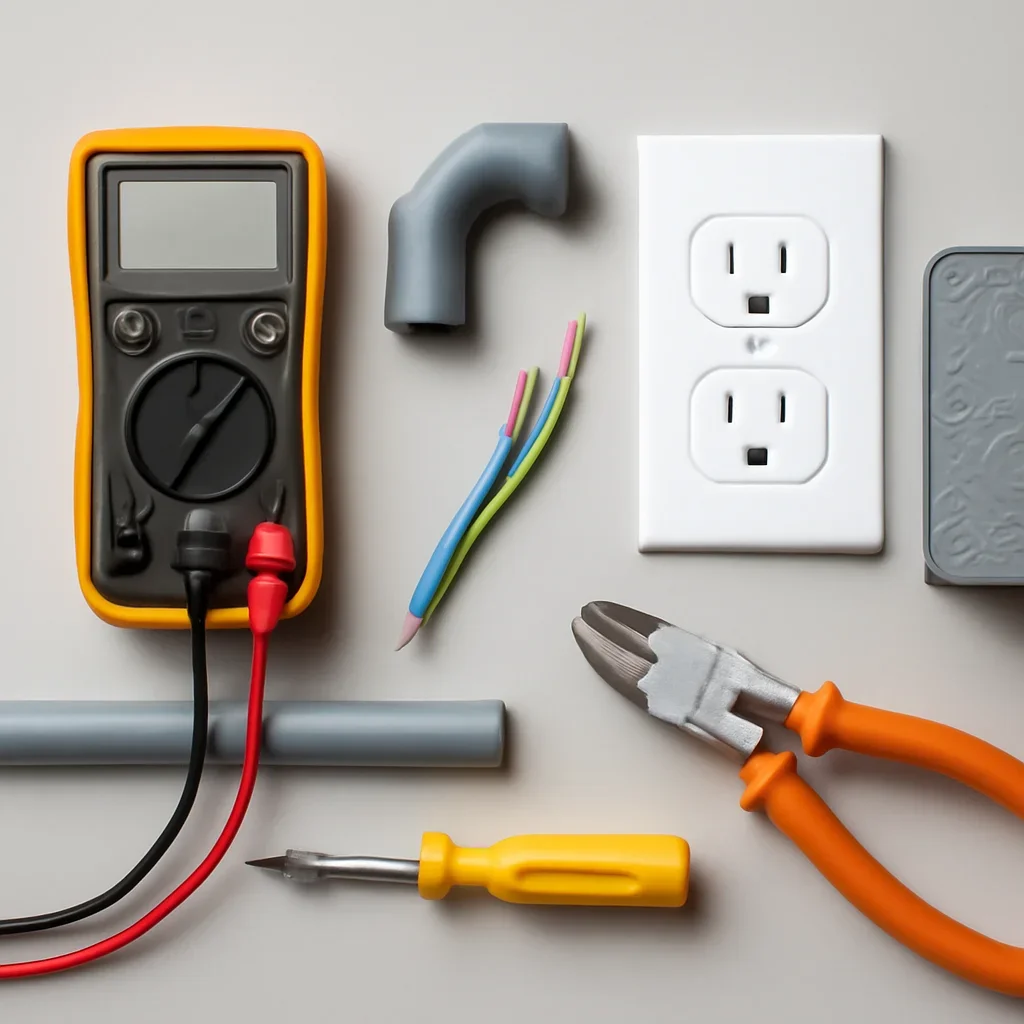
You do not need to diagnose the problem before contacting an electrician. Clear photos and a simple description can help determine whether the request is electrical, non-electrical, or a project requiring more than one trade.
Explain what you want changed, what is not working, when the problem started, the property type, and whether there is heat, noise, odour, sparking, or repeated tripping.
Include the device, surrounding wall or ceiling, breaker panel, equipment label, and work area when it is safe to do so. Never remove a panel cover or touch exposed wiring for a photo.
The relevant circuit, wiring, panel capacity, device, access needs, and permit pathway can be reviewed before approved work begins.
When drywall, paint, trim, cabinetry, or other repairs are needed, the finishing scope can be scheduled after the electrical work and required access are complete.
A low quote is not useful when it excludes the permit, troubleshooting, safe access, testing, wall repair, or the actual cause of the problem. Compare written scopes rather than comparing one total number.
Electrician Regina provides residential electrical service and commercial electrical support across Regina. Use the questions beside this section when requesting any electrical quote.
Electrical assessments, repairs, installations, and upgrade planning are available throughout Regina and the surrounding service area.
Explore the complete electrical service directory or review all Regina electrical service areas.
Straight answers about outlets, fixtures, homeowner permits, troubleshooting, rental properties, and coordinating electrical and finishing work.
Replacing an outlet is electrical installation work, even when the device appears simple. The handyman title alone does not authorize electrical work in Saskatchewan. Hire an appropriately licensed electrical contractor, or confirm whether you personally qualify for and will perform the work under an eligible homeowner permit.
A handyman can help with non-electrical preparation or finishing, but the wiring connection, support requirements, switching, circuit condition, and electrical installation should be handled through the proper electrical permit and licensing pathway.
Some owners of eligible single-family homes may apply for a Saskatchewan homeowner electrical wiring permit and perform qualifying work personally. Restrictions apply based on property use, system size, voltage, project type, and who performs the work. Rental properties and several specialized installations are not eligible for the standard homeowner pathway.
TSASK states that an electrical permit is required for electrical installation work. The exact permit category depends on the property and project. Ask the electrical contractor to explain the permit required for your scope and provide a copy.
Call an electrician. These symptoms can be caused by a loose connection, overloaded circuit, damaged wiring, failing device, equipment problem, or panel issue. Replacing the visible switch or fixture without testing may leave the actual fault unresolved.
Yes. This is a practical way to divide the project. The electrician can complete and test the wiring, while a handyman, drywaller, painter, or carpenter completes the non-electrical restoration after access is no longer required.
Do not assume so. Saskatchewan’s homeowner permit pathway excludes properties used for rental purposes. Electrical work in rental, condo, apartment, commercial, and managed properties should be reviewed through the appropriate licensed contractor and permit process.
Ask the electrical contractor for a copy of the permit for work performed at your property. Keep the permit with your quote, invoice, inspection information, and equipment documents for future renovations, insurance, maintenance, or property-sale records.
Share the property type, location, photos, symptoms, and the change you want to make. Electrician Regina can review whether the request involves electrical troubleshooting, installation, permitting, or coordination with a handyman or finishing trade.