Loose, cracked, warm, or unreliable outlet
A plug that falls out, intermittent power, heat, discolouration, noise, or visible damage should be assessed rather than covered with a new faceplate.

Add, replace, relocate, or troubleshoot receptacles and switches around how the room is actually used. Electrician Regina reviews the device, circuit, wiring condition, protection requirements, wall access, connected load, and finished surfaces before recommending a repair, direct replacement, new location, smart control, dimmer, or additional circuit.

Sometimes. A direct replacement may be appropriate when the box, wiring, circuit, grounding arrangement, protection, and connected load are suitable. When a device is hot, loose, damaged, repeatedly trips protection, has discoloured wiring, or is being moved to a new location, the electrician may need to diagnose the circuit or complete additional wiring rather than only changing the visible device.

Emerald Park is part of the RM of Edenwold and includes established residential subdivisions, larger homes and lots, commercial properties, shops, offices, and nearby rural sites. Outlet and switch work can range from replacing one worn device to coordinating an entire renovation.
In finished homes, access matters. The practical route may involve a basement ceiling, attic, crawlspace, garage, utility room, cabinet, or an adjacent unfinished area. In kitchens, offices, workshops, and commercial spaces, device placement also needs to reflect equipment, counters, furniture, shelving, traffic flow, and future use.
Review the complete electrical service directory, all service areas, or the Emerald Park electrical service area.
The visible device may be the concern, but the service should also consider the box, conductors, circuit, connected load, protection, and the condition found behind the cover plate.
A plug that falls out, intermittent power, heat, discolouration, noise, or visible damage should be assessed rather than covered with a new faceplate.
Add power near desks, televisions, nightstands, counters, workshop benches, garage equipment, cleaning areas, or other locations where cords are overused.
Improve how lighting is controlled from room entrances, hallways, stairs, bedrooms, kitchens, exterior doors, and open-concept spaces.
Kitchens, bathrooms, garages, basements, outdoor areas, and other locations may require specific protection depending on the circuit, location, and scope.
Device compatibility depends on the lighting load, wiring at the box, control method, network needs, and the manufacturer’s installation requirements.
Outdoor devices need suitable enclosures, covers, wiring methods, protection, mounting, drainage awareness, and a location that remains usable in winter.
Clear scope prevents a simple request for “one more outlet” from overlooking circuit capacity, wall access, protection, or equipment requirements.
Appropriate when a device, connection, box, control, or circuit is not working correctly. The cause is identified before deciding which component should be repaired or replaced.
Replaces a worn, damaged, outdated, or unwanted device when the existing box, wiring, circuit, and protection remain suitable for the new device.
Required when the device is being added where no suitable wiring exists, the connected equipment needs its own circuit, or the existing circuit cannot support the proposed use.
A useful assessment starts with what the outlet or switch is expected to control or supply, then checks whether the existing electrical path is suitable.
Stop using a device that is hot, smoking, sparking, cracked, water-damaged, or producing a burning smell. Keep people away from the affected area and request urgent electrical help.
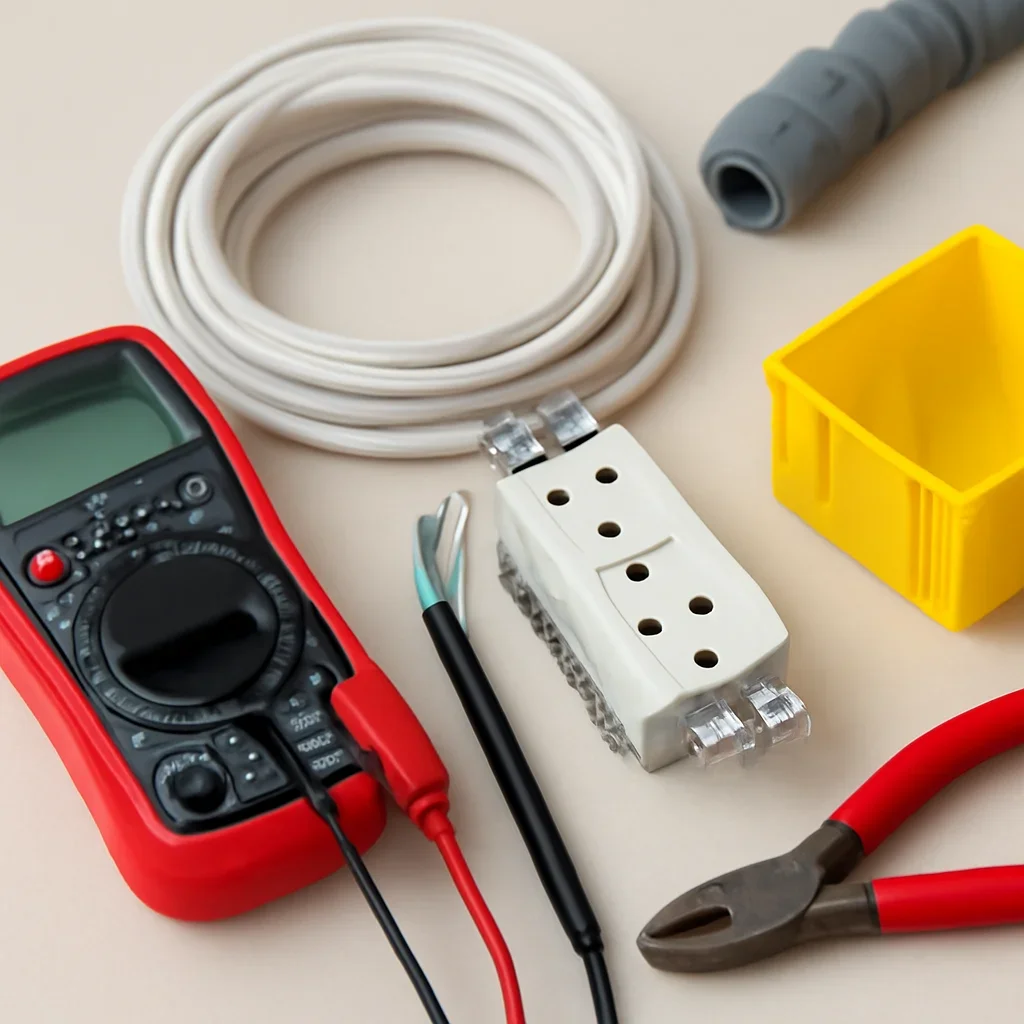
Good placement reduces extension-cord use, avoids blocked switches, and keeps power close to the equipment and furniture that actually use it.
Coordinate counters, islands, appliance garages, under-cabinet lighting, dining furniture, small appliances, ventilation, cabinetry, and final appliance locations. Review home renovation wiring when devices are part of a larger remodel.
Plan around bed placement, lamps, televisions, sound equipment, charging, furniture, floor plans, window coverings, feature walls, and lighting controls.
Desks, monitors, printers, network equipment, task lighting, chargers, and backup-power devices can require more intentional receptacle placement.
Tool loads, freezers, door equipment, heating, workbenches, chargers, pumps, and future equipment may need dedicated circuits rather than added devices on an existing general circuit.
Device type, placement, protection, ventilation controls, heated equipment, appliances, mirrors, cabinetry, and water exposure should be reviewed together.
Consider weather exposure, cover type, mounting, snow, drainage, landscape equipment, holiday lighting, patios, maintenance tools, and safe cable use.
A smart switch or dimmer is not automatically compatible with every fixture or existing switch box. Product and wiring details should be checked first.
The dimmer, LED driver, lamp, and fixture should be compatible to reduce flicker, limited dimming range, noise, or unreliable operation.
Some controls require specific conductors, hub or Wi-Fi access, device setup, or manufacturer-supported loads that may not exist at the current box.
Exterior lights, bathrooms, utility rooms, garages, hallways, and commercial areas may benefit from occupancy, vacancy, timer, or scheduled control.
Explore lighting installation when the project includes fixtures, layered lighting, dimming, exterior lighting, or a larger control plan.
Commercial requests should consider operating hours, equipment loads, public access, furniture plans, tenant improvements, maintenance access, and business disruption.
Coordinate desks, monitors, printers, network equipment, meeting rooms, reception areas, floor plans, and future layout changes.
Plan point-of-sale equipment, displays, cleaning, signage, lighting controls, security, accessibility, and protection from public damage.
Confirm voltage, amperage, dedicated-circuit needs, receptacle type, mounting, working clearance, equipment position, and operating sequence.
Review commercial electrical services when device work is part of maintenance, a tenant improvement, equipment installation, or a broader commercial project.
The first step is to clarify whether the request is a fault, a direct replacement, a relocation, an upgrade, or a new circuit.
Provide the Emerald Park address, property type, room, number of devices, symptoms or goal, photos, equipment information, and preferred timing.
Assess the device, box, wiring, circuit, load, protection, wall access, finished surfaces, compatibility, and practical routing.
Define repair, replacement, added wiring, device specifications, protection, access, permit or inspection needs, exclusions, and scheduling.
Complete the approved work, secure and test the devices as appropriate, confirm operation, and identify any remaining circuit or finish work.
In Saskatchewan, the Technical Safety Authority of Saskatchewan administers electrical permits, inspections, and electrical contractor licensing. The requirements for a direct device replacement may differ from adding circuits, relocating wiring, renovating rooms, or modifying a commercial installation.
When outlet or switch work is part of a larger renovation, addition, basement development, or structural project, separate RM of Edenwold development or building requirements may also need to be reviewed.
Adding a device to an existing circuit only creates another connection point. It does not increase the circuit rating or the electrical service available to the property.
Equipment with a substantial or continuous load may need a dedicated circuit, a load review, or broader panel planning rather than another general-use receptacle.
Stop using the affected device when there is heat, damage, smoke, sparking, water exposure, a burning smell, or a shock or tingling sensation.
Warm devices, dark marks, melted plastic, or a burning smell can indicate a poor connection, overload, damaged device, or wiring problem.
A plug that moves excessively, flickering controlled lights, crackling, or power that comes and goes should be assessed before continued use.
Do not touch wet electrical devices, exposed conductors, broken covers, or equipment that gives a shock or tingling sensation.
If there is smoke, active sparking, exposed energized wiring, or immediate danger, keep away from the area. Review emergency electrical help and call emergency services when there is fire or danger to a person.
Device count matters, but access, troubleshooting, finished surfaces, circuit condition, new wiring, and product compatibility often have a larger effect.
For a useful first review, send photos of each device and surrounding wall, describe what it supplies or controls, note any heat, noise, damage, tripping, or intermittent operation, and identify whether the location is indoors, outdoors, in a garage, or near water.

Include the exact address, room or work area, number of devices, whether the wall is finished, what each device supplies or controls, and any symptoms when requesting service.
Emerald Park projects can involve finished subdivisions, larger homes, developed basements, attached and detached garages, commercial units, shops, exterior walls, and nearby rural properties. Access and routing can vary considerably even when the visible request appears simple.
You can send the outlet or switch details or review residential electrical services when the request includes additional circuits, renovations, panels, lighting, or other electrical improvements.
Clear answers about replacement, new outlets, GFCI devices, smart switches, dedicated circuits, finished walls, permits, and unsafe symptoms.
Often, yes, when the existing box, wiring, grounding arrangement, circuit, protection, and connected load remain suitable. If the electrician finds heat damage, deteriorated conductors, loose connections, unsuitable wiring, or another defect, additional correction may be required.
Often, but the practical route depends on access from a basement, attic, crawlspace, adjacent room, cabinet, garage, or existing device. Some locations can be reached with limited opening, while others require planned wall access and separate finish repair.
No. It adds another connection point to the circuit but does not increase the circuit rating. Equipment with a substantial load may need a dedicated circuit or a broader capacity review.
Sometimes. The electrician needs to review the circuit, location, box, grounding arrangement, downstream devices, and protection requirements. GFCI protection can be provided in different ways depending on the installation.
No. Compatibility depends on the fixture and lamp, wiring available in the box, load type, control arrangement, device requirements, network setup, and whether the product supports the intended application.
The Technical Safety Authority of Saskatchewan administers electrical permits, inspections, and electrical contractor licensing. Permit and inspection requirements depend on whether the work is a direct replacement, circuit alteration, new wiring, renovation, or commercial change.
Provide the Emerald Park address, property type, room, number of devices, photos, whether the wall is finished, what the device supplies or controls, preferred device style, and any symptoms such as heat, noise, damage, tripping, flickering, or intermittent power.
Share the property address, room, number of devices, photos, what each device supplies or controls, whether the walls are finished, and any heat, damage, noise, flickering, tripping, or intermittent operation. The request can then be reviewed as repair, replacement, relocation, or new wiring.