Replace an aging or damaged breaker panel
Review the enclosure, breakers, bus, terminations, circuit identification, grounding and incoming conductors before deciding what can remain.

Plan a breaker panel replacement, fuse-box conversion or 100A-to-200A service upgrade around the property’s actual electrical load. Electrician Regina reviews the existing panel, service equipment, circuit space, planned appliances or equipment, permit steps and utility requirements before recommending the scope.
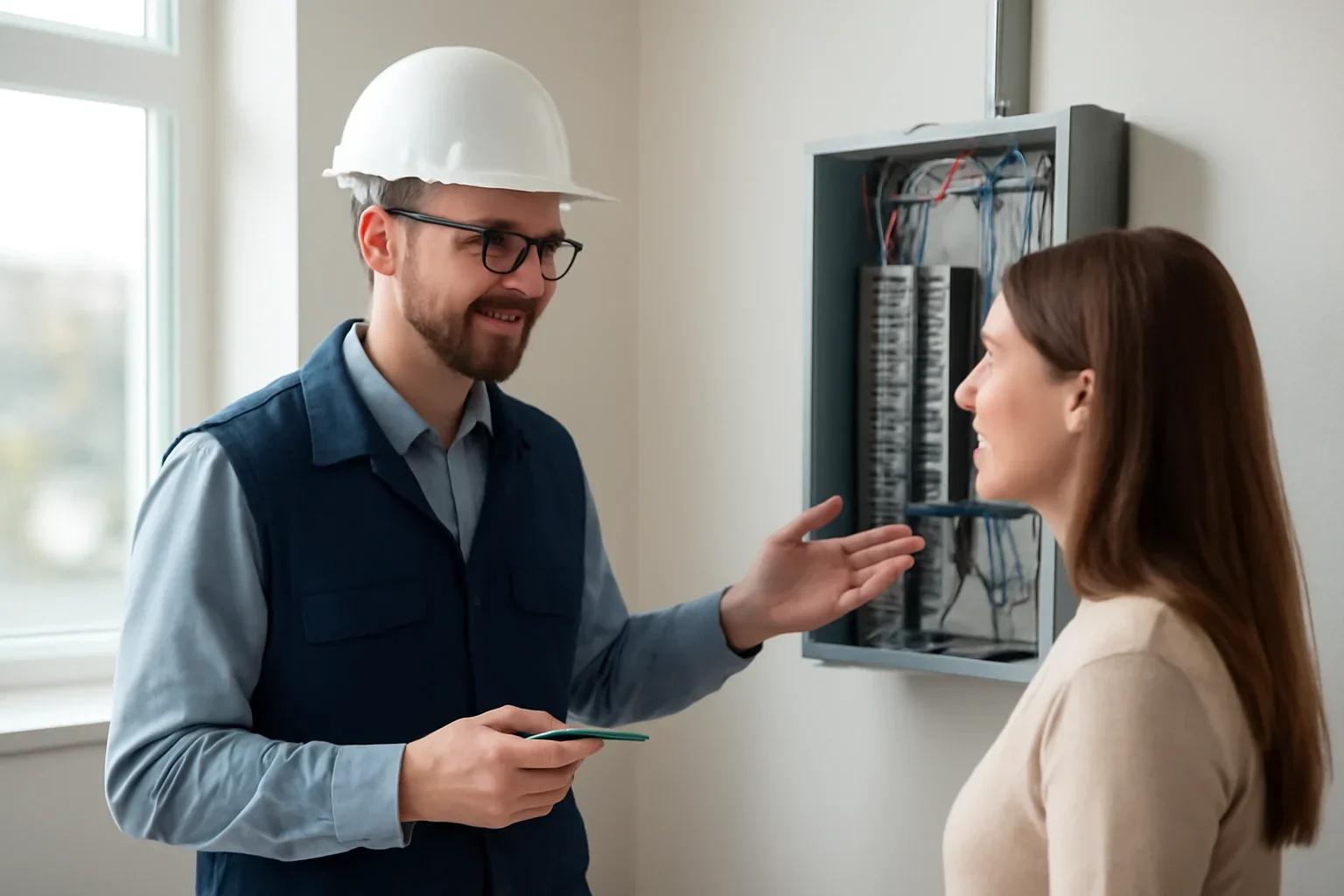
Not every breaker problem means the whole panel needs replacement. A panel upgrade is more likely when equipment is damaged or unsuitable, there is no practical circuit space, a fuse panel is being modernized, or a calculated load shows the existing service cannot support a planned renovation, EV charger, hot tub, HVAC system or other major load.
“Panel upgrade” can mean several different jobs. Defining the goal early helps separate a panel-only replacement from a broader electrical service change.
Review the enclosure, breakers, bus, terminations, circuit identification, grounding and incoming conductors before deciding what can remain.
Assess the existing service rating, fuse equipment, branch circuits, panel location and available space before planning a modern breaker-panel conversion.
Use the property load and planned equipment to determine whether increased service capacity is justified and what changes may be required beyond the indoor panel.
Plan new electrical demand for EV charging, hot tubs, suites, heating and cooling, workshops, kitchen upgrades or other high-demand equipment.

The panel distributes power through the property. The electrical service includes the equipment and conductors that supply that panel. Sometimes the panel can be replaced while the existing service rating stays the same. Other projects need a coordinated change to the service, meter or supply equipment.
If the main issue is repeated tripping, flickering, a partial outage or another unexplained fault, start with electrical troubleshooting in Regina before assuming the panel must be replaced.
A 200A service is not automatically required because a home has a 100A service today. The decision should reflect calculated demand, the existing service equipment and the loads you plan to add.
| Decision point | Keep or work within existing service | Consider increased service capacity |
|---|---|---|
| Current load | Calculated demand fits the existing service with acceptable capacity. | Calculated demand and planned loads exceed what the existing service can support. |
| New equipment | A dedicated circuit, equipment setting or approved load-management approach may fit. | Multiple high-demand loads or a major project may justify a broader service change. |
| Panel condition | The service may remain even if the indoor panel itself needs replacement. | Existing metering, service conductors or supply equipment may also need changes. |
| Project goal | Repair, replacement or added circuit space solves the actual problem. | The property needs materially more electrical capacity for present and future use. |
Planning an EV charger? Review the Regina EV charger installation process. A charger does not automatically require a panel upgrade; charger output, existing demand and available capacity all matter.
A useful quote separates panel equipment from the electrical service, meter arrangement, circuits, permit steps, utility coordination and any corrective work discovered during assessment.
Replacing an indoor panel can be a different scope from increasing the electrical service and changing related supply equipment.
Service entrance, metering and conductor requirements can materially change the work when capacity is increased.
Labelling, circuit condition, grounding, conductor issues and previous alterations can affect labour and corrective work.
Working clearance, finished surfaces, routing, accessibility and the location of service equipment can influence the scope.
Electrical permits, inspection timing, disconnection, meter work and energization can affect scheduling and coordination.
EV charging, hot tubs, suites, electric heating, air conditioning, workshops and renovations should be included in the capacity review.
For a more useful first review: send clear photos of the panel with the door open, the main rating label, the circuit directory, the meter/service area and the nameplate of major equipment you plan to add. Do not remove the panel cover.
Age by itself does not determine whether a panel must be replaced. Condition, breaker compatibility, available space, loading, past alterations and planned electrical demand matter more.
Do not remove the panel cover. If there is smoke, active sparking, exposed conductors, water near electrical equipment or an immediate fire or life-safety risk, leave the affected area and contact emergency services. For urgent electrical concerns, call 639-710-0400.

Panel work affects essential power. The best time to resolve capacity, permit, inspection and outage questions is before installation day.
Provide the Regina address, property type, panel photos, current symptoms, planned equipment, renovation scope and preferred timing.
Review the existing panel, service equipment, grounding, branch circuits, breaker space and calculated demand before recommending the scope.
Define the approved work, electrical permit responsibility, inspection steps, utility involvement and the expected power interruption based on the actual project.
Complete the approved installation, identify circuits, test as appropriate and follow the required inspection or energization process before closing the project.
TSASK administers electrical permits and inspections in Saskatchewan. When the project changes the existing electrical service connection, SaskPower may also need to be involved in the service-change process.
TSASK states that an electrical permit is required for electrical installation work and that licensed electrical contractors are responsible for purchasing permits when hired to perform the work.
SaskPower provides a service-request process for customers who need to change an existing service connection. The exact utility involvement depends on the project and existing service arrangement.
If the condition of the wider electrical system is uncertain, a broader electrical inspection in Regina can help identify panel, wiring and safety issues before a larger renovation or equipment upgrade is finalized.
Panel capacity is often only one part of a renovation or equipment installation. Use the related service page when that project has its own electrical requirements.
Practical answers about cost, 100A and 200A services, permits, outages, EV chargers, fuse panels and recurring breaker problems.
Cost depends on whether the project is a panel-only replacement or a full service upgrade, the existing meter and service arrangement, panel location, circuit count, grounding work, required repairs, permit and inspection steps, utility coordination and the equipment being added. Photos can help with an initial review, but an on-site assessment is often needed for an accurate scope.
Not automatically. The recommendation should be based on a load calculation, the existing service equipment and planned loads such as EV charging, electric heat, hot tubs, air conditioning, suites or shop equipment. Some properties need more service capacity; others may be served by circuit changes, a subpanel or approved load-management options.
No. Repeated tripping can come from an overloaded branch circuit, faulty equipment, damaged wiring, a loose connection or a defective breaker. Troubleshooting should identify the cause before the entire panel is assumed to be undersized or due for replacement.
Electrical installation work in Saskatchewan is subject to TSASK permit and inspection requirements. When a licensed electrical contractor is hired, TSASK states that the contractor is responsible for purchasing the applicable permit. Service changes may also require SaskPower coordination, depending on the project.
The outage depends on the existing installation, whether the electrical service is changing, utility and inspection steps, site access and conditions found after shutdown. The expected outage should be discussed after the project scope and coordination requirements are known rather than promised from a generic timeframe.
No. Charger output, vehicle charging needs, existing electrical demand, breaker space and available service capacity all matter. The assessment may support a dedicated circuit within the existing service, an appropriate charger setting, approved load-management equipment or a broader service upgrade.
A fuse-to-breaker conversion can often be planned, but the existing service rating, panel location, grounding, branch-circuit condition, working space and permit requirements need to be reviewed first. Replacing the panel does not automatically correct problems elsewhere in the property wiring.
Keep people away from the panel and do not remove its cover. If there is smoke, active sparking or an immediate fire or life-safety risk, leave the affected area and contact emergency services. For an urgent electrical concern, call 639-710-0400 and describe the property location and visible symptoms.
Share the property address, property type, panel and meter photos, current symptoms, planned equipment, renovation details and preferred timing. The request can then be reviewed to determine whether the next step is troubleshooting, panel replacement, added circuit capacity or a coordinated electrical service upgrade.