Commercial repairs and troubleshooting
Diagnose partial outages, dead circuits, nuisance trips, damaged devices, overheated components, failed controls, and other electrical faults.

Get practical electrical support for service calls, maintenance, lighting, equipment connections, panel and capacity upgrades, tenant improvements, and urgent faults in Emerald Park, Saskatchewan. The first step is to understand the building, business operations, affected equipment, and timing constraints so the work can be scoped around the property.

A commercial electrician troubleshoots faults, maintains electrical systems, installs lighting and dedicated circuits, connects equipment, upgrades panels and distribution, supports renovations and tenant improvements, and helps coordinate work that may require permits, inspections, utility involvement, or a planned shutdown.

Emerald Park is part of the RM of Edenwold and sits beside White City, east of Regina. Its commercial area includes retail, restaurants, professional services, shops, warehouses, agricultural businesses, and light-industrial properties with very different power and access needs.
A service call for a storefront is not planned the same way as work in a warehouse, office, restaurant, shop, or equipment facility. The useful questions are which circuits and operations are affected, whether work can happen during business hours, what equipment must remain online, and whether the existing electrical capacity supports the proposed change.
For broader support, review commercial electrician services, ongoing electrical maintenance, or the Emerald Park service area.
The right scope depends on the building, existing distribution, connected equipment, occupancy, business schedule, and the result the property needs to support.
Diagnose partial outages, dead circuits, nuisance trips, damaged devices, overheated components, failed controls, and other electrical faults.
Planned reviews, corrective work, recurring service, device replacement, and maintenance support for businesses and managed properties.
Interior, exterior, security, parking-area, display, task, and LED lighting planned around visibility, energy use, controls, and maintenance.
Review available capacity, distribution, disconnects, panels, and added demand before new equipment, renovations, or business expansion.
Assess visible electrical conditions, alterations, panels, devices, and safety concerns before leasing, renovating, expanding, or correcting work.
Review sparking, heat, burning smells, damaged wiring, repeated breaker trips, unsafe equipment, and unexpected loss of power.
Explaining what the business is changing helps identify the electrical work behind the request rather than treating one visible symptom in isolation.
Lighting, receptacles, signage, equipment, service capacity, panels, and layout changes may need to be reviewed before a new tenant opens.
Equipment voltage, phase, amperage, disconnecting means, controls, placement, and available capacity should be checked before connection.
Repeated trips, intermittent outages, heat, and failed devices can point to load, connection, equipment, circuit, or distribution problems.
A lighting upgrade may involve fixture selection, switching, occupancy controls, emergency lighting, exterior coverage, and circuit condition.
Commercial work is easier to plan when the electrician understands the building, affected area, business schedule, equipment, and access before arriving.
Unsafe condition: Keep people away from smoking, sparking, overheated, water-damaged, or exposed electrical equipment. Stop using the affected equipment when it is safe to do so and call for professional help.
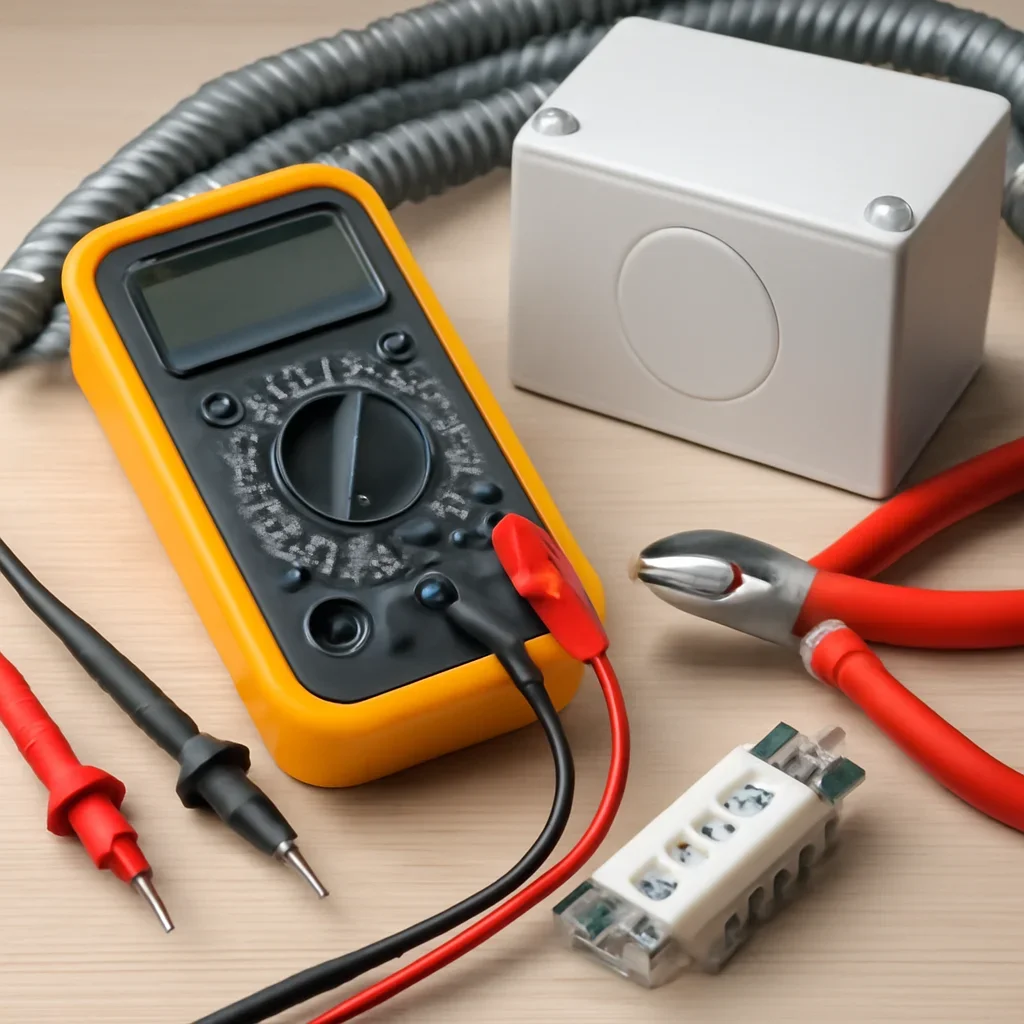
The aim is to define the problem, protect business operations, and agree on the next step before approved work moves forward.
Explain the property type, issue or project, affected equipment, timing, urgency, access, and any known shutdown limitations.
Review the relevant circuits, panels, distribution, devices, equipment, visible safety concerns, and available capacity.
Discuss the proposed work, operating impact, sequencing, permit or inspection needs, materials, and the practical scheduling approach.
Complete the approved work, perform appropriate checks, and review operating, safety, maintenance, or follow-up information.
In Saskatchewan, the Technical Safety Authority of Saskatchewan administers electrical permits, inspections, and electrical contractor licensing. Requirements depend on the actual work, service size, equipment, and project conditions.
Larger changes may also require plans, utility coordination, an energization sequence, equipment lead-time planning, or a controlled shutdown. These details should be identified early so the business can plan around them.
A piece of commercial equipment may require a specific voltage, phase, circuit size, disconnect, control method, or service capacity. Reviewing the nameplate and installation requirements before purchase can reveal supporting electrical work that affects budget, placement, and timing.
This is particularly important for kitchen equipment, HVAC equipment, shop machinery, vehicle charging, signage, refrigeration, process equipment, and other significant loads.
Recommendations should reflect the building and its use rather than applying the same solution to every commercial address.
Explore the full electrical service directory for related repair, installation, inspection, lighting, panel, generator, and equipment-support options.

Emerald Park businesses benefit from access to Regina while operating within the RM of Edenwold beside White City. Commercial service requests may involve properties along Great Plains Road, Highway 1 access, retail areas, stand-alone buildings, shops, and nearby business districts.
When requesting service, include the exact property address, business type, site contact, access instructions, and whether the electrical work affects customers, staff, tenants, security systems, refrigeration, production, or other time-sensitive operations.
Review the Emerald Park electrical service area or send the project details to discuss the most useful next step.
Straightforward answers about quotes, business disruption, permits, equipment, maintenance, and urgent electrical problems.
Service can include troubleshooting, repairs, maintenance, lighting, panels, distribution, equipment circuits, tenant improvements, inspections, emergency concerns, EV charging, generators, signage connections, and electrical support for renovations or business expansion. The actual scope depends on the property and electrical system.
Yes. Provide the property address, business type, project goal, equipment information, photos, access details, and preferred timing. Straightforward work may be discussed from the information provided, while troubleshooting, capacity changes, renovations, and larger projects may require an on-site assessment before an accurate scope can be prepared.
Not every project requires a full shutdown. Some work can be isolated to a circuit or scheduled around operations. Panel, service, distribution, or equipment work may require a controlled outage. The affected loads and shutdown plan should be reviewed before scheduling.
The Technical Safety Authority of Saskatchewan administers electrical permits, inspections, and contractor licensing in the province. Whether a permit, inspection, plan review, or other coordination is required depends on the specific commercial scope.
Yes. A capacity review can consider the equipment specifications, voltage, phase, amperage, existing panel and distribution, available capacity, disconnect requirements, and the proposed installation location. Additional circuits, distribution changes, controls, or a service upgrade may be needed.
Keep staff and customers away from smoke, sparking, exposed wiring, overheating, water-damaged electrical equipment, or any area that appears unsafe. Stop using affected equipment when it is safe to do so and call 639-710-0400 with the property address, symptoms, and current conditions.
Share the property address, business type, electrical issue or planned improvement, affected equipment, preferred timing, and any limits on access or shutdowns. Photos, plans, and equipment specifications can help identify the right next step.