Machinery and equipment power
New circuits, disconnects, feeders, receptacles, and connection planning for production machinery, shop equipment, compressors, pumps, conveyors, welders, and other industrial loads based on manufacturer requirements.

Get practical electrical support for warehouses, fabrication shops, manufacturing spaces, service yards, processing operations, fleet facilities, and other industrial properties across Regina. From machinery circuits and three-phase distribution to panels, lighting, troubleshooting, planned shutdowns, and facility upgrades, the work is scoped around safety, production needs, access, equipment data, and the condition of the existing electrical system.

An industrial electrician works on the power distribution, equipment circuits, controls, motors, lighting, and electrical infrastructure used in industrial facilities. Typical projects can include three-phase equipment connections, panel and transformer work, machinery power, troubleshooting, maintenance, lighting upgrades, emergency repairs, backup-power planning, and electrical changes required for a renovation or production expansion.
Industrial work should begin with the actual load, equipment specifications, operating schedule, existing distribution system, and site conditions. That review helps define what can be repaired, what should be upgraded, and what requires coordination with permits, inspectors, the utility, or other trades.
New circuits, disconnects, feeders, receptacles, and connection planning for production machinery, shop equipment, compressors, pumps, conveyors, welders, and other industrial loads based on manufacturer requirements.
Reviews and upgrades involving panels, switchgear, feeders, transformers, distribution equipment, circuit capacity, and the electrical infrastructure needed to support present and future operations.
Planned maintenance and fault investigation for recurring trips, damaged devices, loose or overheated connections, failed circuits, unreliable equipment feeds, and other issues that interrupt production or facility use.
High-bay, task, warehouse, exterior, security, loading-area, and yard lighting planned around visibility, mounting height, controls, maintenance access, energy use, and Regina’s seasonal conditions.
Generator and transfer-equipment planning based on essential loads, operating priorities, available space, fuel and mechanical coordination, service configuration, and the facility’s continuity requirements.
Help with burning smells, sparking equipment, damaged wiring, overheated components, partial outages, or repeated breaker trips that create an immediate concern for staff, machinery, inventory, or facility operations.
Share the facility type, equipment information, symptoms, photos, operating schedule, access restrictions, and whether the project is urgent, planned, or tied to a shutdown.

Industrial equipment can require specific voltage, phase, current, starting characteristics, controls, disconnects, grounding, and overcurrent protection. Reviewing the nameplate, manuals, drawings, and intended operating conditions early helps prevent unsuitable circuits, failed starts, production delays, and expensive changes after equipment reaches the site.
For a more useful quote: send the Regina service address, equipment nameplate photos, electrical drawings, panel and transformer information, proposed layout, shutdown window, site-contact details, and the target in-service date.
Industrial electrical systems often connect multiple parts of the operation. A machinery addition can affect the panel, transformer, service, ventilation, controls, floor layout, and shutdown plan. Looking at the complete system helps reduce surprises during installation and commissioning.
Feeders, branch circuits, disconnects, and connection planning for motors, machinery, compressors, pumps, welders, and process loads.
Electrical support for starters, contactors, control panels, variable-frequency drives, interlocks, and equipment replacement.
Power distribution changes for additions, production-line moves, new work cells, warehouse changes, and industrial tenant improvements.
Lighting and equipment connections for docks, yards, gates, vehicle areas, outdoor receptacles, signs, and exposed equipment.
Scheduled review of electrical equipment, recurring faults, heat-related concerns, damaged components, and maintenance priorities.
Sequencing electrical work around operating hours, critical loads, equipment access, contractors, and realistic restart requirements.
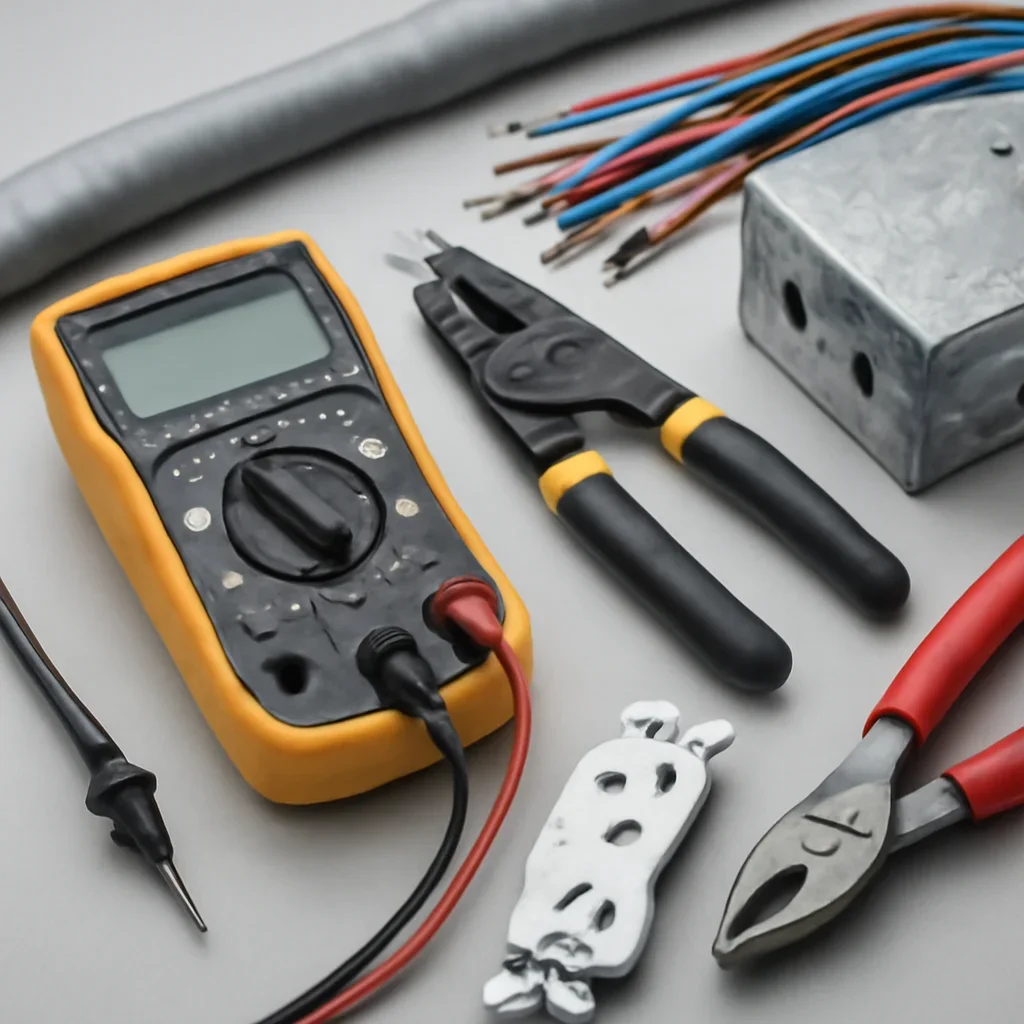
Industrial electrical work may be one part of a larger building, equipment, service, or production project. Confirming approval and coordination requirements early can reduce delays between design, installation, inspection, energization, and equipment start-up.
Commercial and industrial alterations, conversions, tenant improvements, new buildings, and additions may require building and/or development permits. Requirements depend on the building, occupancy, use, layout, and overall construction scope.
Review the City’s commercial and industrial permit information .
The Technical Safety Authority of Saskatchewan is responsible for electrical permits, inspections, and contractor licensing in the province. Applicable permit and plan-submission requirements should be confirmed before installation work begins.
See the official TSASK electrical information .
A new service, capacity increase, meter change, transformer requirement, or alteration to the existing service connection may require a SaskPower request and supporting site or load information.
Review SaskPower’s electrical service request guidance .
Industrial projects are easier to scope when equipment information, facility constraints, shutdown needs, responsibilities, and required approvals are discussed before work starts.
Provide the address, facility type, equipment data, symptoms, drawings, photos, access rules, operating schedule, urgency, and target completion date.
Relevant services, panels, transformers, feeders, circuits, controls, equipment connections, and visible safety concerns are reviewed.
Review the proposed work, sequencing, materials, isolation needs, responsibilities, permit considerations, and coordination with operations or other trades.
Approved work is completed and checked as appropriate, with important operating, maintenance, inspection, and follow-up details reviewed before closeout.
Support is available for facilities in Ross Industrial, Tuxedo Industrial, Sherwood Industrial Park, the Warehouse District, north and northeast Regina, and other commercial and industrial locations throughout the city and surrounding service area.
Review the full Regina electrical service area or browse the complete electrical service directory .
Industrial electrical decisions should reflect the actual equipment, distribution system, operating environment, production risk, and future plans for the property.
Planning begins with actual nameplate data, manuals, drawings, controls, and operating requirements rather than assumptions.
The existing service, transformer, distribution equipment, feeders, and panels are considered before new loads are added.
The electrical scope, exclusions, dependencies, shutdown needs, and next steps are discussed before approved work proceeds.
Production schedules, critical loads, access, staff safety procedures, and other contractors are considered during planning.
Completed work is checked as appropriate, with operating, maintenance, inspection, or follow-up details reviewed at closeout.
The plan considers Regina site conditions, applicable approval steps, utility coordination, and the practical project schedule.
Straightforward information about industrial quotes, machinery circuits, three-phase power, shutdowns, permits, capacity, maintenance, and urgent electrical problems.
Industrial electrical work can include machinery and motor circuits, three-phase distribution, panels, transformers, feeders, controls, lighting, equipment connections, troubleshooting, repairs, inspections, planned maintenance, generators, and facility upgrades. The final scope depends on the existing system, equipment, operating environment, and project requirements.
Scheduling can be discussed around shifts, production runs, deliveries, cleaning, contractor access, critical loads, and realistic restart requirements. Some work can be phased, while other tasks require a planned shutdown, isolation, inspection, or utility coordination.
Provide the equipment manufacturer and model, nameplate photos, voltage, phase, current, starting method, controls, installation manual, proposed location, operating duty, and target in-service date. Information about the nearest panel, transformer, and available capacity is also useful.
An electrical assessment can review the proposed load against the existing service, transformer, distribution equipment, feeders, and panels. Larger additions may require further engineering, permit review, equipment changes, or coordination with SaskPower before the new load can be connected.
Many installations and alterations require the applicable TSASK electrical permit and inspection process. A City of Regina building and/or development permit may also be needed when the larger project involves a new industrial building, addition, alteration, conversion, change of use, or tenant improvement.
Keep staff away from the affected area and stop using equipment that appears damaged, hot, smoking, or sparking. Follow the facility’s established emergency and isolation procedures without touching exposed electrical parts. Call 639-710-0400 and clearly describe the equipment, symptoms, location, and current site condition.
Share the location, facility type, electrical concern or planned upgrade, equipment data, operating schedule, access restrictions, and target completion date. This helps identify whether the next step should be troubleshooting, a site assessment, capacity review, shutdown planning, maintenance, or a project quote.