Add or relocate general-use outlets
Improve access beside beds, desks, televisions, counters, work areas, or furniture layouts after the circuit and routing options are reviewed.

Add, move, replace, or troubleshoot outlets, switches, dimmers, USB receptacles, and smart controls in White City homes and businesses. Each project starts with how the room is used, what the device must support, the condition of the existing circuit, wall access, and whether new wiring or protection is required.

Usually, but the best installation path depends on the nearest suitable circuit, available capacity, wall and ceiling access, insulation, device location, and what will be plugged in or controlled. A simple device replacement is different from extending wiring, adding a dedicated circuit, or changing how several lights are switched.
Send photos of the wall, nearby devices, panel, and product model when you already selected a switch, dimmer, or smart control.
Placement matters. The right solution should reduce extension-cord dependence, make lighting easier to control, support the intended equipment, and fit the room without creating avoidable wall damage.
Improve access beside beds, desks, televisions, counters, work areas, or furniture layouts after the circuit and routing options are reviewed.
Add or update controls for entrances, hallways, stairways, bedrooms, kitchens, finished basements, and other spaces where lighting should be easier to use.
Review box space, wiring configuration, neutral availability, connected load, fixture compatibility, and manufacturer requirements before installation.
Plan receptacles and controls around appliance locations, cabinetry, counters, laundry equipment, utility rooms, and the protection required for the location.
Add practical device locations with suitable boxes, covers, wiring methods, circuit planning, and protection for the environment.
Determine whether the problem is limited to the outlet or switch or caused by a connection, circuit, upstream device, breaker, or connected equipment.

Outlet and switch decisions often surface during basement development, kitchen updates, home-office changes, garage improvements, additions, and room reconfigurations. Planning before insulation, drywall, tile, cabinetry, or built-ins are complete usually creates more routing options and clearer pricing.
Permit planning: Electrical additions and alterations may involve provincial permit and inspection requirements. White City also publishes municipal information for renovations and basement development. Confirm the applicable path before the project begins.
“Add one outlet” can describe a quick replacement, a difficult finished-wall route, a new circuit, or a device intended for equipment with specific power needs. These details help define the real scope.
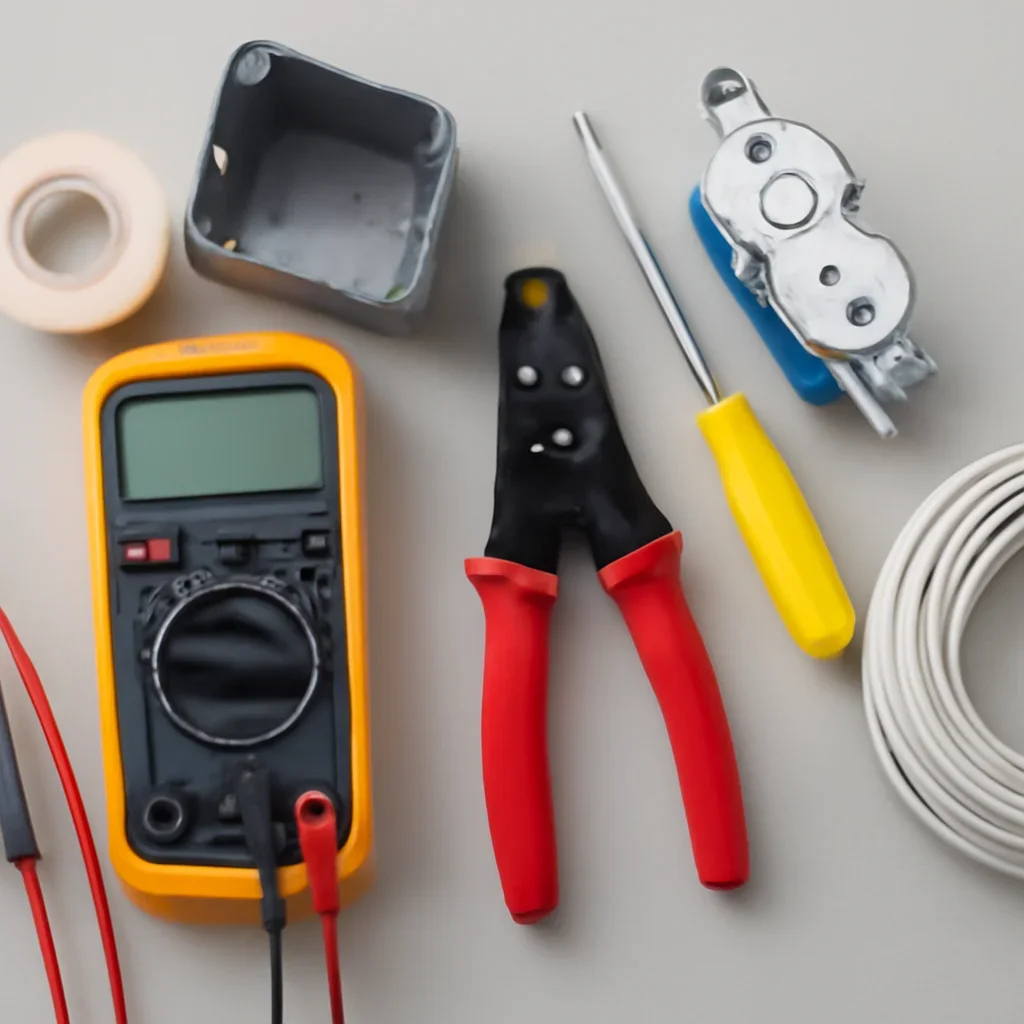
The process separates the visible device from the wiring and circuit behind it, so the recommendation is based on the actual property rather than an assumed one-size-fits-all replacement.
Describe the room, desired device position, what it will power or control, renovation stage, finish materials, and preferred timing.
Review the existing box, circuit, panel, wall route, connected load, device compatibility, and any visible safety concerns.
Explain whether the work is a replacement, circuit extension, new circuit, troubleshooting visit, or part of a permitted renovation.
Complete the approved work, test operation and protection as appropriate, secure devices and covers, and review important use information.
Replacing the visible device is not always the correct fix. A professional assessment helps locate the fault and avoids leaving a damaged connection or overloaded circuit unresolved.
A tripped protective device, loose connection, damaged receptacle, failed upstream device, open circuit, switched outlet, breaker issue, or connected equipment fault can produce similar symptoms.
The switch, wiring connection, fixture, lamp, driver, control compatibility, circuit, or multi-location switching arrangement may be responsible for flicker, intermittent operation, buzzing, or failure.
Stop using the device and call for help if an outlet or switch is hot, discoloured, smoking, actively sparking, crackling, loose in the wall, or producing a burning smell. Stay away from exposed wiring and damaged equipment.

Some projects remain a focused outlet or switch installation. Others uncover a circuit, panel, lighting, renovation, or safety issue that should be scoped as a separate electrical service.
Clear answers about finished walls, dedicated circuits, smart controls, grounding, permits, pricing, and device troubleshooting in White City.
Sometimes. The route depends on the nearest suitable electrical source, wall construction, insulation, basement or attic access, cabinets, tile, and the desired location. A site assessment can identify the least disruptive practical route, but some finished-wall access may still be required.
Not every general-use outlet needs its own circuit. The answer depends on what the outlet will supply, the existing circuit load, equipment specifications, location, and applicable requirements. High-demand or specialized equipment may need a dedicated circuit rather than an extension from a nearby receptacle.
Not without reviewing the existing wiring and grounding arrangement. The correct solution depends on what is present in the box and circuit. A three-prong device should not be installed in a way that falsely suggests grounding that is not actually available.
Yes, after checking the existing wiring, box space, connected fixture or load, multi-location arrangement, neutral requirements, and product compatibility. Share the exact model before the visit when possible.
Permit requirements depend on the type and extent of the electrical work. New wiring and alterations may require a Saskatchewan electrical permit and related inspection. Larger renovation or basement projects may also involve White City municipal requirements. The applicable path should be confirmed before work begins.
Pricing depends on whether the work is a direct replacement or new location, circuit availability, wall access, distance and routing, device type, finish materials, troubleshooting, permit needs, and the number of devices. Photos and a clear list of locations help define the likely scope before booking.
Many device-level problems can be addressed during the visit when the fault is accessible and the required materials are available. Circuit damage, concealed wiring problems, panel work, or a larger permitted alteration may require a separate repair scope.
Share the property address, room, number of devices, desired locations, what each outlet will power or each switch will control, whether walls are open or finished, and your renovation timeline. Add photos of the wall, nearby devices, panel, and selected product when helpful.