Concerns raised during a home purchase
Follow up on an older panel, unusual wiring, missing covers, warm devices, non-working outlets, or electrical notes from a general home inspection.

Request a practical electrical inspection for a White City home, renovation, rental, commercial space, panel concern, or recurring fault. The goal is to identify visible safety concerns, capacity questions, repair priorities, and the most useful next step without overstating what can be confirmed from a non-destructive review.

A condition-focused inspection reviews accessible parts of the system such as the service and panel, breakers, grounding and bonding, visible wiring, outlets, switches, protective devices, and signs of overheating, damage, moisture, loose connections, or unplanned alterations. The exact scope depends on the property, reason for the inspection, access, and whether walls or ceilings are open.
Share the property type, concern, recent work, and your deadline so the request can be scoped correctly.
An inspection is most useful when there is a clear question to answer: Is the system safe to keep using? Is there capacity for planned equipment? What should be repaired first? Does recent work need further review?
Follow up on an older panel, unusual wiring, missing covers, warm devices, non-working outlets, or electrical notes from a general home inspection.
Review existing circuits, panel space, expected loads, visible alterations, and inspection timing before finishes hide new wiring.
Check whether the current service and panel should be assessed before an EV charger, hot tub, air-conditioning equipment, workshop, or added circuits.
Similar symptoms can come from overloaded circuits, failing equipment, damaged devices, loose connections, or problems elsewhere in the system.
Review accessible wiring and devices when a finished basement, garage, addition, rental suite, or other alteration has an unclear electrical history.
Arrange a focused assessment before damaged electrical components or affected areas are put back into normal use.

White City publishes municipal permit information for new homes, renovations, and basement development. Electrical additions or alterations may also involve separate provincial permit and inspection requirements. The correct path depends on the project, who is completing the work, and the authority responsible for that installation.
Important distinction: An electrician’s condition assessment can identify visible concerns and recommend repairs, but it does not replace an inspection performed by the authority responsible for permitted electrical work.
The inspection is shaped around the question you need answered. A focused panel or renovation review may be narrower than a broader property condition assessment, and concealed components cannot be confirmed without access.
Review the broader electrical inspection service when you need information about related inspection support.
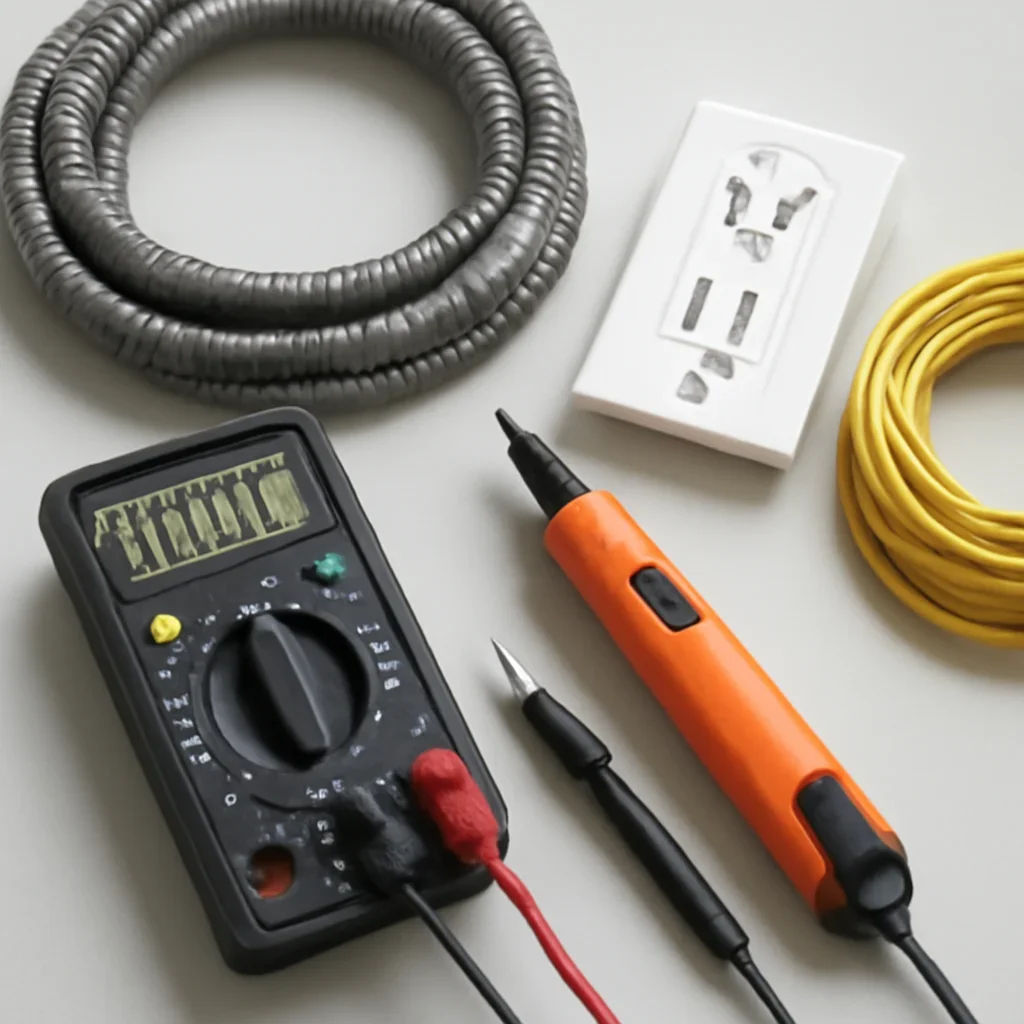
Clear information before the appointment helps match the inspection scope to the property and avoids treating every request as the same generic checklist.
Share whether the concern relates to a purchase, renovation, panel, equipment, repeated fault, recent work, insurance question, or visible damage.
The relevant panel, circuits, devices, wiring, equipment, and work areas are reviewed based on access and the agreed scope.
Visible concerns, limitations, immediate risks, repair priorities, and capacity questions are discussed in plain language.
The next step may be monitoring, repair, replacement, further testing, permit confirmation, an authority inspection, or a separate project estimate.
A useful inspection should state its limitations. That prevents assumptions about concealed wiring, permits, code history, or components that could not be safely accessed during the visit.
Wiring hidden behind finished walls, ceilings, cabinetry, insulation, or underground cannot be fully evaluated without suitable access or separate testing.
A site visit does not by itself prove whether every past alteration was permitted, inspected, or accepted by the authority responsible at that time.
A contractor assessment is not an official approval, occupancy authorization, or substitute for a required rough-in, service, or final inspection.
Urgent safety concern: If there is smoke, active sparking, a burning smell, exposed energized wiring, or equipment that is visibly overheating, stay away from the affected area and call for urgent professional help.

The value of an inspection is not just finding a problem. It is understanding which concerns are urgent, which repairs can be planned, and which specialist or permit step should come next.
These answers explain the difference between a practical condition review, permit-related inspections, pricing factors, access, and repair planning.
Arrange a review when you are buying or renovating a property, planning new equipment, concerned about an older or modified system, or seeing repeated symptoms such as breaker trips, flickering lights, warm devices, buzzing, partial outages, or visible damage.
No. An electrician can perform a condition assessment, troubleshoot concerns, review renovation readiness, and recommend repairs. An official inspection for permitted electrical work is completed through the authority responsible for that permit and cannot be replaced by a contractor’s assessment.
Yes, accessible rough-in wiring can be reviewed before walls and ceilings are closed. When the project requires an official rough-in inspection, keep the installation visible and coordinate the required authority inspection before insulation, drywall, or other finishes cover the work.
A panel and load review can identify visible limitations, breaker space, service information, and the equipment you plan to add. A more detailed load calculation, utility coordination, or panel-upgrade scope may be required before a final recommendation is made.
Pricing depends on the purpose of the inspection, property size, number of panels, areas being reviewed, accessibility, documentation needs, and whether additional testing is required. Share those details when requesting service so the expected scope and pricing approach can be explained before booking.
Share the White City address, property type, reason for the inspection, symptoms, recent renovations, equipment being added, photos of the panel or concern, and any deadline connected to a purchase, renovation, tenant, insurer, or permit process.
Some small issues may be repairable when the required parts, access, time, and authorization are available. Larger concerns may need a separate scope, permit, equipment order, shutdown plan, or scheduled repair appointment.
Describe the property, the concern you want reviewed, any recent or planned electrical work, visible symptoms, access limitations, and your timing. Include panel or work-area photos when helpful so the request can be matched to the most appropriate inspection or service visit.