Panel and load review
Review panel rating, breaker space, major loads, existing electrical demand, and the charging output you actually need.

Charge at home or work with a dedicated 208- or 240-volt installation planned around your vehicle, daily driving, electrical panel, parking location, and Regina’s winter conditions. The first step is confirming what your property can safely support—not automatically selling you a larger panel.
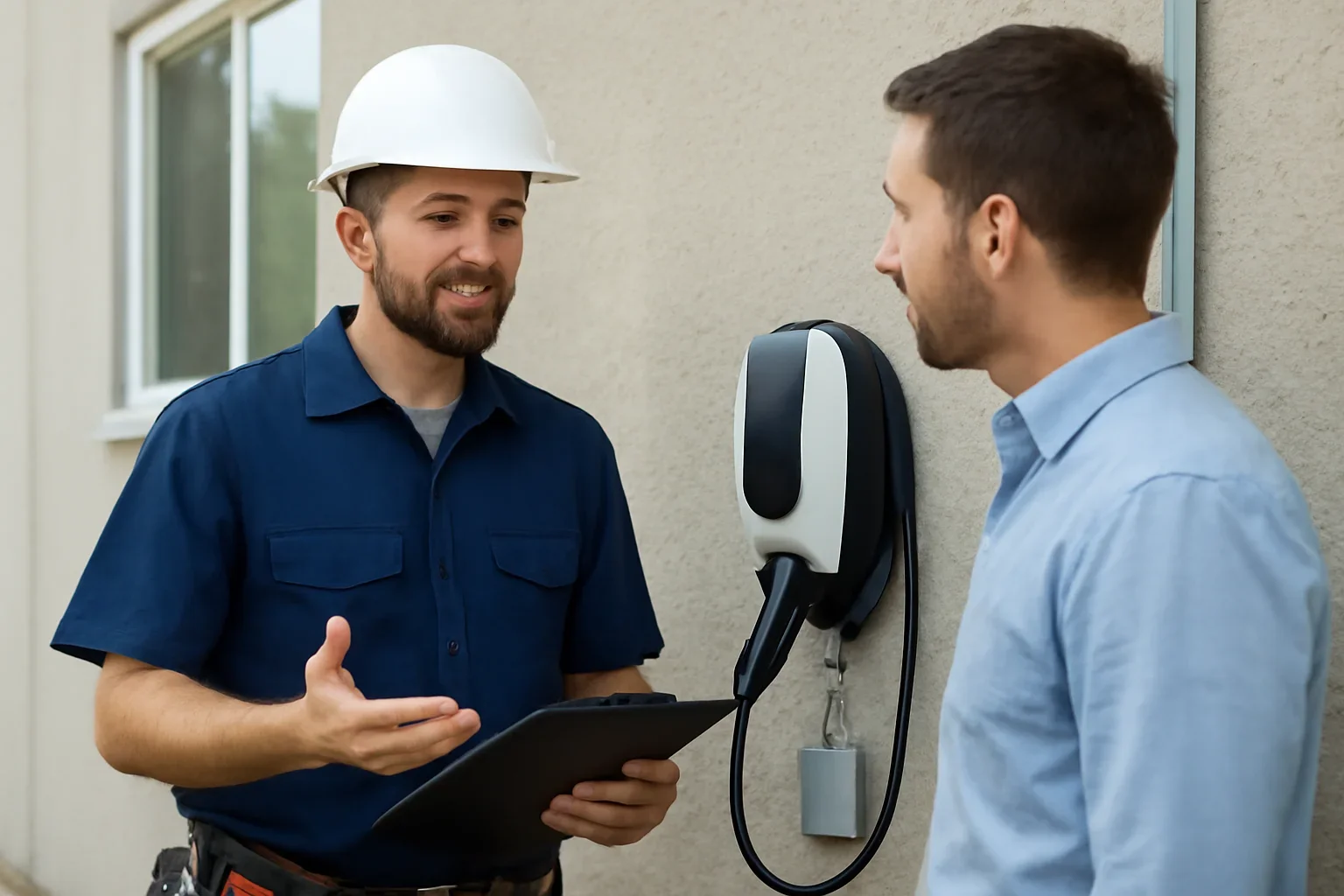
A Level 2 charger normally needs an approved charger, a correctly sized dedicated circuit, a compatible breaker, a safe wiring route, and enough available electrical capacity. Saskatchewan EV charger work must be completed under a licensed electrical contractor’s permit. The site review determines whether the existing panel is sufficient, whether load management is practical, or whether a panel or service upgrade should be discussed.

A good installation begins with how the vehicle will actually be used. A commuter who parks nightly in an attached garage may need a different solution than a household with two EVs, a detached garage, or a future basement suite.
The assessment considers charger output, panel capacity, other major electrical loads, cable distance, wall construction, garage access, outdoor exposure, and whether the unit will be hardwired or connected in another manufacturer-approved configuration.
Regina permit reality: TSASK does not allow EV charger installations under a homeowner electrical permit. The work requires a licensed Saskatchewan electrical contractor and a contractor permit.
For broader equipment options, visit our EV charger installation service. When capacity is limited, review electrical panel upgrades in Regina.
The final scope depends on the charger, the property, and the existing electrical system. The goal is a clean installation that is practical to use every day and properly planned for the equipment being connected.
Review panel rating, breaker space, major loads, existing electrical demand, and the charging output you actually need.
Install the correctly planned breaker, conductors, protection, disconnecting means where applicable, and charger connection.
Position the charger for convenient parking, charge-port access, cable storage, snow clearance, and reduced exposure to impact.
Assess the existing garage supply or plan a new route when charging is required away from the main building.
Compare a panel upgrade, service change, subpanel, lower charging output, or suitable load-management approach when capacity is tight.
Verify the completed installation, review normal operation, and explain charger scheduling, cable care, and the next step if a fault appears.
Faster is not automatically better. Daily kilometres, overnight parking time, vehicle limits, and available electrical capacity should guide the decision.
| Charging option | Typical connection | Where it fits | Planning reality |
|---|---|---|---|
| Level 1 | 120-volt household connection | Low daily driving or occasional charging | Slowest option; the existing outlet and circuit still need to be suitable. |
| Level 2 | 208- or 240-volt dedicated installation | Regular home, workplace, fleet, or customer charging | Output is matched to the vehicle, panel capacity, parking time, and future plans. |
| DC fast charging | High-capacity commercial equipment | Public charging corridors and specialized fleet applications | Requires significantly more infrastructure and is not a normal residential installation. |
The shortest wire run is not always the best everyday location. Local parking layouts, detached garages, winter temperatures, snow storage, and older electrical systems can all change the scope.
Reliable overnight charging helps drivers start cold mornings with a charged vehicle and use scheduled preconditioning when their vehicle supports it.
Exterior equipment should be suitable for the location and positioned with cable reach, snow clearing, drainage, and physical protection in mind.
Homes in established neighbourhoods may need closer review of panel space, service size, grounding, past alterations, or the route to a detached garage.
A newer panel can still be near capacity when the property also has air conditioning, a hot tub, electric heat, a basement suite, or other major loads.
Local charging tip: SaskPower encourages home EV charging after 8 p.m. when possible. Most vehicles and many chargers allow scheduled charging.
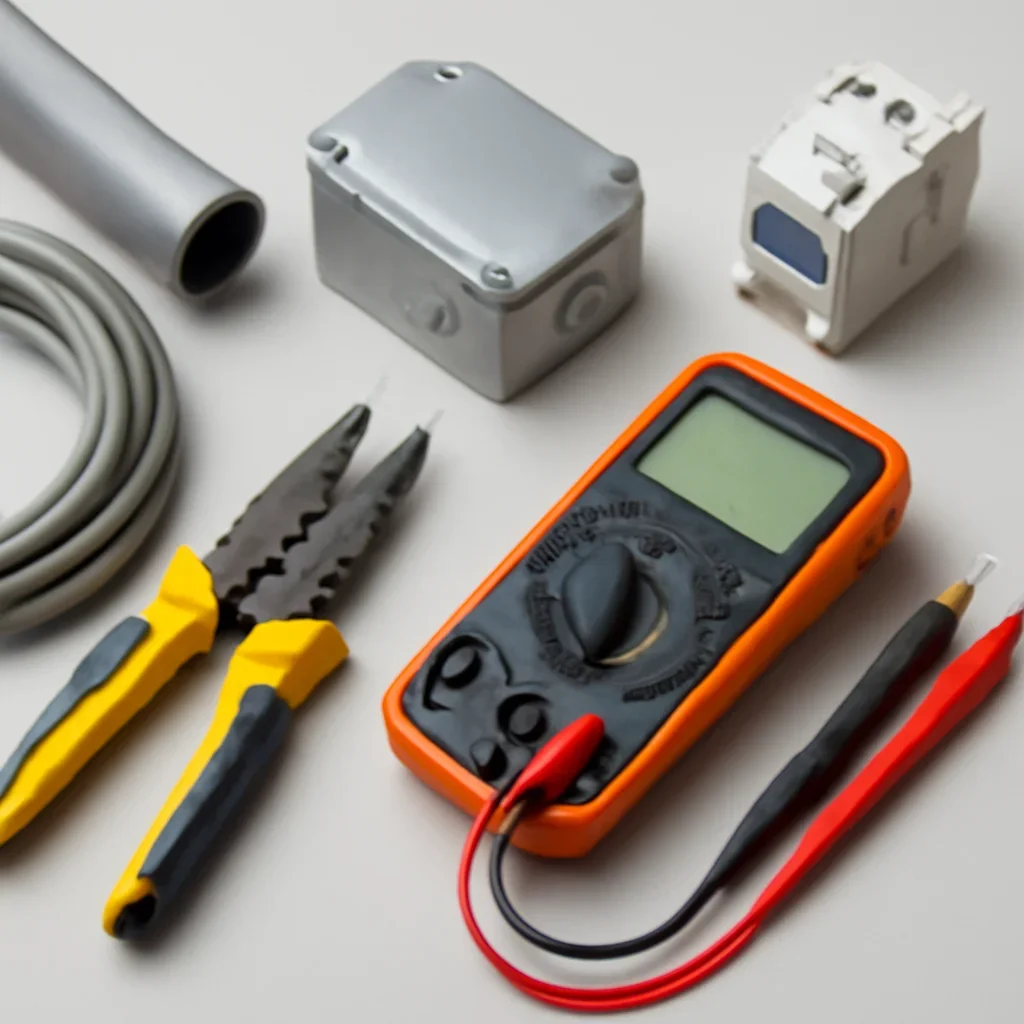
Clear information at the beginning reduces surprises. Photos of the charger, panel, meter, parking area, and possible wiring route are useful before the site visit.
Provide the vehicle and charger models, property type, parking location, daily driving, preferred output, and whether another EV may be added later.
Review the panel, calculated load, wiring route, equipment location, garage supply, outdoor exposure, and any access or finishing work.
Explain the recommended charging setup, capacity solution if needed, installation details, quote, scheduling, and applicable Saskatchewan contractor permit.
Complete the approved work, test the charger and circuit as appropriate, clean the work area, and review operation and scheduling.

Level 2 charging can support a single-family home, condo parking stall, rental property, office, retail site, managed building, or light-duty fleet—but access and approval requirements are different for each.
Homeowners can also review our residential electrical services. Businesses and property managers can explore commercial electrical services in Regina. For general planning information, see what affects home EV charger installation cost.
Charger output can often be selected around actual driving needs. When the electrical service is constrained, the options should be compared before a larger project is approved.
A lower-output Level 2 setting may still restore a full day of driving overnight while fitting the property more comfortably.
Where suitable, approved load-management equipment may allow charging to respond to other electrical demand instead of running at full output continuously.
A panel, subpanel, or service upgrade may be appropriate when capacity, condition, breaker space, future loads, or the overall electrical plan supports the investment.
A broader system review may also include an electrical inspection. Explore the complete Regina electrical service directory when the project includes other upgrades.
Service requests are reviewed throughout Regina and nearby communities, including homes with attached or detached garages and commercial properties planning one or more chargers.
Common service areas include Harbour Landing, Greens on Gardiner, The Towns, Eastbrook, Wascana View, Douglas Park, Lakeview, Cathedral, Albert Park, Whitmore Park, Rosemont, Northwest Regina, White City, Emerald Park, and Pilot Butte.
Check the complete Electrician Regina service area or send the project address with your quote request.
Direct answers about electrical capacity, permits, cost factors, winter use, equipment, and residential or commercial charging in Regina.
Yes. TSASK states that EV charger installations are not eligible for a homeowner electrical wiring permit. The work must be performed by a licensed Saskatchewan electrical contractor under a contractor permit.
No. The answer depends on the existing service, calculated demand, other major loads, charger output, and future plans. Some properties can support the charger as they are; others may use a lower charging output or suitable load management. A panel or service upgrade should be recommended when the assessment shows it is needed.
Cost depends on charger output, cable distance, panel capacity, breaker space, indoor or outdoor placement, wall finishes, detached-garage routing, trenching, permit costs, and whether a panel or service change is required. Photos of the panel and parking area can help define the likely scope, but an on-site review may be needed for an accurate quote.
Level 2 charging speed depends on the charger output, the circuit, the vehicle’s onboard charging limit, battery size, starting charge level, temperature, and any charging settings. The installation should be sized around the vehicle and the amount of energy that needs to be replaced during normal parking time.
Yes, when the charger and installation are suitable for the location. Planning should account for weather exposure, mounting surface, snow clearing, drainage, cord storage, charge-port reach, and protection from vehicles or equipment.
Often, yes. The existing garage panel or feeder must be assessed for capacity and condition. If it cannot support the charger, the project may require a feeder change, new wiring route, trenching, a subpanel, load management, or another capacity solution.
You can research preferred models, but it is helpful to confirm the vehicle’s charging limit, desired features, cable length, mounting location, electrical requirements, and property capacity before committing to a unit. Send the specification sheet or model number when requesting a quote.
Commercial and multi-unit charging can be planned for employees, customers, tenants, or light-duty fleets. The assessment may include distribution capacity, parking control, charger quantity, networking, billing goals, accessibility, property approval, future expansion, and coordination with other commercial electrical work.
Send the charger and vehicle models, project address, panel photo, parking-area photo, and approximate distance between them. Include whether the charger will be indoors, outside, or in a detached garage, and mention any future second vehicle.