LED lighting retrofits
Replace aging fluorescent, metal-halide, or inefficient fixtures with practical LED options selected for output, colour temperature, controls, mounting, and serviceability.

Plan lighting repairs, LED retrofits, new fixtures, controls, exterior lighting, and tenant-improvement work for offices, stores, restaurants, warehouses, shops, and managed properties across Regina. The starting point is not just the fixture: it is how the space is used, what the existing electrical system can support, and when the work can be completed with the least disruption.
For a faster quote review: include the property type, fixture count, ceiling height, photos, business hours, access restrictions, and the result you want.

Commercial lighting service can include troubleshooting failed fixtures, replacing lamps or drivers, converting fluorescent lighting to LED, adding occupancy controls, improving task lighting, installing exterior or security fixtures, upgrading emergency and exit lighting, and wiring new layouts during renovations or tenant improvements. The exact scope depends on the existing wiring, fixture condition, controls, ceiling access, operating hours, and permit or inspection requirements.
A retail floor, office, warehouse, restaurant, parking area, and service shop all need different light levels, fixture types, controls, and maintenance access. The design and installation should reflect the actual work happening in the space.
Replace aging fluorescent, metal-halide, or inefficient fixtures with practical LED options selected for output, colour temperature, controls, mounting, and serviceability.
Improve work areas, reception spaces, sales floors, displays, fitting rooms, hallways, staff areas, and customer-facing spaces without creating harsh glare or dark zones.
Plan high-bay, aisle, loading, storage, and task lighting around ceiling height, equipment movement, racking, visibility, maintenance access, and operating schedules.
Install or replace wall packs, canopy lights, entrance lighting, motion lighting, parking-area fixtures, and service-door lighting using equipment suited to exposure.
Add occupancy sensors, timers, photocells, dimming, zoning, or other control strategies where they improve usability and reduce unnecessary operating time.
Review, replace, or add emergency lighting and exit-sign equipment as part of maintenance, renovations, tenant improvements, occupancy changes, or inspection-related corrections.
For broader fixture and installation options, visit lighting installation in Regina. For complete business electrical support, review commercial electrician services.

Local lighting decisions are affected by long winter nights, cold outdoor conditions, snow and moisture exposure, older commercial spaces, high ceilings, tenant turnover, and the need to keep businesses operating during repairs or upgrades.
Exterior fixtures, drivers, seals, mounting, photocells, and wiring methods should be selected for Regina temperature swings and exposed locations.
Existing spaces may contain several fixture generations, old ballasts, added circuits, or controls that need to be traced before a reliable retrofit is priced.
Access, lifts, ceiling work, shutdowns, deliveries, customer traffic, and tenant schedules should be planned before installation starts.
Do not ignore heat, burning smells, buzzing, repeated breaker trips, or damaged fixtures. Stop using the affected lighting where it is safe to do so, keep people away from the area, and request professional electrical help. For urgent concerns, visit the emergency electrician page.
The correct fixture and control strategy depends on the work performed, ceiling height, available daylight, customer experience, safety needs, cleaning requirements, and how often the space changes.
General lighting, meeting rooms, reception areas, corridors, task lighting, dimming, occupancy controls, and lighting changes during office reconfiguration.
Sales floors, product displays, checkout areas, fitting rooms, storefronts, signs, entrances, exterior lighting, and flexible lighting for changing layouts.
High-bay fixtures, aisles, loading areas, workstations, equipment zones, storage areas, service bays, and lighting that supports safe movement and detailed work.
Dining areas, kitchens, preparation areas, service corridors, entrances, patios, washrooms, signs, and lighting planned around atmosphere and practical cleaning.
Common areas, suites, parkades, stairwells, utility spaces, exterior fixtures, tenant improvements, recurring maintenance, and phased replacement programs.
Reception areas, treatment or service rooms, offices, hallways, entrances, storage, exterior access, and lighting changes coordinated with occupancy and operating needs.
Fixture price is only one part of the quote. Access, ceiling height, existing wiring, controls, working hours, disposal, permits, and whether other electrical upgrades are required can change the labour and material scope.
| Quote factor | Why it matters |
|---|---|
| Fixture quantity and type | Different applications require different output, optics, drivers, controls, and mounting hardware. |
| Ceiling height and access | Ladders, lifts, racking, finished ceilings, occupied areas, and restricted access affect labour planning. |
| Existing wiring and circuits | Damaged wiring, overloaded circuits, old controls, or undocumented alterations may require added work. |
| Business hours and shutdowns | Phasing, after-hours access, tenant coordination, and temporary shutdowns can affect scheduling. |
| Permit and inspection needs | New wiring, circuit changes, renovation scope, and project type can add permit or inspection steps. |
| Related electrical capacity | Panel space, service capacity, controls, emergency systems, and other connected loads may need review. |
The cause may be a lamp, ballast, driver, socket, control, loose connection, damaged wiring, overloaded circuit, moisture entry, voltage issue, or a fixture that has reached the end of its service life. Identifying the cause helps avoid replacing the wrong component.
Where capacity, altered wiring, or safety is a concern, an electrical inspection in Regina may be the right starting point. Larger changes may also connect to an electrical panel upgrade.
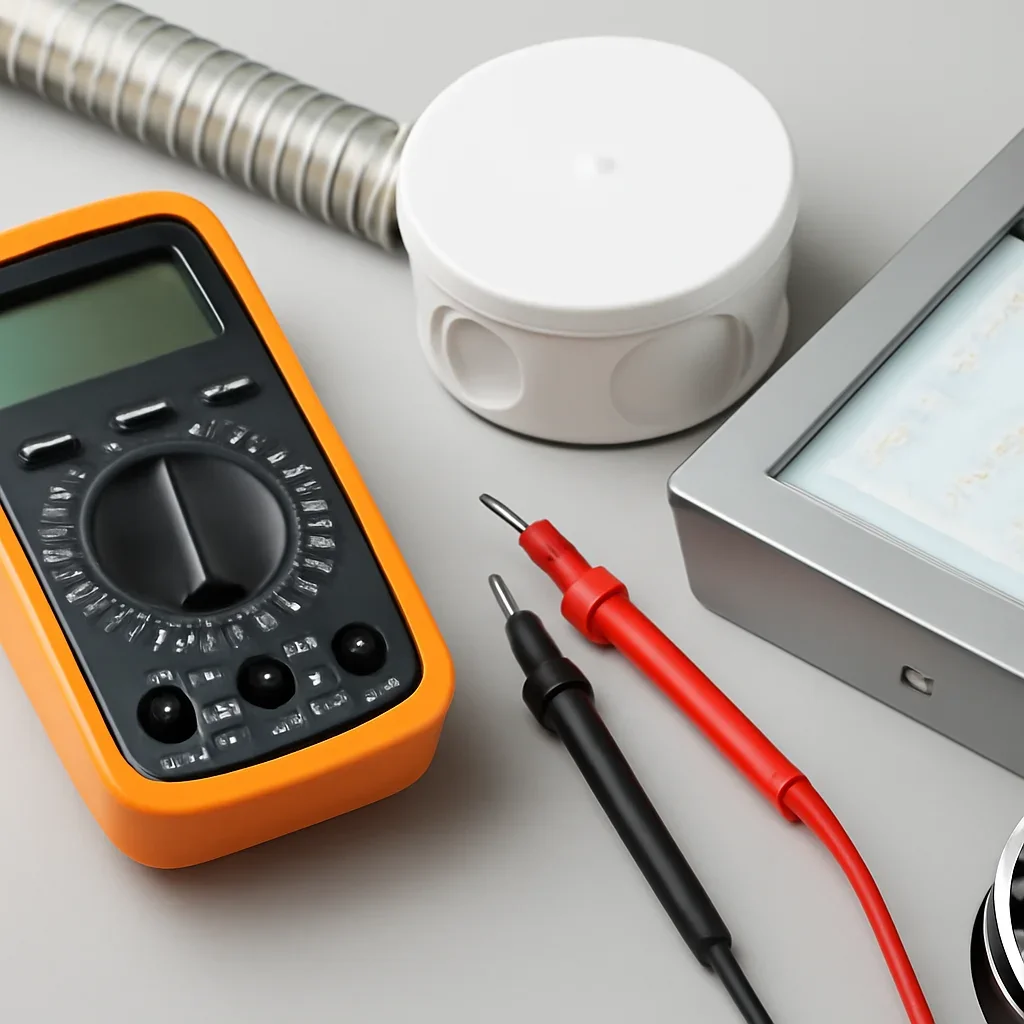
Clear information at the beginning helps reduce surprises, choose suitable equipment, coordinate access, and build a scope that reflects the real site conditions.
Describe the space, lighting issue, desired result, property location, fixture count, ceiling height, business hours, timing, and any known electrical concerns.
Review the existing fixtures, controls, circuits, panel, access, work area, exposure, operating needs, and any permit or inspection considerations.
Define the recommended fixtures or repair, related wiring, controls, access equipment, scheduling, exclusions, and the next step before work is approved.
Complete the approved work, test operation, review controls, identify any remaining concerns, and provide practical information for ongoing use or maintenance.

Saskatchewan electrical installation work is regulated through the Technical Safety Authority of Saskatchewan. Depending on the work, an electrical permit and inspection may be required. Commercial alterations, conversions, or tenant improvements can also involve City of Regina building or development requirements based on the project scope.
Review electrical permit and inspection information from TSASK and commercial alteration or tenant-improvement information from the City of Regina. Requirements depend on the actual scope, so confirm them before work begins.
Support is available for planned lighting work, troubleshooting, retrofits, and commercial electrical projects throughout Regina, with nearby-community requests reviewed by location and project scope.
Visit the electrical service areas page for broader local coverage information, or explore the complete electrical service directory.
Straightforward answers about LED upgrades, permits, scheduling, exterior lighting, pricing, repairs, and commercial service coverage in Regina.
Yes. A retrofit can involve replacing lamps and ballasts, using an approved retrofit method, or replacing complete fixtures. The best option depends on the fixture condition, wiring, controls, light output, ceiling access, maintenance goals, and total project cost.
Many electrical installation projects require a TSASK electrical permit, while simple maintenance may be treated differently. New wiring, circuit changes, concealed work, tenant improvements, and larger alterations should be reviewed before work begins. The exact requirement depends on the project scope.
Scheduling can be discussed around customers, tenants, deliveries, staff, equipment, shutdowns, and site access. Some projects can be phased by area. Available scheduling options should be confirmed when the scope and site requirements are reviewed.
Yes. Troubleshooting may include the fixture, lamp, ballast or driver, socket, switch, dimmer, sensor, timer, photocell, connection, circuit, breaker, and supply conditions. Heat, burning smells, sparking, or repeated breaker trips should be treated as urgent.
Exterior commercial lighting can include entrances, service doors, loading areas, wall packs, canopies, pathways, building perimeters, motion lighting, and selected parking-area applications. Fixture rating, mounting, access, controls, coverage, and cold-weather exposure need to be reviewed first.
Cost depends on fixture quantity and type, ceiling height, access, existing wiring, controls, working hours, lift requirements, disposal, permits, and related electrical work. Photos and basic site details can help determine whether an initial estimate is possible or an on-site assessment is needed.
Yes. Lighting can be coordinated with the new floor plan, ceilings, walls, millwork, displays, equipment, signage, emergency systems, controls, and business use. Commercial tenant improvements may also require City of Regina and TSASK planning depending on scope.
Nearby requests can be reviewed for White City, Emerald Park, Pilot Butte, and surrounding communities. Availability depends on the service location, urgency, access, and project size.
Share the property type, location, lighting issue, fixture count, ceiling height, business hours, preferred timing, and photos when available. The request can then be reviewed to determine whether the next step is troubleshooting, an on-site assessment, a repair, or a planned lighting upgrade.