The charger appears completely dead
No status light or display can point to loss of supply, a tripped breaker, a failed internal component, a disconnect issue, or another upstream fault.

Get help when a home or commercial EV charger will not power up, stops mid-session, trips a breaker, charges inconsistently, shows a fault, or has visible cable or connector damage. Electrician Regina checks the charger, dedicated circuit, breaker, connections, supply voltage, installation conditions, and vehicle-side clues before recommending repair or replacement.
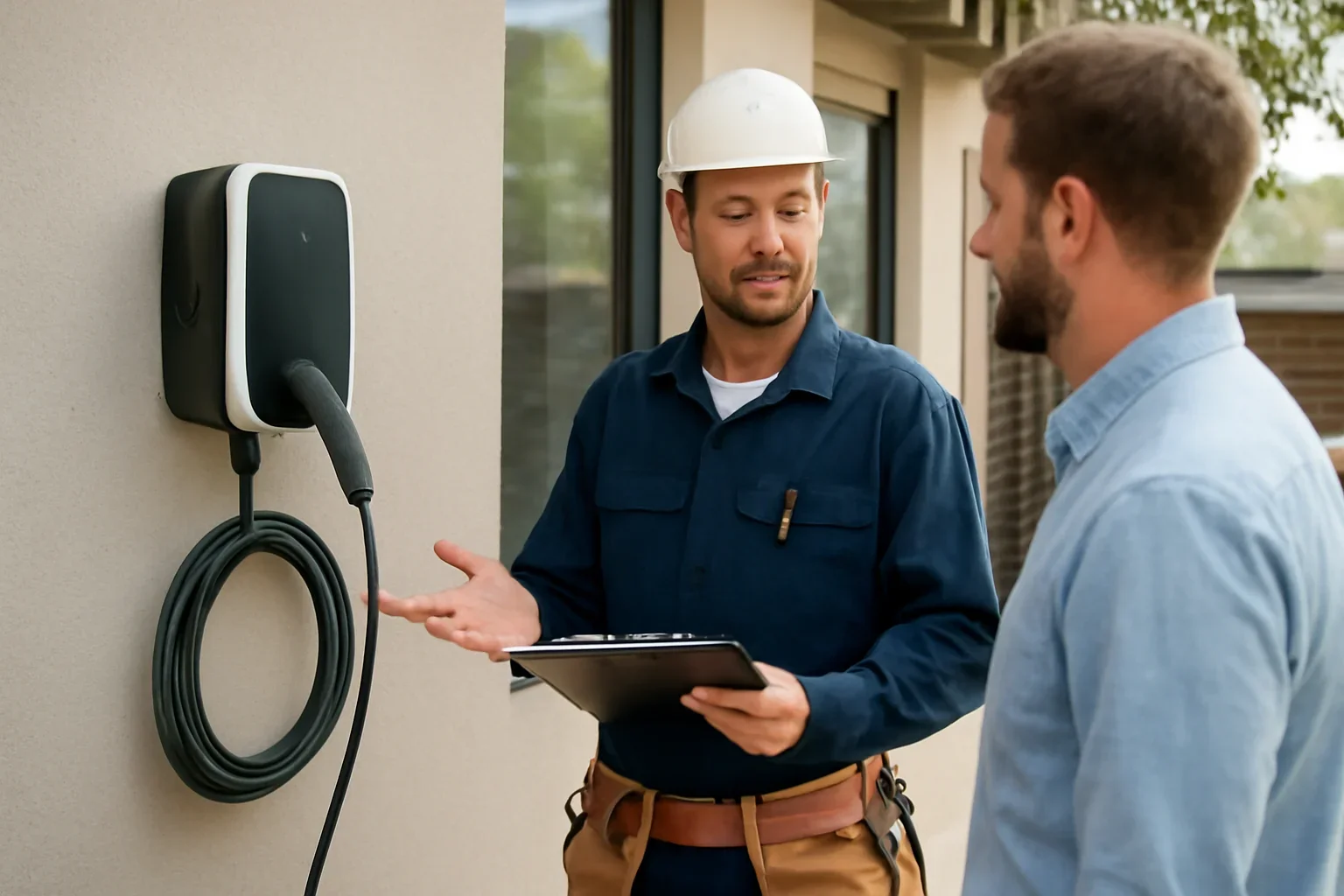
A licensed Saskatchewan electrical contractor should assess problems involving the charger power supply, dedicated circuit, breaker, wiring, disconnect, grounding, connections, or permanently installed equipment. Some faults may be inside the charger or related to the vehicle, software, network, or manufacturer account. A structured diagnosis helps identify which part of the system is actually failing before parts are replaced.
Note exactly when the fault happens: before plugging in, immediately after connection, partway through charging, only during cold weather, or only with one vehicle. That detail can shorten the diagnostic process.
No status light or display can point to loss of supply, a tripped breaker, a failed internal component, a disconnect issue, or another upstream fault.
Repeated trips may involve the charger, circuit, connections, breaker, moisture, heat, wiring damage, or charging configuration. Do not keep resetting a breaker that trips again.
Intermittent charging can involve temperature, communication, vehicle settings, scheduled charging, supply variation, loose connections, network interruptions, or an equipment fault.
Available current, charger configuration, vehicle limits, battery temperature, load management, or a reduced-power fault can all affect the charging rate shown in the vehicle or app.
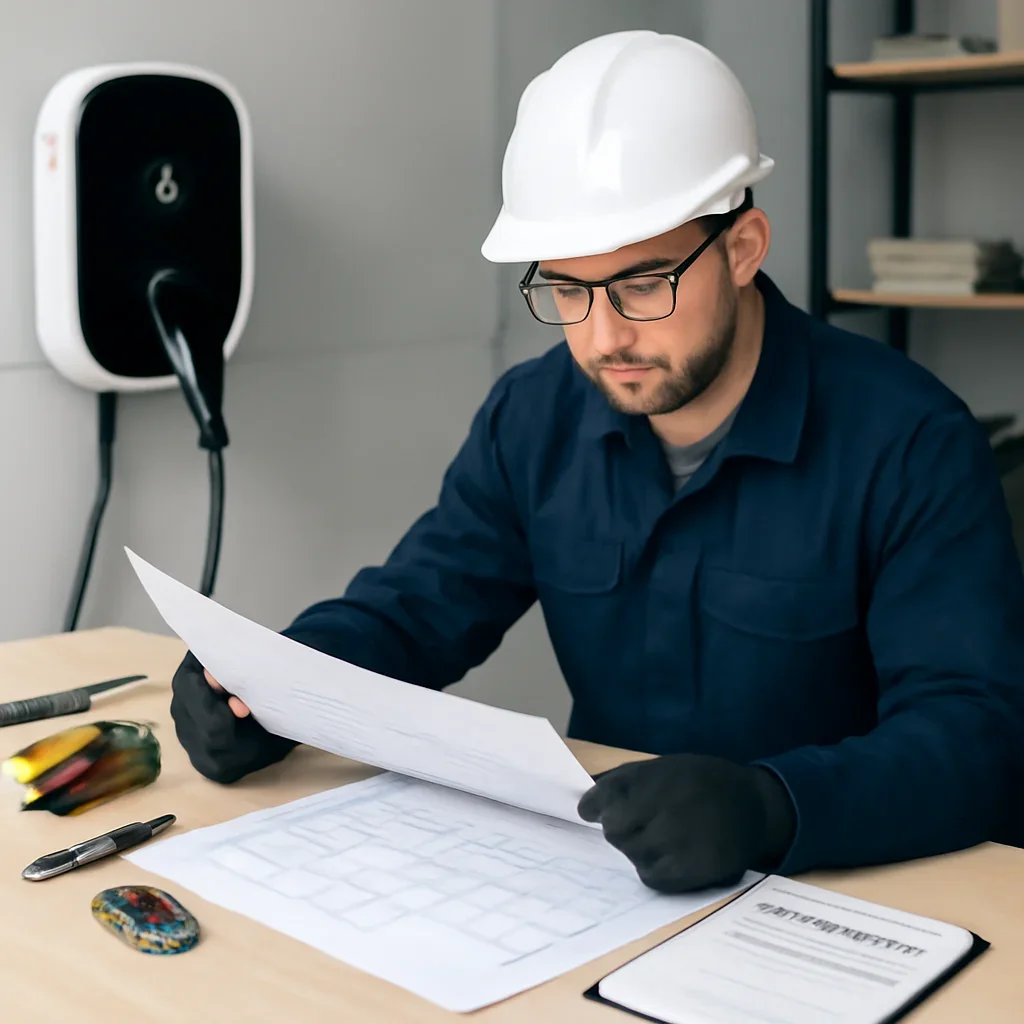
A few observations can help separate a charger fault from a vehicle, scheduling, network, or supply problem. Keep checks visual and follow the charger and vehicle manufacturer’s normal user instructions.
Stop using the charger if there is smoke, a burning smell, unusual heat, sparking, melted plastic, water inside damaged equipment, exposed conductors, or a breaker that repeatedly trips. Do not remove the charger cover or touch damaged electrical parts. Call for urgent electrical help when the area appears unsafe.
Replacing the wall unit will not solve an upstream circuit problem. A useful assessment follows the power path and compares electrical findings with the charger and vehicle information.
The review may include the breaker, conductor size, terminations, available voltage, circuit identification, disconnects, and visible signs of heat or damage where accessible.
Model information, status codes, installation condition, mounting, connector wear, cable damage, configured current, network status, and manufacturer guidance help define the next step.
The vehicle may limit current, delay charging, reject a session, or report a separate fault. Testing patterns help avoid blaming the building wiring for a problem that follows the vehicle.
Need a new charging setup rather than a repair? Review EV charger installation in Regina. If the existing panel cannot support the required load, see electrical panel upgrades.
Regina EV chargers may operate in heated garages, detached garages, parkades, driveways, apartment lots, workplaces, and exposed commercial parking areas. The same fault can behave differently as conditions change.
Very low temperatures can affect battery acceptance, cable flexibility, connector handling, and the time needed to reach a target charge. A slow winter session is not automatically a wiring failure, but recurring fault codes still deserve review.
Outdoor and unheated installations experience blowing snow, meltwater, condensation, and repeated freezing. Damaged seals, cracked enclosures, poor drainage, or an exposed connection can create intermittent problems.
Pedestal chargers and wall units near parking lanes can be struck by vehicles, snowblowers, shovels, or plowing equipment. Bent mounts, damaged conduit, and pulled cables need more than a cosmetic check.
A charger fed through a detached-garage panel or long underground route has more points to assess, including feeder capacity, subpanel condition, trench-related damage, voltage at the equipment, and prior alterations.
After an outage or storm, a charger may require normal user-level restart steps, network reconnection, or further electrical testing. Report whether other circuits or equipment changed at the same time.
At workplaces, apartments, and fleets, one failed port can affect several drivers. Record which ports, vehicles, access cards, or accounts are affected so the visit focuses on the shared failure point.
Some visits end with a circuit or connection repair. Others reveal a failed charger, obsolete equipment, unavailable parts, or a system that no longer fits the vehicle or property.
Good troubleshooting starts with the failure pattern and avoids replacing components before the charger, circuit, and vehicle clues are compared.
Provide the charger brand and model, error code, vehicle, property type, when the fault occurs, and whether there is heat, damage, or breaker activity.
Review the relevant panel, circuit, charger condition, mounting, cable, connector, configuration, and visible installation details.
Compare electrical test results with status codes, manufacturer guidance, vehicle behaviour, and environmental conditions.
Complete the approved scope, arrange replacement when required, test the charging system as appropriate, and explain the result and follow-up needs.
Repair cost depends on the failure, access, charger model, parts, circuit condition, and whether the issue can be confirmed during the visit. A photo and symptom history are more useful than a general message saying the charger is broken.
Share the Regina service address, charger brand and model, vehicle model, error code, breaker behaviour, installation location, and when the problem began. For a commercial or multi-unit charger, include the number of ports affected and whether network access or payment is also failing.
EV charger work can involve permanently installed electrical equipment, dedicated circuits, breakers, wiring, and load changes. When repair or replacement includes electrical installation work, it should be completed by a licensed Saskatchewan electrical contractor under the applicable permit and inspection requirements.
The service visit can establish whether the next step is a minor correction, manufacturer support, charger replacement, circuit repair, or a larger capacity project. For a broader system review, visit electrical inspections in Regina.
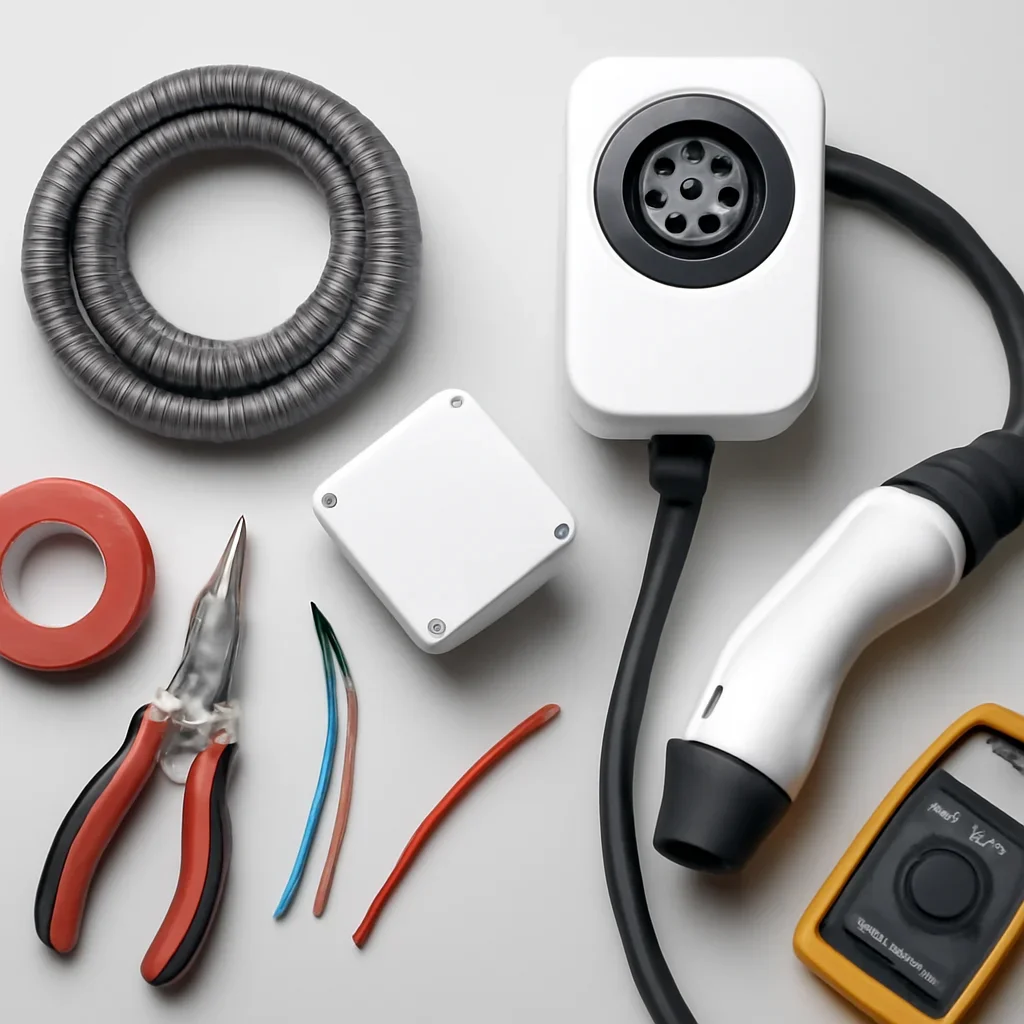

Electrician Regina helps homeowners, landlords, condo boards, property managers, businesses, and fleet operators with EV charger faults in Regina and surrounding communities.
Service requests may involve attached and detached garages in Harbour Landing, Greens on Gardiner, Wascana View, Lakeview, Cathedral, Albert Park, Rosemont, Whitmore Park, Uplands, and Northwest Regina, along with commercial or multi-unit sites throughout the city.
Review the complete Regina electrical service area or explore the full electrical service directory.
Practical answers about dead chargers, breaker trips, slow charging, cold weather, warranties, repair cost, replacement, and service preparation.
A charger with no power may have a tripped or failed breaker, loss of supply, wiring or connection damage, a disconnect problem, an internal charger failure, or another upstream issue. Note whether the charger has any status light and whether other circuits are affected, but do not open the unit.
Repeated trips can involve a charger fault, circuit or connection problem, heat, moisture, wiring damage, breaker condition, or configuration that does not match the installation. Stop using the charger and arrange an electrical assessment instead of repeatedly resetting the breaker.
The cause may be electrical, equipment-related, vehicle-related, scheduled charging, network access, temperature, or communication between the vehicle and charger. Error codes and the point in the session when charging stops are especially helpful for diagnosis.
Cold battery temperature can affect how quickly a vehicle accepts energy, and outdoor equipment can be harder to handle in extreme cold. Slower winter charging does not always mean the circuit is defective. Repeated charger faults, trips, damage, or abnormal heat should still be assessed.
Work involving an EV charger circuit or permanently installed electrical equipment should be handled by a licensed Saskatchewan electrical contractor. TSASK states that EV charger work is not eligible for a homeowner electrical permit and requires a licensed contractor under a contractor permit.
It depends on the failed component. Circuit, breaker, connection, mounting, and supporting-installation problems may be repairable. Some internal charger failures require manufacturer support or full unit replacement, especially when the model is obsolete, damaged, or unsupported.
Cost depends on diagnostic time, charger access, circuit condition, parts, manufacturer support, physical damage, and whether the approved solution is repair, replacement, or an electrical upgrade. Share photos and error details so the likely service scope can be reviewed before the visit.
Commercial and multi-unit requests can be assessed when a port, circuit, pedestal, connector, or supporting electrical system is not working as expected. Network, payment, account, or proprietary software issues may also require support from the charger manufacturer or network provider.
Tell us what the charger is doing, the brand and model, the vehicle, whether a breaker trips, and whether there is an error light, heat, damage, or loss of power. Add photos of the charger, connector, cable, and labelled breaker when it is safe to do so. We can then identify the most useful next step.