Generator system planning
Compare standby and practical portable-generator connection options around expected outage use, generator output, equipment location, access, and the loads that matter most.

Plan backup power around the circuits and equipment that actually need to keep running. Electrician Regina helps White City homeowners, businesses, and property managers review generator options, essential loads, panel capacity, transfer equipment, placement requirements, and the way the system should operate during an outage.

A safe generator project involves more than selecting a unit. The electrician should review the property’s essential loads, generator output, fuel or equipment requirements, panel and service configuration, transfer method, circuit priorities, installation location, permits or inspections that apply, and the operating steps the owner will need to understand.
White City includes established and newer homes, finished basements, attached garages, accessory buildings, home offices, and growing commercial spaces. The right generator setup depends on which parts of the property must remain usable, not simply the building size.
Compare standby and practical portable-generator connection options around expected outage use, generator output, equipment location, access, and the loads that matter most.
Plan approved transfer equipment that keeps generator power separated from utility power and gives the property a clear, controlled method of switching between sources.
Review panel condition, breaker space, service configuration, circuit labels, and whether essential circuits should be reorganized or placed in a dedicated backup-power section.
Consider surge protection, sensitive electronics, controls, appliances, and other connected equipment while the backup-power and panel work is being planned.
Review visible service equipment, panels, circuits, alterations, and problem areas before connecting a generator to an existing electrical system.
Plan backup power for lighting, communications, refrigeration, controls, office equipment, security systems, and other business-critical loads without assuming every circuit must run.
Not sure what size or type of generator is appropriate? Share the White City property type, panel photos, equipment list, and the circuits you want available during an outage.
Start with the essential loads
A household that needs heat controls, refrigeration, a few lights, internet, and a sump or drainage pump where present has a different requirement from a home with a workshop, larger mechanical loads, or extensive home-office equipment. A business may need a smaller group of carefully selected circuits rather than whole-building power.
For broader local coverage, review the White City electrical service area.
Generator sizing should follow a realistic load list and starting requirements for motors or equipment. Running every appliance at once may not be necessary, while overlooking one important circuit can make the system less useful during the outage it was installed to handle.
Identify heating controls, medical equipment, drainage pumps, alarms, security, and other loads that protect people or the property.
Review refrigeration, freezers, selected kitchen receptacles, water-related equipment, lighting, and other basic household needs.
Include internet equipment, home-office circuits, phones, security, and the systems needed to communicate or continue essential work.
Motors, compressors, pumps, furnaces, and some commercial equipment may draw more power when starting than while running.
Winter heating priorities may differ from summer cooling, refrigeration, or storm-related needs, so the operating plan should account for the season.
Some systems can prioritize essential circuits or prevent selected high-demand loads from running together when generator capacity is limited.
The process should establish what the generator must power, how it connects, what site coordination is required, and how the owner will safely operate or maintain the finished system.
Describe the property, outage concerns, essential circuits, fuel or generator preference, timing, and whether the project is residential or commercial.
Review the panel, service, circuits, starting loads, equipment specifications, possible generator location, cable route, and transfer-equipment options.
Define the generator connection, essential circuits, panel work, transfer method, permits or inspections, site preparation, and any work by other trades.
Complete the approved electrical work, test the system as appropriate, label equipment, and review the operating sequence and maintenance responsibilities.
Some White City properties benefit from an automatic standby system. Others may be better served by a properly planned portable generator connection and manual transfer arrangement. The choice depends on outage frequency, essential loads, automation needs, storage, placement, fuel, budget, maintenance, and who will operate the system.
Related planning is available through generator installation and transfer switch installation.
Does the system need to start and transfer automatically when nobody is present?
Which loads truly need backup, and can high-demand equipment be left off?
Where can equipment be placed, and what fuel, storage, clearance, or access applies?
Who will run, test, maintain, and prepare the system for seasonal outages?
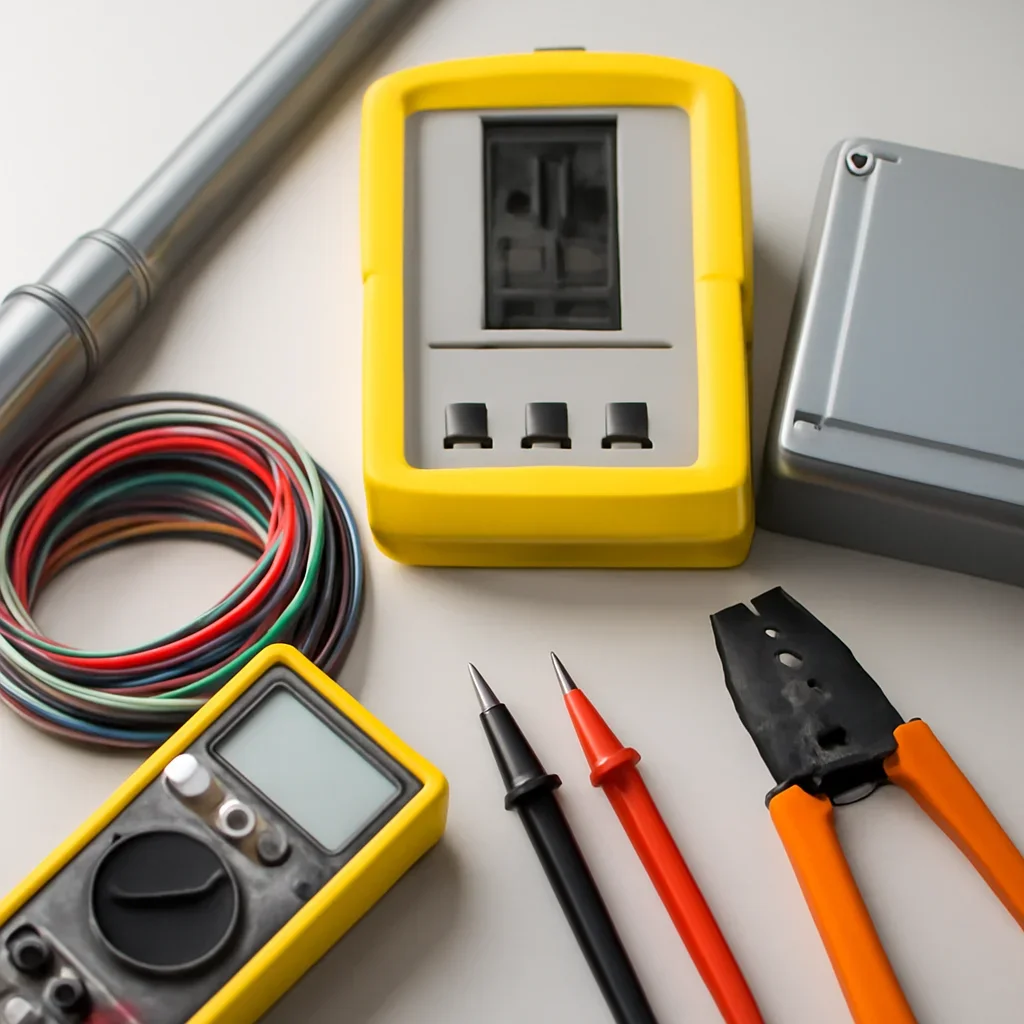
A generator must not energize utility lines or expose occupants and workers to an unsafe connection. Use approved transfer equipment and follow the manufacturer’s requirements for placement, ventilation, fuel, operation, and maintenance.
Immediate danger: Move away from smoke, fire, active sparking, exposed energized parts, or damaged electrical service equipment. Call emergency services when people or property are in immediate danger, and call 639-710-0400 to explain the electrical symptoms.
Before requesting a quote, list the circuits and equipment you want available, note whether automatic operation matters, and share clear photos of the electrical panel, service area, possible equipment location, and route between the generator and electrical equipment.
You can also review White City panel upgrades, surge protection, and the White City service area.

Practical answers about generator sizing, transfer switches, standby and portable options, electrical panels, quotes, testing, and safe outage operation.
Generator size should be based on the circuits and equipment that must operate, their running demand, starting requirements, and whether loads will run together. A realistic essential-load list is more useful than choosing a generator only by house size or panel rating.
A property-connected generator needs approved equipment that safely transfers the selected loads between utility and generator power. The correct transfer method depends on the generator, panel, circuits, automation requirements, and whether the system is intended for selected circuits or broader panel backup.
Standby systems can provide automatic operation and greater convenience, while a planned portable connection may suit properties that can accept manual setup and a smaller essential-load plan. The decision should consider outage priorities, fuel, placement, storage, maintenance, cost, and who will operate the system.
Sometimes. The project may require transfer equipment, a generator inlet, dedicated breakers, circuit reorganization, an essential-load panel, labelling, or other panel work. A full panel replacement is not automatically required; the scope depends on the existing equipment and planned backup method.
It can be possible when the generator and electrical system are designed for the required load, but whole-house backup does not mean every high-demand appliance should run at the same time. Load management or operating priorities may still be needed to keep demand within the system’s rating.
Yes. Send the White City address, property type, panel photos, essential-load list, outage concerns, preferred automation level, possible equipment location, and timing. A site assessment may still be required before an accurate scope or quote can be prepared.
Share the service address, property type, essential circuits, panel photos, preferred generator option if known, possible equipment location, and target timing. Electrician Regina can review the details and identify the most useful next step.
Add convenient home charging without guessing at circuit size or panel capacity. Electrician Regina reviews the charger specifications, vehicle charging limits, existing electrical service, cable route, garage or driveway location, and future household demand before recommending the installation.

Most faster home-charging projects use Level 2 equipment supplied by a dedicated 240-volt circuit. The correct circuit, conductor, breaker, charger setting, and installation method depend on the vehicle, the selected charger, available panel capacity, service size, cable distance, and the other electrical loads in the home.

White City continues to grow and includes new homes, renovated properties, finished basements, attached and detached garages, outdoor parking, and homes adding equipment that can increase electrical demand.
The useful question is not simply whether a charger can be mounted on a wall. The project should account for where the vehicle parks, how the charging cable reaches it, whether the garage is finished, how far the panel is from the charger, and what other major loads operate at the same time.
Review the White City electrical service area for local coverage information.
A useful plan connects the vehicle, charger, home electrical system, parking location, and future needs instead of treating the charger as an isolated device.
Installation planning for compatible Level 2 chargers, dedicated circuits, wall mounting, setup requirements, and practical everyday charging access.
Assessment of service size, panel condition, breaker space, existing demand, and whether an upgrade or another capacity solution should be considered.
Circuit planning based on charger output, manufacturer requirements, conductor route, overcurrent protection, installation method, and distance.
Early-stage planning for business parking, multiple chargers, shared electrical capacity, operating schedules, user access, and future expansion.
A closer look at panels, circuits, previous alterations, garage wiring, and visible concerns before adding a continuous vehicle-charging load.
Coordinate conduit, cable routing, panel work, wall finishing, garage changes, or future-ready wiring while other renovation work is already underway.
Charging speed should be matched to daily travel, overnight parking time, vehicle limits, available capacity, installation cost, and future plans.
A standard 120-volt charging cord may suit low daily mileage or plug-in hybrids, but charging is slower and the existing circuit still needs to be suitable for sustained use.
A dedicated 240-volt circuit provides faster home charging. Actual charging speed is limited by the vehicle, charger settings, circuit size, and onboard charging capability.
A hardwired charger can reduce plug-and-receptacle connections and may suit a permanent garage or outdoor location when supported by the product instructions.
A plug-in charger can offer equipment flexibility, but the receptacle, enclosure, circuit, mounting, and cord arrangement must be appropriate for the charger and location.
Where service capacity is limited, compatible load-management equipment may help control charging demand. Suitability depends on the home and equipment.
Consider a second EV, a larger vehicle, solar, a hot tub, electric heating, a renovation, or other loads before finalizing the circuit and cable route.
The charger price is only one part of the project. Labour and materials depend heavily on the panel, cable route, installation surface, distance, charger output, parking position, and whether walls or exterior areas must be crossed.
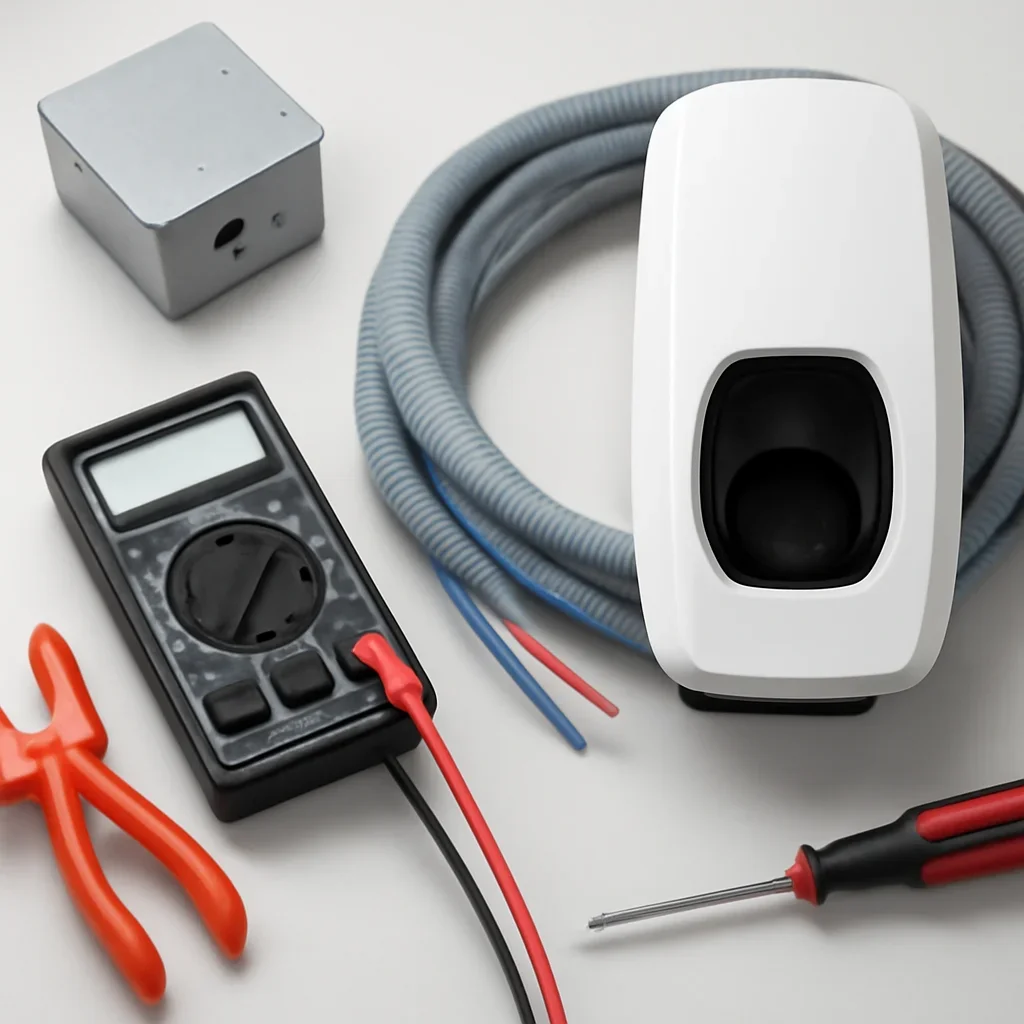
The process starts with the charging need and property details, then moves through electrical assessment, scope approval, installation, and testing.
Provide the vehicle, charger model, preferred charging speed, parking position, property address, and photos of the proposed installation area.
The panel, service, existing demand, breaker space, cable path, mounting surface, garage layout, and outdoor exposure are reviewed.
Circuit size, installation method, charger setting, required electrical work, permit or inspection needs, and any capacity solution are explained.
Approved work is completed, the charger is set up as applicable, and the circuit and charging operation are checked before closeout.

Good installation work is more than mounting the unit. It should connect the equipment instructions, circuit design, property conditions, permit path, and actual charging use into one clear scope.
White City maintains municipal permit information for new homes, renovations, basement development, accessory buildings, commercial projects, and other property work. The electrical permit and inspection path should be confirmed for the final EV charging scope before installation begins.
Clear answers about charging speed, panel upgrades, hardwired equipment, outdoor installation, permits, and preparing an accurate quote.
It depends on daily driving, the vehicle, overnight parking time, and how quickly the battery needs to recover. Level 1 may be enough for lighter use, while Level 2 is commonly chosen when faster, more predictable overnight charging is needed.
Not every installation requires an upgrade. The decision depends on service size, panel condition, breaker space, existing demand, charger output, and whether a suitable load-management option is available. The system should be assessed before the charger circuit is selected.
Neither option is universally better. Hardwired equipment may suit a permanent indoor or outdoor installation. Plug-in equipment may offer more flexibility, but it requires a suitable receptacle, enclosure, circuit, and cord arrangement. The charger instructions and site conditions should guide the choice.
Yes, when the charger and installation method are approved for the exposure. Placement should consider weather, snow, impact risk, cable reach, drainage, mounting, vehicle position, and whether the connector can be used without creating a trip or snow-clearing obstruction.
A new dedicated charging circuit is permanent electrical work, so applicable electrical permit and inspection requirements should be confirmed for the project. Related municipal approval may also need review when the work is coordinated with a renovation, garage, commercial, or other property project.
Send the White City address, vehicle details, charger model, preferred location, panel photos, approximate panel-to-charger distance, parking position, and information about major electrical loads. Photos often help determine whether an on-site assessment is needed.
Share the vehicle, charger model, panel photos, parking location, preferred mounting point, and approximate cable distance. Electrician Regina can review the information and identify the most useful next step for the property.