Controlled backup from a portable generator
A manual transfer setup can support selected circuits or loads after the generator is positioned and started. The user follows the approved operating sequence and manages which loads run together.

Connect a portable or standby generator without feeding power back toward the utility system. Electrician Regina plans transfer equipment around your panel, generator, essential circuits, property layout, and the loads you actually need during a Regina power outage.

A transfer switch changes a property’s selected electrical supply from normal utility power to generator power while keeping the two sources isolated. This prevents unsafe backfeeding and provides a controlled way to energize approved circuits or loads during an outage. The switch type and rating must match the generator, service, panel, and intended backup-power plan.
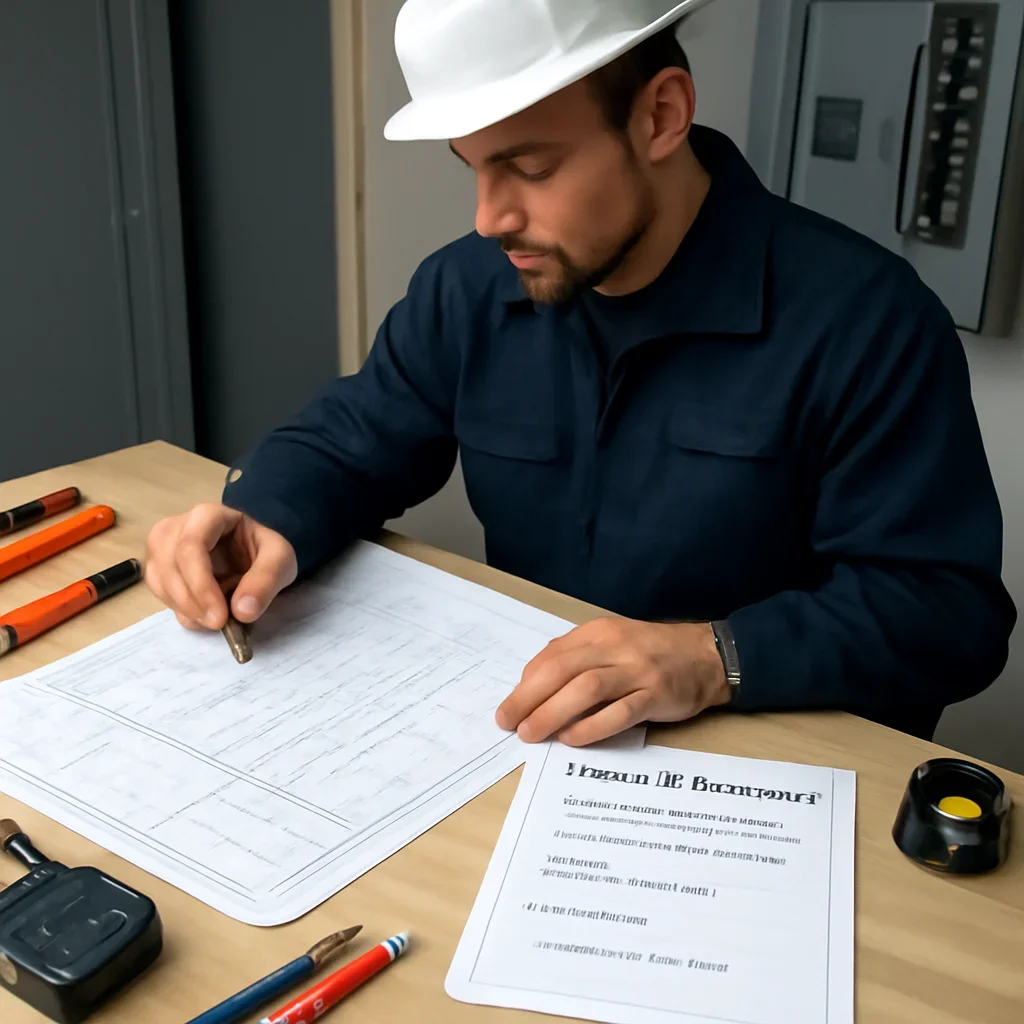
The right setup depends on whether you need a few essential circuits, a larger group of household loads, or automatic backup for a business or managed property. Generator size alone does not determine what can operate safely at the same time.
Already choosing a generator? Review our generator installation service. If the panel is crowded, damaged, or undersized for other planned work, an electrical panel assessment may also be useful.
Do not connect a generator directly to a panel, receptacle, or building wiring without approved transfer equipment. Improvised connections can energize wiring unexpectedly, create fire and shock hazards, and send power toward utility lines.
Manual and automatic systems solve different problems. The equipment must be approved for the installation, correctly rated, and coordinated with the existing service and distribution system.
A manual transfer setup can support selected circuits or loads after the generator is positioned and started. The user follows the approved operating sequence and manages which loads run together.
An automatic transfer switch works with a compatible standby generator to detect loss of utility power, transfer the approved load, and return the property to utility power when normal service is restored.
A selected-load approach can reduce generator demand by separating essential heating, refrigeration, lighting, pump, communication, or business circuits from high-demand equipment that is not required.
Backup power is easier to use when everyone understands what the generator is intended to carry and which loads should remain off during an outage.
Regina can face extreme cold, blizzards, severe thunderstorms, high winds, and other events that disrupt utilities. A useful system considers the season, building type, occupants, and consequences of losing power.
Many gas-fired furnaces and boilers still depend on electrical controls, ignition, pumps, or blowers. The exact heating load should be confirmed rather than assumed.
Portable and standby equipment must remain accessible during snow and extreme cold. Placement, connection points, snow clearing, and maintenance access should be considered before winter.
Where a property relies on a sump pump, lift pump, or other drainage equipment, the starting load and expected run time may be an important part of the backup-power plan.
Established homes and mixed-use properties may have limited panel space, older distribution equipment, or previous alterations that should be assessed before new transfer equipment is added.
Restaurants, clinics, offices, shops, rental properties, and warehouses may prioritize different loads. The system should be based on operational consequences, not a generic appliance list.
Combustion generators must be operated in accordance with manufacturer requirements and kept away from enclosed or occupied areas so exhaust does not enter the building.
Clear information about the generator, panel, fuel source, and required loads helps define the project before equipment is purchased.
Identify the property type, generator model, preferred operation, critical circuits, outage concerns, and whether manual or automatic transfer is expected.
Review the service, panel, grounding and bonding, available space, wiring route, generator connection, and the loads expected to operate together.
Select approved equipment, define any panel or feeder changes, address inspection requirements, and explain the approved operating arrangement.
Complete the approved work, identify circuits and controls, test the transfer operation, and review the safe startup and shutdown sequence.
A backup generator system involves transfer equipment, building wiring, and work near service or distribution equipment. In Saskatchewan, this work must be completed under the authority of a licensed electrical contractor’s permit.
The permit scope depends on the generator and installation. Permanently installed generator permits include the electrical work through the transfer switch, and larger generator systems may require inspection coordination before operation. A site review helps identify these requirements early.
For concerns with the existing panel or wiring, arrange an electrical assessment. Commercial and managed-property projects can also begin through our commercial electrical service.
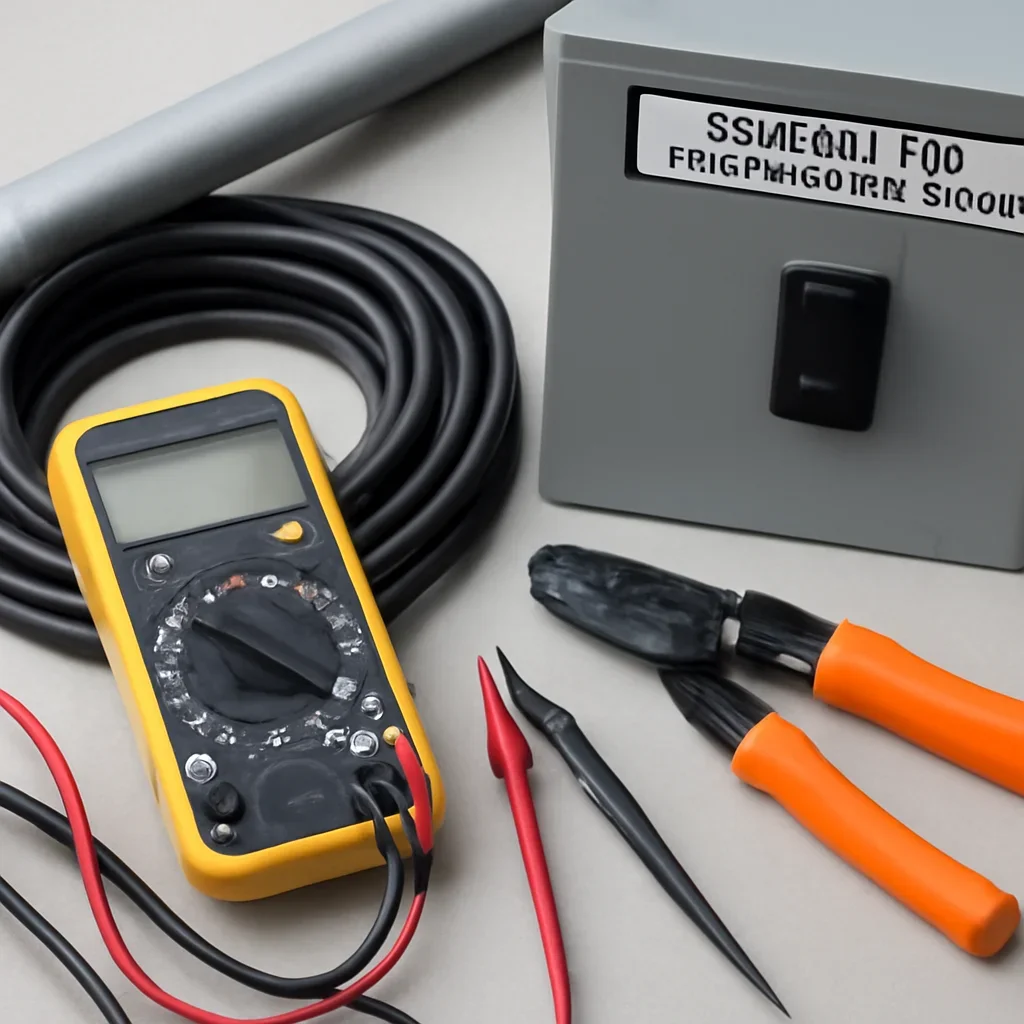
Transfer switch pricing depends on generator type and output, service and panel configuration, selected circuits, equipment location, cable route, automatic controls, permits, and any required distribution changes.
Photos can help identify the likely next step, although an on-site assessment may still be required before a final scope is prepared.

Electrician Regina supports transfer switch and generator electrical work for homeowners, businesses, landlords, property managers, rural-style properties, and managed sites throughout Regina and the surrounding area.
Service requests may come from established homes in Lakeview, Cathedral, Douglas Place, Whitmore Park, and Rosemont; newer properties in Harbour Landing, Greens on Gardiner, and Wascana View; commercial sites across the city; and nearby properties in White City, Emerald Park, and Pilot Butte.
Review the complete electrical service area or explore our full electrical service directory.
Practical answers about manual and automatic transfer switches, generator sizing, essential loads, permits, older panels, and project pricing.
A generator supplying building wiring requires approved transfer equipment that keeps generator power isolated from utility power. Do not connect a generator to a home through an improvised cord or receptacle. The correct transfer method depends on the generator, service, panel, and circuits being supplied.
A manual transfer switch is operated by the user after a compatible generator is positioned and started. An automatic transfer switch works with a compatible standby generator and transfers the approved load when utility power fails. Automatic systems generally involve more equipment, controls, and project coordination.
It may be possible when the generator, transfer equipment, branch circuit, and furnace electrical requirements are compatible. Many gas-fired heating systems still need electricity for controls, ignition, pumps, or blowers. The actual load and starting characteristics should be reviewed before the circuit is included.
That depends on generator output, service size, calculated demand, and which loads may run together. High-demand equipment such as electric heat, ranges, dryers, large air conditioners, pumps, and vehicle chargers can exceed the available generator capacity. Selected essential circuits or load-management controls may be more practical.
Yes. Backup generator electrical work must be performed by a licensed Saskatchewan electrical contractor under a contractor’s permit. The permit and inspection requirements depend on the generator size and installation.
Sometimes, but the panel condition, listing, available space, service configuration, previous alterations, grounding and bonding, and equipment compatibility must be reviewed. A panel repair or upgrade may be the safer option when the existing equipment cannot support the proposed installation.
Cost depends on the generator, manual or automatic operation, transfer equipment rating, selected circuits, panel configuration, wiring distance, generator connection location, permits, and related electrical changes. Photos and generator specifications can help begin the quote, but an on-site assessment may be required.
Existing equipment can be assessed when it does not transfer correctly, trips breakers, shows heat damage, has loose or damaged components, or has not been tested for a long time. If there is smoke, arcing, burning odour, exposed wiring, or overheating, stop using the system and call an emergency electrician.
Tell us whether you have a portable or standby generator, which loads must stay powered, and where the generator and panel are located. Include the generator model and clear panel photos when available so the request can be reviewed efficiently.