Electrical panel and service review
Assess the service, panel condition, breaker space, bus and equipment ratings, existing demand, available connection options, and whether panel or service work should be considered.

Plan a residential or commercial solar project around roof or ground conditions, shading, snow, current electricity use, electrical-panel capacity, inverter and disconnect placement, utility interconnection, future EV charging, and realistic long-term goals. Electrician Regina reviews the electrical side of the property before defining the most practical next step.

Before equipment is purchased, review the property’s electricity use, roof or ground-mount suitability, shading, structural and roofing condition, service and panel capacity, proposed array size, inverter location, cable route, disconnects, grounding and bonding, utility application requirements, permits, inspections, and plans for future loads such as an EV charger, hot tub, addition, or electric heating.
The array, inverter, electrical service, meter, panel, disconnects, wiring route, utility process, and property’s current and future electricity use must work as one connected system.
Assess the service, panel condition, breaker space, bus and equipment ratings, existing demand, available connection options, and whether panel or service work should be considered.
Coordinate equipment location, working space, weather exposure, conductor routes, overcurrent protection, disconnecting means, labelling, and the connection between solar equipment and the property electrical system.
Review whole-property and equipment-protection options alongside the service, inverter, grounding and bonding, sensitive electronics, and other connected electrical equipment.
Review available electricity-use history, seasonal patterns, occupancy, daytime consumption, efficiency projects, and whether future electrical loads are likely to change the target system size.
Consider expected driving, charging time, charger capacity, household demand, panel planning, and whether future EV use changes how the solar and electrical project should be staged.
Plan around roof or site access, operating schedules, electrical distribution, demand patterns, tenant or owner responsibilities, shutdowns, equipment rooms, and future business growth.
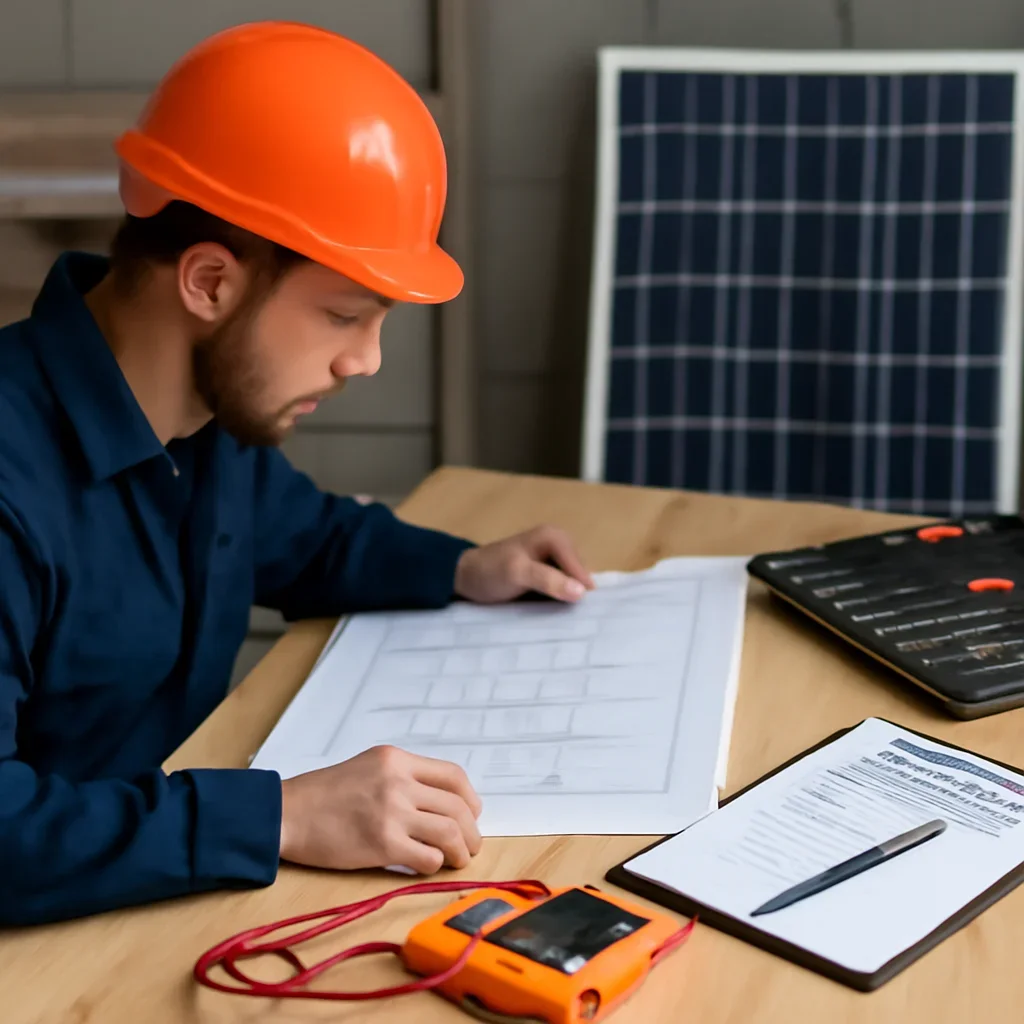
Regina solar planning should account for winter snow, freeze-thaw conditions, roof age, wind exposure, nearby trees, neighbouring structures, vents, chimneys, roof edges, service access, and how safely equipment can be reached over its operating life.
Solar production changes through the year. Array orientation, tilt, shade, snow cover, temperature, equipment, system design, outages, and actual site conditions all affect generation. A proposal should use site-specific assumptions rather than a guaranteed output claim.
The most useful system is not automatically the largest array that fits. Current electricity use, daytime consumption, future loads, available space, interconnection limits, budget, and ownership plans should shape the decision.
Consider annual and seasonal consumption, occupancy, renovations, air conditioning, hot tubs, electric appliances, home offices, future EV charging, and how long you expect to own the property.
Daytime loads, seasonal operations, tenant arrangements, roof access, demand changes, planned equipment, and maintenance responsibilities can affect project fit and system sizing.
Ground-mounted systems, detached garages, shops, barns, and other structures may involve longer cable routes, underground work, property-use conflicts, snow management, and different service access.
A grid-connected solar project should follow the current utility application, equipment, metering, approval, commissioning, and interconnection process. Program rules and compensation can change, so current requirements should be checked before equipment is purchased or savings are presented as certain.
Many grid-connected systems are designed to stop exporting or energizing during a utility outage. Backup operation requires a specifically designed system with compatible inverter, controls, isolation, storage or other backup equipment, and an approved operating strategy.
Good planning reduces equipment changes, connection delays, unrealistic production expectations, avoidable panel work, and confusion between the roofing, structural, solar, electrical, and utility parts of the project.
Discuss the property, utility-use history, roof or ground area, ownership plans, budget direction, future loads, preferred timing, and whether backup power is part of the goal.
Review shading, roof or mounting conditions, service, panel, equipment locations, cable routes, grounding and bonding, access, and likely interconnection constraints.
Confirm equipment, array and electrical design, utility application, permits, inspection path, shutdown needs, labelling, and responsibilities between contractors and property owner.
Complete approved work, coordinate required inspections and utility steps, verify operation as appropriate, and review monitoring, shutdown information, documentation, and future service access.
A solar conversation is more productive when it includes electricity use, roof or site photos, panel information, future electrical plans, and any existing proposal or equipment list.
The neighbourhood name does not determine whether solar is a good fit. Roof condition, orientation, shade, service equipment, available space, utility requirements, building use, and future plans matter more.
Review home electricity use, roof and garage conditions, panel capacity, future renovations, EV charging, hot tubs, air conditioning, and how long the owner expects to remain in the home.
Homes in Cathedral, Lakeview, Rosemont, Albert Park, Whitmore Park, and other established areas may need roof-condition, service, panel, prior-renovation, and mature-tree shading review early.
Properties in Harbour Landing, Greens on Gardiner, Wascana View, White City, Emerald Park, and Pilot Butte may be planning solar alongside EV charging, finished basements, workshops, or other new loads.
Review the complete Regina electrical service area .

A trustworthy solar discussion should identify what is known, what still needs verification, which contractors or approvals are involved, and how electricity use, shade, snow, equipment, roof condition, and future loads affect the proposal.
Available utility history, seasonal use, daytime consumption, efficiency projects, and future loads help define realistic goals.
Service, panel, connection method, equipment ratings, cable routes, disconnects, grounding and bonding are considered together.
Roof or ground area, shade, snow, orientation, mounting location, access, and equipment position are not treated as generic.
Utility, metering, interconnection, application, and compensation details are checked against the current program before commitments.
EV charging, renovations, electrical heating, hot tubs, workshops, batteries, and other planned loads can change the strategy.
Approved drawings, labels, equipment information, inspection records, monitoring access, and shutdown details support future service.
For condition verification, review electrical inspections in Regina . For related backup-power planning, explore generator installation .
Practical answers about panel upgrades, snow, outages, roof age, utility connection, savings, EV charging, quotes, and local service.
Not automatically. The service, panel condition, equipment ratings, breaker space, existing demand, proposed solar connection, and future loads must be reviewed. The result may be an acceptable existing connection, panel work, service work, equipment changes, or a different system design.
Solar equipment can generate electricity during winter when sunlight reaches the array, but production varies with shorter days, sun angle, weather, snow cover, shade, temperature, system design, and site conditions. Monthly production should not be treated as constant.
Standard grid-connected solar does not automatically provide backup power. Many systems must stop operating during a utility outage. Backup operation requires compatible equipment, approved isolation and controls, and a system specifically designed for that purpose.
Roof age, condition, remaining service life, material, warranty, leak history, and future replacement plans should be reviewed before installation. Removing and reinstalling solar equipment for later roofing work can add scope and cost.
The process can include system design, utility application and review, equipment documentation, electrical permits, installation, inspection, metering or interconnection steps, and authorization before normal grid-connected operation. Current requirements should be confirmed for the specific project.
Solar may offset part of a property’s electricity use, but the result depends on consumption, system size, production, shade, snow, rates, fixed charges, program rules, equipment performance, and future use. A proposal should not promise a zero bill or fixed payback.
It can be useful to review them together because vehicle use, charger capacity, charging time, panel demand, future electricity consumption, and project staging can affect the electrical and solar plan. The EV may increase total annual use even when charging occurs outside peak solar-production hours.
Share electricity-use history when available, roof or site photos, roof age and material, panel photos, existing proposals or equipment lists, known shade, future EV or renovation plans, property type, location, and the result you want the project to achieve.
Requests are reviewed across Regina neighbourhoods and listed nearby communities, including White City, Emerald Park, and Pilot Butte. Scope and scheduling depend on the property, project stage, equipment, access, electrical system, and required coordination.
Send electricity-use information when available, roof or site photos, panel photos, an existing solar proposal or equipment list, known shade, future EV or renovation plans, and preferred timing. Electrician Regina can then review the electrical readiness and most useful next step.