Backup-power troubleshooting in Regina

Generator repair in Regina for backup power that does not perform as expected

Request help when a standby or portable-generator connection system will not transfer power, selected circuits remain off, breakers trip, alarms appear, charging components fail, or the property-side wiring and transfer equipment need assessment. Electrician Regina reviews the generator connection, electrical distribution, loads, controls, and transfer path before recommending the next step.

  • Standby and portable connection systems
  • Transfer and property-side troubleshooting
  • Regina and nearby communities
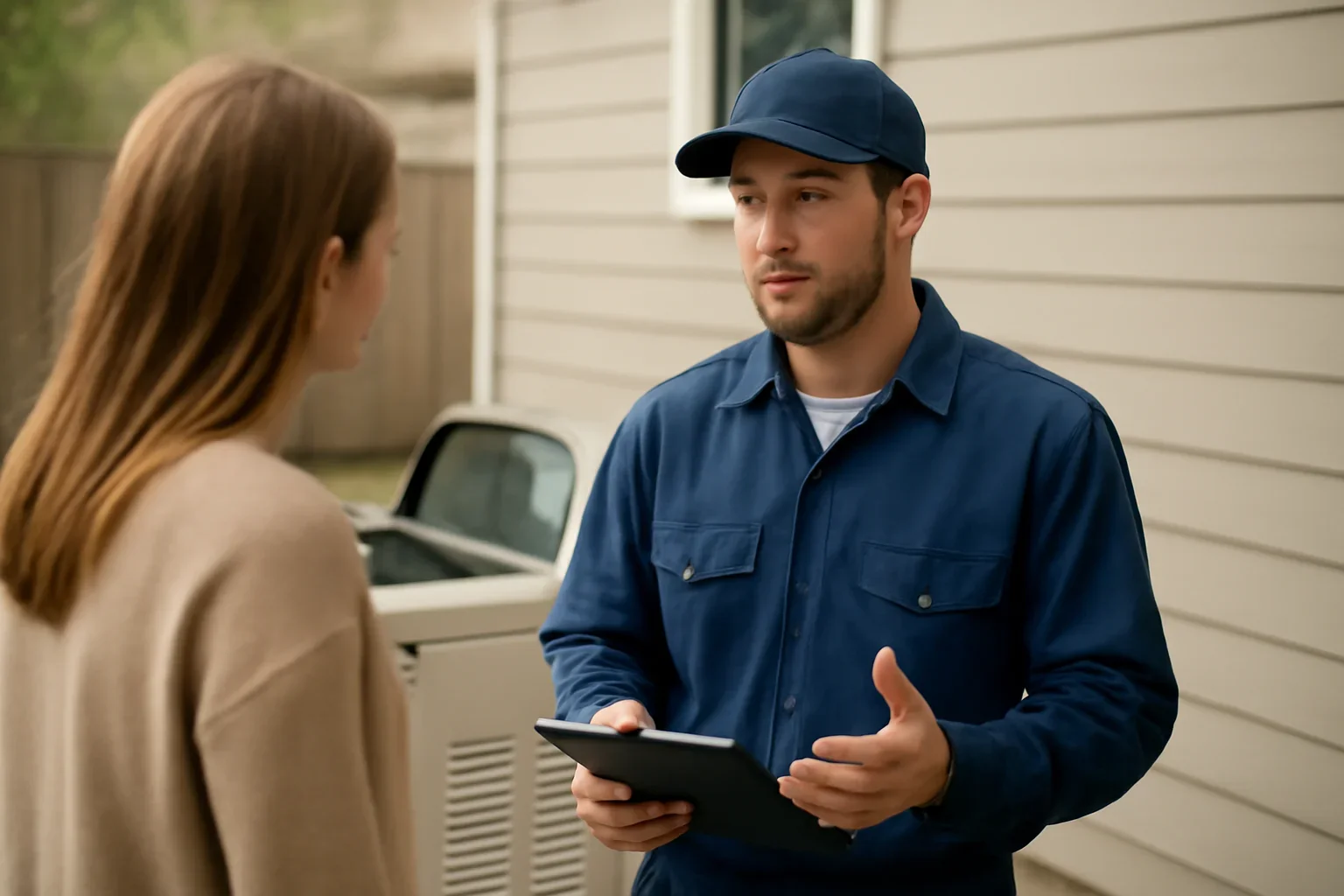
Electrician reviewing a backup generator electrical problem at a Regina property

What can an electrician check during generator repair?

An electrician can assess the transfer switch, generator breaker, power inlet, wiring, panel connections, selected circuits, control and charging power, load behaviour, and the electrical path between the generator and property. Engine, fuel, exhaust, or manufacturer-specific mechanical faults may also require a generator technician or authorized equipment service provider.

Immediate safety concern

Stop using equipment that is smoking, sparking, leaking, or overheating

Keep people away from the affected generator, transfer equipment, cords, inlet, wiring, or panel. Active fire, heavy smoke, suspected carbon-monoxide exposure, or immediate danger requires emergency services. Never improvise a connection or feed generator power through a household receptacle.

Useful service boundary

Generator repair may involve more than one trade

Electrical faults can occur in transfer equipment, breakers, controls, wiring, charging power, or property distribution. Mechanical faults can involve the engine, starter, fuel delivery, cooling, or manufacturer-specific components. A clear first assessment helps identify the right repair path.

Common generator problems

Start with the symptom, not an assumed replacement

A generator can run without powering the building, fail to transfer, trip when loads are added, display a fault, or lose control power. Each symptom points to a different group of possible causes.

No backup power

Generator runs but the property stays dark

Review the generator breaker, transfer position, power inlet, conductors, panel connection, selected circuits, and whether generator output is reaching the building.

Transfer fault

Transfer switch does not operate normally

Assess utility sensing, control power, switch position, wiring, breakers, automatic-start signals, and the transfer equipment involved in moving loads between sources.

Load problem

Breakers trip when circuits are added

Compare connected loads with generator and circuit capacity, identify motor or equipment startup demand, and determine whether a fault or overload is involved.

Control or charging

Battery, charger, or control-power concerns

Check whether the generator receives the property-side power needed for battery charging, heaters, controls, monitoring, or other manufacturer-required standby functions.

Visible damage

Damaged wiring, inlet, breaker, or connection

Inspect accessible electrical components after impact, moisture, corrosion, overheating, loose connections, construction work, or other damage affecting the backup-power path.

System condition

Backup-power safety assessment

Review visible transfer equipment, panel connections, labels, wiring methods, dedicated circuits, and previous alterations when the installation history or condition is unclear.

Electrician reviewing generator transfer equipment and winter backup-power readiness for a Regina property
Regina outage readiness

Cold weather can expose weak points before an outage does

Regina winter conditions can make battery condition, charging power, cold-weather accessories, outdoor access, enclosure clearance, snow accumulation, and scheduled exercise results more important. The generator should be assessed before dependable backup power is urgently needed.

  • Generator misses a scheduled exercise or reports a recurring alarm
  • Battery charging or cold-weather accessory power appears unreliable
  • Transfer equipment does not complete its normal test sequence
  • Outdoor wiring, conduit, enclosure, or connections show visible damage
  • Snow, ice, landscaping, fencing, or stored items restrict safe service access
  • The household or business has added electrical loads since the system was planned

Follow the equipment manufacturer’s operating and maintenance instructions. Generator testing, service intervals, clearances, fuel-system work, and cold-weather accessories vary by model. Electrical review does not replace required engine or manufacturer service.

Choose the right repair path

Electrical generator service versus mechanical generator service

Clear service boundaries reduce delays and prevent the wrong parts from being replaced. Some calls are electrical, some are mechanical, and some require coordination between both.

Electrician Regina can assess the electrical side

  • Transfer switch and automatic-transfer control wiring
  • Generator breaker, inlet, disconnect, and panel connections
  • Selected circuits, essential-load panels, and load behaviour
  • Control, charging, monitoring, or accessory power from the property
  • Damaged electrical wiring, connections, labels, or enclosures
  • Permit, inspection, repair, or replacement planning for electrical work

A generator technician may be needed for equipment-side faults

  • Engine will not crank, start, or remain running
  • Fuel-delivery, regulator, carburetion, or fuel-quality concerns
  • Oil-pressure, coolant, exhaust, or internal engine faults
  • Manufacturer-specific controller or engine error codes
  • Mechanical vibration, unusual engine noise, or internal damage
  • Scheduled engine maintenance and manufacturer warranty service

When replacement or a new backup-power system is the better path, review generator installation in Regina .

Repair process

A more useful generator troubleshooting process

Good troubleshooting starts with the last known normal operation, what happened during the outage or test, which loads were affected, and what the generator or transfer equipment displayed.

Share the system and symptoms

Provide generator make and model, property type, transfer-equipment details, alarm or fault information, recent service history, and what happened during the last outage or test.

Separate generator and property faults

Determine whether the issue appears to involve engine operation, generator output, controls, transfer equipment, wiring, distribution, or connected loads.

Review repair options

Explain the electrical findings, immediate safety concerns, required parts or testing, and whether generator-specific mechanical service or replacement planning is also needed.

Repair, test, and document

Complete approved electrical work, check operation as appropriate, and review any restrictions, maintenance needs, or follow-up work before the system returns to standby use.

Prepare for the service call

Send the details that make generator diagnosis more efficient

Generator repair is easier to scope when the request identifies the equipment, transfer system, affected loads, recent alarms, and what changed before the problem appeared.

Helpful information to include

  • Generator make, model, and approximate age
  • Standby or portable generator connection type
  • Manual or automatic transfer equipment
  • Exact alarm, display, or fault-code wording
  • Whether the generator starts and stays running
  • Whether any property circuits receive power
  • Which breakers, loads, or equipment are affected
  • What happened during the last outage or exercise
  • Recent maintenance, repairs, storms, or construction
  • Photos of labels and accessible equipment from a safe distance
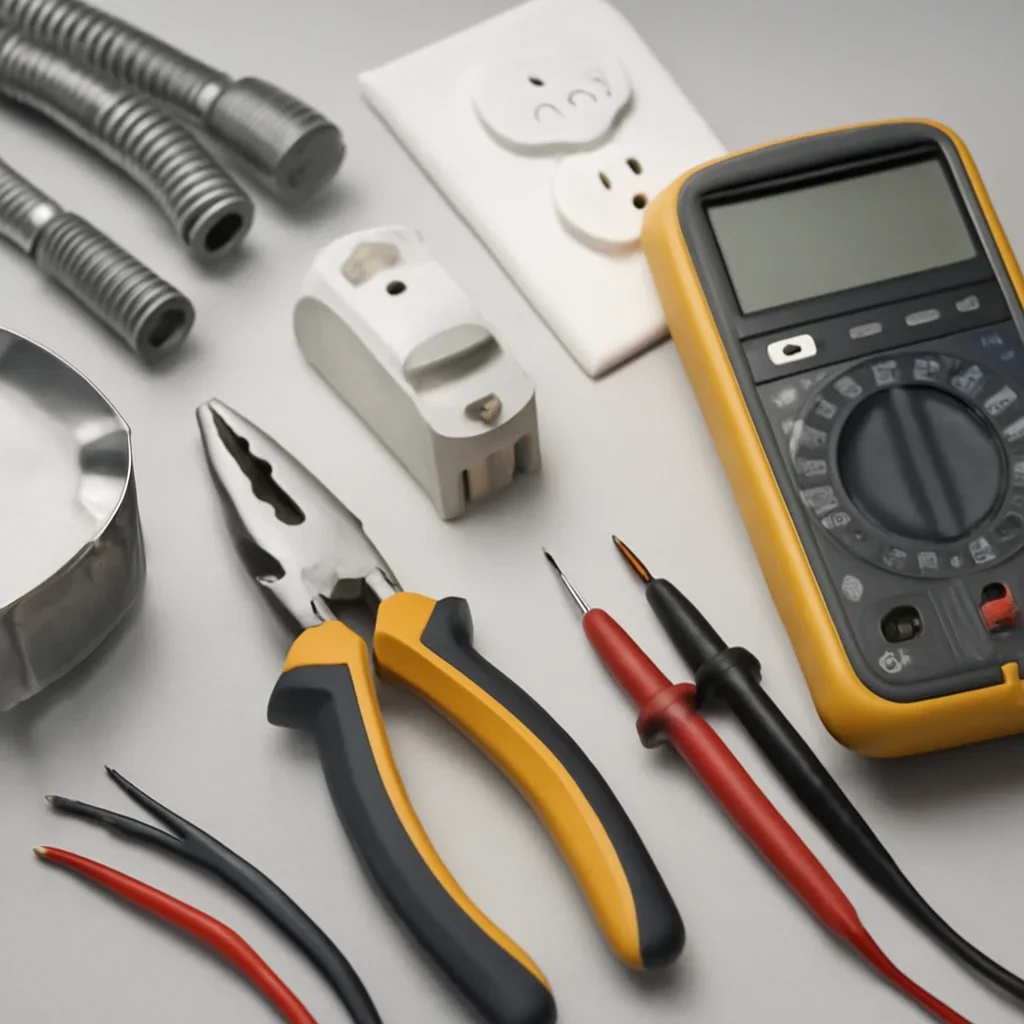
Electrical testing equipment used to diagnose generator transfer and backup-power problems in Regina
Homes, businesses, and managed properties

Backup-power priorities change with the property

A home standby system, portable-generator inlet, retail property, restaurant, office, rental, or managed building can have different essential loads, access requirements, operating risks, and repair priorities.

Residential backup power

Review transfer equipment and essential home loads such as heating controls, refrigeration, lighting, sump equipment, communications, and selected receptacle circuits.

Commercial generator systems

Assess backup power affecting business continuity, tenant areas, lighting, refrigeration, controls, communications, security, equipment, and property-management responsibilities.

Portable-generator connection systems

Review approved power inlets, transfer equipment, breakers, connection wiring, labels, essential circuits, and whether the system still matches the generator and intended loads.

Local Regina coverage

Generator electrical troubleshooting across Regina and nearby communities

Service planning considers property type, system size, outdoor access, equipment location, urgency, travel, required parts, and current electrician availability.

  • Harbour Landing
  • Albert Park
  • Wascana View
  • Greens on Gardiner
  • Lakeview
  • Cathedral
  • Rosemont
  • Whitmore Park
  • Uplands
  • Northwest Regina
  • White City
  • Emerald Park and Pilot Butte

Review the complete Regina electrical service area .

Regina property owner reviewing generator repair findings and backup-power options with an electrician
Clearer generator service

Repair recommendations should explain the fault and the service boundary

A trustworthy generator repair visit should identify what was tested, what appears to be electrical, what may be equipment-side or mechanical, what can be repaired now, and what requires coordinated follow-up.

System-specific assessment

Generator model, transfer equipment, electrical distribution, selected loads, property use, and installation history are considered.

Electrical scope explained

Transfer, wiring, breaker, control-power, charging, and property-side findings are separated from mechanical concerns.

Safe source isolation

Utility and generator sources, transfer operation, and affected equipment are treated as safety-sensitive parts of the diagnosis.

Load priorities reviewed

Connected circuits and essential loads are considered when trips, overloads, or reduced backup capacity are part of the complaint.

Repair versus replacement

Condition, compatibility, parts, repeated faults, and future backup-power needs help determine whether repair remains practical.

Testing and next steps

Approved electrical work is checked as appropriate, with operating limits and required follow-up explained clearly.

For an urgent property electrical hazard, review emergency electrician service in Regina .

Direct answers

Generator repair Regina FAQs

Practical answers about no-power conditions, transfer switches, alarms, electrical versus mechanical repair, cold weather, replacement decisions, quotes, and local coverage.

Why is my generator running but not powering the property?

Possible causes include an open generator breaker, transfer-switch fault, inlet or connection problem, damaged wiring, panel issue, control fault, or a generator-output problem. The generator, transfer path, and property distribution need to be separated and tested before the cause is confirmed.

Can an electrician repair a generator that will not start?

An electrician can check relevant property-side charging power, control wiring, transfer signals, breakers, connections, and electrical supply to required accessories. Engine, starter, fuel, oil-pressure, cooling, or manufacturer-controller faults may require a generator technician or authorized service provider.

What causes a generator breaker to trip?

A trip may result from excessive connected load, motor startup, damaged wiring, a circuit fault, equipment failure, an incorrect connection, or a generator-side output issue. Loads should not be repeatedly reapplied until the cause is understood.

Can a transfer switch be repaired or replaced?

The repair path depends on the switch condition, controls, sensing, wiring, compatibility, parts availability, and the generator and service configuration. Some faults may be repairable, while damaged or obsolete equipment may require replacement planning.

Does Regina cold weather affect generator reliability?

Cold conditions can expose weak batteries, charging problems, accessory-power faults, maintenance issues, outdoor damage, and access problems. Equipment-specific cold-weather preparation and maintenance should follow the manufacturer’s instructions.

When is generator replacement more practical than repair?

Replacement may be considered when the generator or transfer equipment is obsolete, repeatedly fails, has unavailable parts, no longer fits the required loads, has significant damage, or would require repairs that do not provide a dependable long-term path.

Can I get a generator repair quote from photos and a fault code?

Photos, labels, make and model, fault-code wording, transfer-switch information, and a clear description can help identify the likely service path. An exact repair scope may still require on-site testing because wiring, controls, loads, and internal conditions are not always visible remotely.

Where is generator electrical service available?

Requests are reviewed across Regina neighbourhoods and listed nearby communities, including White City, Emerald Park, and Pilot Butte. Scheduling depends on the system, symptoms, location, access, urgency, required work, and current availability.

Start with the system and symptom

Request generator electrical troubleshooting in Regina

Share the generator make and model, transfer-equipment type, exact alarm or fault wording, what happened during the last outage or test, which circuits receive power, and whether the generator starts and remains running. The request can then be directed to the most useful next step.