Electrical panel and breakers
Keep the panel area accessible and dry. Note missing labels, rust, unusual sounds, heat, damage, or breakers that trip repeatedly. Do not remove the panel cover or keep resetting a breaker that will not remain on.

Use this practical checklist to spot visible electrical warning signs, prepare your home for Regina's seasonal demands, review alarms and outdoor equipment, and know when a licensed electrician should assess the property. It is designed for safe observation—not opening panels, removing device covers, or attempting wiring repairs.

Watch for repeated breaker trips, flickering lights, buzzing, discolouration, damaged cords or covers, heat at electrical devices, unreliable outdoor receptacles, and alarms that are missing or not working. Stop using equipment that is smoking, sparking, overheating, wet, or visibly damaged, keep clear of the area, and request professional help.
A visual review can help you document concerns before a service call. It cannot confirm concealed wiring condition, panel capacity, grounding, circuit loading, or code compliance.
Keep the panel area accessible and dry. Note missing labels, rust, unusual sounds, heat, damage, or breakers that trip repeatedly. Do not remove the panel cover or keep resetting a breaker that will not remain on.
Look for cracked covers, loose devices, scorching, buzzing, intermittent operation, or warmth during normal use. A device that changes when touched or moved should be left unused until it is reviewed.
Document persistent flickering, lamps that fail unusually often, visible fixture damage, or lights that dim when another appliance starts. The pattern and rooms affected can help narrow the assessment.
Remove damaged cords and overloaded power bars from service. Extension cords are not a substitute for permanent wiring, especially for heaters, major appliances, workshops, or equipment used every day.
Pay attention to devices near water, dampness around electrical equipment, unreliable protection, and circuits serving high-demand appliances. Do not use electrical equipment in an area affected by a leak or flooding.
Review outdoor covers, visible weather damage, block-heater connections, garage receptacles, lighting, and cords exposed to snow, ice, moisture, vehicles, or yard work. Outdoor equipment must suit its location and use.

Electrical demand and exposure can change through the year. Regina's cold winters, attached and detached garages, outdoor receptacles, older housing stock, finished basements, and renovation history can all affect what should be reviewed.
For planned improvements, review our home renovation wiring in Regina information before walls, ceilings, cabinets, or finishes limit access.
One symptom can have several causes. A licensed electrician can inspect the affected circuit, panel, device, wiring, and connected equipment instead of relying on a visual guess.
Record which circuit trips, what was operating, and whether the breaker resets normally. Repeated trips can indicate a load, equipment, connection, wiring, or breaker concern.
Stop using an outlet, switch, dimmer, cord, fixture, or power bar that feels unusually warm, buzzes, smells abnormal, or shows darkening and damage.
Note whether the issue affects one fixture, one room, several circuits, or the entire property. Changes tied to appliance operation are useful details for troubleshooting.
Move away from the affected area, avoid touching equipment or exposed wiring, and treat active smoke, fire, or immediate danger as an emergency.
Keep people and pets away. Do not tape, move, reconnect, or cover exposed conductors as a temporary repair.
New appliances, basement work, garages, suites, hot tubs, heating equipment, and workshops can change circuit and panel demand or expose deficiencies in previous work.
Immediate safety: Do not open an electrical panel, remove a device cover, or touch equipment that is wet, smoking, sparking, overheating, or connected to exposed wiring. For active fire or immediate danger, leave the area and call emergency services.
Describe the symptom, property area, timing, and whether there is heat, sparking, smoke, exposed wiring, or loss of power.
Regina Fire & Protective Services requires working smoke alarms in homes and provides specific guidance for placement, testing, replacement, and carbon monoxide alarm coverage. Requirements can differ for owner-occupied homes, rentals, secondary suites, and short-term accommodations.
A licensed electrician can help assess hardwired alarm circuits and related electrical work through our residential electrician services in Regina.
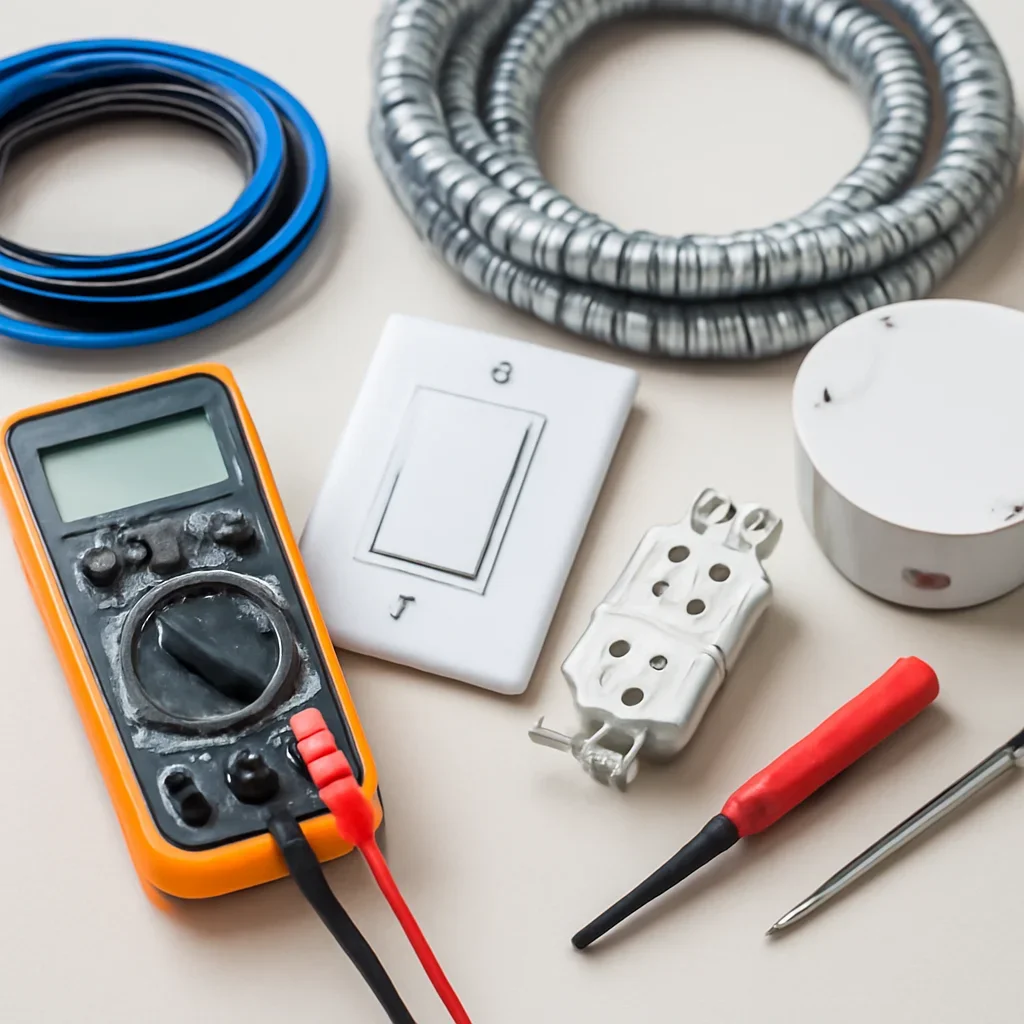
The safest next step depends on the symptom, whether it is active, and whether the concern involves permanent wiring, the electrical panel, a new circuit, or regulated installation work.
| What you notice | Safe immediate response | Likely next step |
|---|---|---|
| Cracked cover, loose device, or damaged cord | Stop using the affected item and keep it undisturbed. | Request repair or replacement before normal use resumes. |
| Breaker trips more than once | Leave the circuit off if the problem returns and note what was operating. | Arrange troubleshooting of the circuit, load, equipment, and breaker. |
| Warm, buzzing, discoloured, or unreliable device | Disconnect use without touching damaged parts or exposed wiring. | Request a prompt electrical assessment. |
| Planned appliance, renovation, garage, or new circuit | Do not purchase or conceal work before confirming requirements. | Review panel capacity, routing, equipment ratings, permits, and inspections. |
| Smoke, sparking, fire, or immediate danger | Leave the area and contact emergency services. | Electrical assessment and repair should follow only when the area is safe. |
Saskatchewan electrical installation work is regulated through TSASK. City of Regina building approvals may also apply when electrical work is part of a renovation, addition, garage, basement development, secondary suite, or heritage-property alteration.
Confirm the correct TSASK permit path before work begins. Some homeowner permits have strict eligibility limits, and certain systems require a licensed Saskatchewan electrical contractor.
Basements, suites, additions, garages, structural changes, and other alterations may involve City permits in addition to electrical permits and inspections.
Keep permit copies, inspection records, equipment manuals, invoices, panel schedules, and photos with the property documents for future service, insurance, and resale questions.
Confirm current requirements directly through TSASK electrical permits and inspections, the City of Regina smoke and carbon monoxide alarm guidance, and the City's current residential permit information before beginning regulated work.
Clear details help identify whether the first step should be troubleshooting, an inspection, a repair, a panel review, or planning for a larger project.
Write down the room, device, symptoms, timing, frequency, and what equipment was running when the issue appeared.
Photograph accessible equipment, labels, and visible damage without opening covers, moving damaged wiring, or approaching unsafe areas.
Include the Regina neighbourhood or nearby community, approximate home age, property type, renovation history, garage type, and planned equipment.
Discuss urgency, site access, assessment needs, permit responsibilities, possible repair scope, and what documentation will be provided.
The same symptom can have different causes in a newer attached-garage home, an older character property, a renovated basement, a rental, or a house with a detached garage and long outdoor cable route.
Homes in Cathedral, Heritage, Lakeview, the Crescents, Rosemont, Uplands, Albert Park, Harbour Landing, Greens on Gardiner, Wascana View, and Northwest Regina can differ in construction era, additions, panel capacity, garage layout, and previous renovation work. Nearby properties in White City, Emerald Park, and Pilot Butte may also have different service, outbuilding, and outdoor-equipment needs. A site-specific assessment is more reliable than assuming the solution from neighbourhood or age alone.
These answers explain what homeowners can safely observe, when professional assessment matters, and what information supports a more useful service request.
No. It is a visual planning guide. It cannot verify concealed wiring, grounding, panel condition, circuit loading, equipment compatibility, or code compliance. Request an electrical inspection when the property condition, history, symptoms, or planned work requires professional assessment.
Review visible electrical condition when seasons change, before using stored heaters or outdoor equipment, after water damage or renovations, when buying or selling, and whenever a new warning sign appears. Follow manufacturer and City guidance for testing smoke and carbon monoxide alarms.
A repeated trip can involve connected equipment, circuit demand, a loose or damaged connection, wiring condition, or the breaker itself. Stop repeatedly resetting it, note what was operating, and request troubleshooting rather than assuming the cause.
Seek urgent help when there is active sparking, overheating, a burning smell, smoke, exposed wiring, damaged service equipment, or a serious loss of power. For active fire or immediate danger, leave the area and contact emergency services first.
TSASK requires permits for electrical installation work, and homeowner-permit eligibility is limited. A City of Regina building permit may also apply when electrical work is part of a renovation, basement, suite, garage, addition, or other alteration. Confirm the current permit path before work begins.
Share the property address or area, property type, approximate age, affected rooms, symptoms, timing, safe photos, panel information, renovation history, equipment model numbers, and whether the concern is urgent. Do not open electrical equipment to obtain photos.
Share what you noticed, where it occurs, how often it happens, the property type, and any safe photos or equipment details. Electrician Regina can review the request and help determine whether the next step is troubleshooting, inspection, repair, panel assessment, or planned electrical work.