
Aluminum wiring in Regina homes: what homeowners need to know
Aluminum branch-circuit wiring does not automatically mean a Regina home needs complete rewiring. The real concern is whether the conductors, devices, splices, panel terminations, and past repairs are compatible, properly installed, and free from heat damage or loosening. A licensed electrician can identify the wiring type, inspect accessible connections, and compare practical repair or replacement options.
Content updated July 2026
Does aluminum wiring in a Regina home always need to be replaced?
No. Some homes may be candidates for documented, code-compliant remediation at accessible connections, while others may benefit from selected circuit replacement or broader rewiring. The recommendation depends on conductor condition, device and connector compatibility, evidence of overheating, accessibility, renovation plans, insurance requirements, and the condition of the electrical panel and branch circuits.
Regina homes can have very different wiring histories—even on the same street
Established Regina neighbourhoods contain homes built, expanded, finished, and renovated in different decades. One property may retain original branch circuits, another may have a newer panel with older wiring, and another may contain a mix of copper and aluminum conductors from previous alterations. The neighbourhood or age of the home can guide questions, but it cannot confirm the wiring type or condition.
This is particularly relevant when buying, selling, insuring, or renovating a home in areas such as Rosemont and Mount Royal. Review our electrician service in Rosemont for local coverage. The final recommendation should come from a property-specific assessment rather than an assumption based on the address alone.
Urgent warning signs: Stop using a switch, receptacle, light, or circuit that is hot, discoloured, buzzing, sparking, smoking, producing a burning-plastic smell, or repeatedly losing power. Do not remove device covers or the panel cover to inspect aluminum wiring yourself.
Signs an aluminum-wired circuit may need professional attention
These symptoms do not prove that aluminum wiring is the cause. They indicate that the affected device, connection, circuit, or panel should be tested rather than guessed at.
Warm or discoloured switches and receptacles
Heat at a device can point to a loose termination, damaged device, overloaded circuit, or incompatible connection. Stop using the affected device and arrange prompt electrical troubleshooting.
Flickering linked to one device or branch circuit
Intermittent flicker that follows a particular switch, outlet, fixture, or load can indicate a local connection problem. Record when it happens and which equipment is operating to support accurate testing.
Buzzing, arcing, or a burning-plastic odour
These are not normal operating conditions. Leave the affected circuit or equipment off when it is safe to do so, move away from active smoke or arcing, and request urgent help.
Outlets, lights, or circuits fail intermittently
A circuit that works only after a device is moved, tapped, or switched repeatedly may have a deteriorated device or connection. Do not continue manipulating it to restore power.
Unlabelled copper-to-aluminum repairs
Mixed conductor types are not automatically improper, but the connector, preparation, installation method, enclosure space, and product instructions must suit the conductors in use.
Standard devices were installed without verified compatibility
Replacement switches and receptacles must be suitable for the conductor and installation method. A visual check from the room cannot confirm what is behind the device or how it was terminated.
A renovation, home sale, or insurance request raises wiring questions
Renovations provide access to wiring that may otherwise be concealed. A sale or insurance review may also require clear documentation of the wiring type, inspected areas, completed repairs, permits, and limitations. Ask the insurer, lender, buyer, or inspector what documentation they require before choosing a repair scope.
Unsure whether the home has aluminum branch wiring?
Share the property address, approximate construction or renovation history, panel photos, inspection report notes, and any heat, flicker, odour, or device failures. Do not open the panel or remove receptacles to take photos.
A full rewire is one option—not the automatic first answer
The right scope should address the actual condition, be accepted by the applicable authority and stakeholders, and fit the home’s renovation plan. Product names alone are not a substitute for design, compatibility, installation instructions, permits, and inspection.
| Possible path | When it may be considered | Important limitations |
|---|---|---|
| Focused inspection and documentation | No active symptoms, but wiring type, past work, sale, or insurance requirements need clarification. | An inspection can only report accessible and tested conditions; concealed connections may require a defined sampling or opening strategy. |
| Targeted connection remediation | Conductors are serviceable and an approved, compatible repair method can address specified terminations. | The method must be suitable for the conductors and installed exactly as required. Random connector substitutions are not equivalent. |
| Device or circuit replacement | Problems are limited to selected devices, damaged sections, high-use circuits, or areas already open for renovation. | Replacing one visible device does not confirm the condition of every connection elsewhere on the circuit. |
| Partial rewiring | Access is available during a kitchen, basement, addition, service upgrade, or other planned renovation. | The boundary between retained and new wiring must be clearly designed, labelled, documented, and inspected as applicable. |
| Whole-house rewiring | Concerns are widespread, access is practical, major renovations are planned, or the owner wants a broader long-term replacement strategy. | Scope may affect walls, ceilings, finishes, the panel, grounding and bonding, smoke alarms, permits, and coordination with other trades. |
Planning note: Ask for a written scope that identifies inspected areas, retained wiring, repaired connections, replaced circuits, excluded areas, permit responsibility, and the documentation provided at completion.
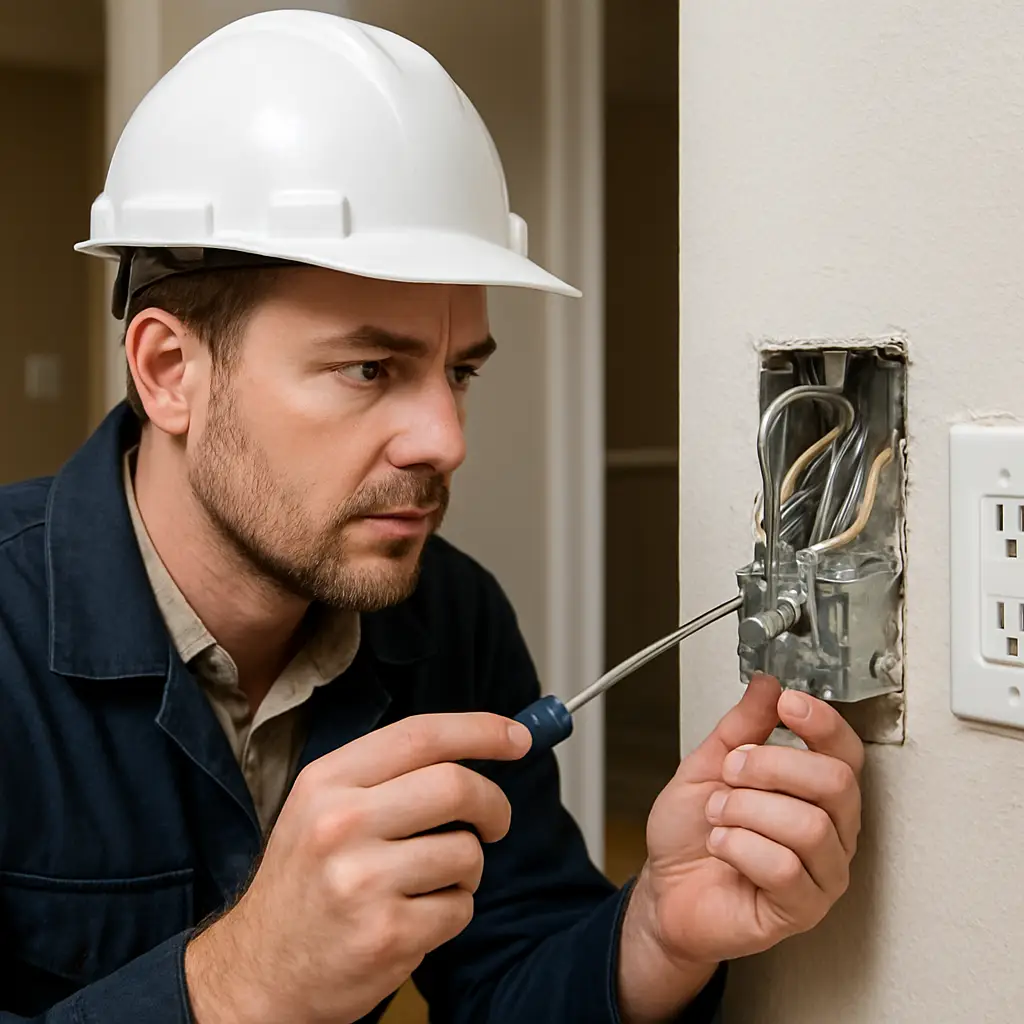
A useful aluminum wiring inspection goes beyond finding one conductor
The goal is to understand where aluminum branch wiring is present, how it is terminated, whether visible repairs are compatible, and whether symptoms or renovation plans require a broader scope.
-
Confirm the wiring type and distribution
Review accessible cable markings, panel directories, branch conductors, and available property records without assuming every circuit uses the same material.
-
Inspect representative and higher-risk connections
Prioritize devices or circuits with heat, flicker, heavy use, repeated failures, visible repairs, or planned renovation access.
-
Review devices, connectors, panel terminations, grounding, and bonding
Check whether components and installation methods are appropriate for the conductor and whether there is visible evidence of heat, corrosion, damage, or looseness.
-
Define and document the recommended scope
Compare remediation, selected replacement, partial rewiring, or full rewiring, then identify permits, inspections, access needs, exclusions, and completion records.
For a broader condition review, see our electrical inspections in Regina. When symptoms are intermittent, our electrical troubleshooting service may also be relevant.
Coordinate aluminum wiring decisions with the work already planned for the home
The most cost-effective time to replace selected circuits may be when walls or ceilings are already open. Conversely, an occupied finished home may call for a phased plan that targets documented priorities first.
Planning renovations around existing aluminum wiring?
Review our home renovation wiring in Regina service before walls are closed. Early coordination can reduce reopened finishes and unclear transition points between old and new circuits.
Information that helps define the aluminum wiring scope
Good photos and records can help plan the visit, but they cannot replace opening and testing by a qualified person where required.
- Property address and approximate construction or major-renovation dates
- Home inspection, insurance, or real-estate report wording
- Photos of the closed panel, panel label, directory, and accessible cable markings
- Rooms, outlets, switches, lights, or circuits showing heat, flicker, odour, buzzing, or failures
- Known past repairs, device replacements, additions, basement development, or panel work
- Upcoming renovation areas where walls or ceilings will be open
- The exact documentation requested by an insurer, lender, buyer, or building professional
Do not remove the panel cover or pull devices out of electrical boxes for photographs. For broader replacement planning, review whole-house rewiring in Regina. Older wiring questions may also overlap with our knob-and-tube wiring information, but the two wiring systems require different assessments.
Ask the contractor to define these items
Permits, inspections, and reliable aluminum wiring guidance
Permit and inspection requirements depend on the exact scope. Confirm current requirements before installation work starts and keep records with the property documents.
Technical Safety Authority of Saskatchewan
TSASK states that an electrical permit is required for electrical installation work and that licensed electrical contractors are responsible for purchasing permits for work they perform. Homeowners can legally request a copy of the permit for work completed on their property.
Review TSASK electrical permits and inspectionsCity of Regina renovation requirements
A City building permit may apply when electrical work is part of a broader renovation or alteration, such as structural changes, new walls, additions, or certain kitchen and bathroom projects. The City directs applicants to TSASK for applicable electrical permits and inspections.
Review City of Regina renovation permitsAluminum wiring safety reference
Consumer safety guidance identifies warm devices, burning-plastic odours, unexplained flicker, failed circuits, sparking, and arcing as reasons to seek expert advice. Saskatchewan code and permit decisions must still be confirmed locally through TSASK and the project electrician.
Review the CPSC aluminum wiring safety guideEEAT note: This page provides homeowner planning information, not a remote diagnosis or a universal repair specification. Electrical products, connectors, codes, and accepted methods must be verified for the actual installation by a qualified Saskatchewan professional.
Choose the service that matches the property goal
Start with the question you need answered: identify and document the wiring, repair known connections, investigate symptoms, plan a renovation, or replace a broader group of circuits.
Return to the Electrician Regina homepage for the complete service overview.
Frequently asked questions
These answers explain common planning issues. A final recommendation requires access to the property, the wiring, the affected circuits, and current Saskatchewan requirements.
Does aluminum wiring always require full replacement?
No. Depending on the condition, accessible connections, renovation plans, and stakeholder requirements, the scope may involve inspection and documentation, targeted remediation, selected circuit replacement, partial rewiring, or a whole-house rewire. The method must be suitable for the actual installation and accepted under applicable Saskatchewan requirements.
How can I tell whether my Regina home has aluminum wiring?
An electrician may use accessible cable markings, panel and branch-conductor observations, renovation records, and a controlled inspection of selected devices or junctions. Do not remove the panel cover or pull switches and receptacles from their boxes to investigate it yourself.
What are common warning signs of an aluminum wiring connection problem?
Warning signs include warm or discoloured switch and outlet covers, burning-plastic odours, buzzing, sparking, unexplained flicker, intermittent devices, and circuits that fail. These symptoms can have other causes, but they should be assessed promptly rather than ignored.
Can I replace a switch or receptacle on aluminum wiring myself?
Device replacement involves conductor identification, compatibility, preparation, termination, torque, enclosure space, and applicable permit requirements. Incorrect work can create shock or overheating hazards. Use a qualified person and confirm the permit path for the proposed scope.
Will a new electrical panel solve aluminum branch-wiring concerns?
Not by itself. A panel replacement changes the service equipment, but existing branch circuits may remain. The project scope should explain how aluminum conductors will be identified, assessed, terminated at the new panel, repaired where needed, labelled, and documented.
Does aluminum wiring work require an electrical permit in Regina?
TSASK states that an electrical permit is required for electrical installation work. The precise permit and inspection requirements depend on whether the scope is inspection only, device or connection repair, new wiring, circuit replacement, panel work, or broader rewiring. A City of Regina permit may also apply when the electrical work is part of a larger alteration or renovation.
What should I ask an insurer about aluminum wiring?
Ask what inspection report, repair method, contractor qualification, electrical permit, inspection record, invoice, photos, or completion letter it requires. Obtain those expectations before selecting the work scope because insurer requirements can differ.
What information helps an electrician quote the assessment?
Provide the property address, approximate age and renovation history, home-inspection or insurance notes, closed-panel photos, accessible cable markings, known past repairs, affected rooms or circuits, warning signs, and plans for renovations, panel replacement, sale, or insurance documentation.

Request an aluminum wiring assessment in Regina
Share the address, property and renovation history, inspection or insurance notes, panel photos, warning signs, and future plans. The next step can then be defined as identification and documentation, troubleshooting, targeted repair, selected circuit replacement, renovation wiring, or broader rewiring.