Commercial energy efficiency

Lower business costs with commercial solar in Regina

Rising utility prices and increasing electrical demand can have a direct impact on business profitability. Commercial solar, LED lighting, and carefully planned electrical upgrades can help Regina businesses reduce energy consumption, control operating expenses, and prepare their buildings for future growth.
  • Commercial solar
  • LED lighting
  • Energy monitoring
  • Electrical upgrades
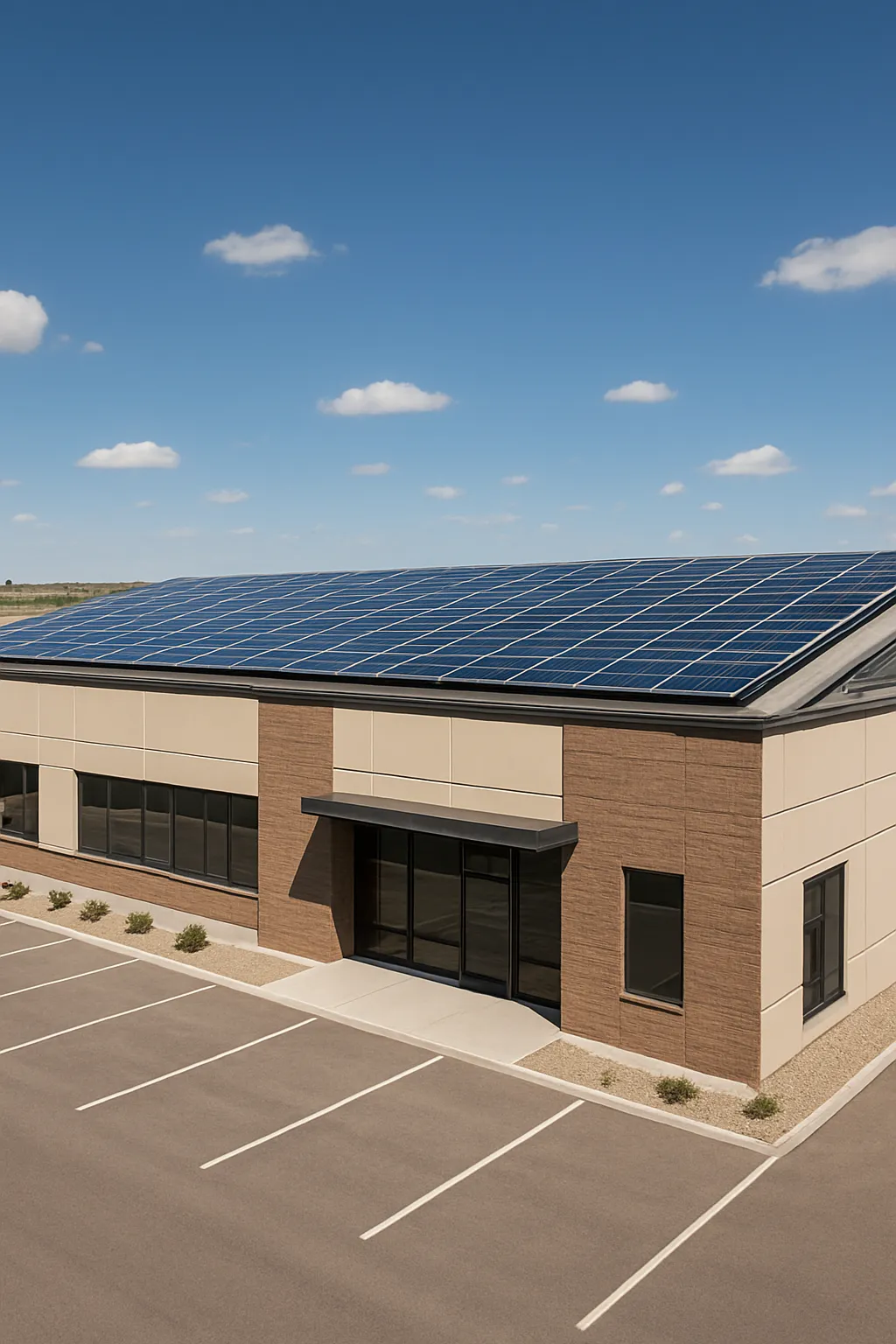
Commercial property in Regina with rooftop solar panels

How can Regina businesses lower electricity costs?

Businesses can reduce long-term electricity expenses by combining on-site solar generation with efficient LED lighting, smart controls, energy monitoring, suitable electrical capacity, and targeted improvements to panels, circuits, and power distribution.

Operating expenses

Why energy costs matter for commercial properties

Electricity supports nearly every part of a commercial operation. Even modest changes in electricity consumption or utility pricing can affect monthly overhead and long-term financial planning.

Load 01

Lighting and HVAC

Interior lighting, exterior lighting, heating, ventilation, and cooling can represent a significant share of building energy use.

Load 02

Equipment and machinery

Offices, workshops, manufacturing facilities, and warehouses rely on computers, motors, production machinery, and specialized equipment.

Load 03

Continuous electrical demand

Refrigeration, security systems, computer networks, signage, and other essential systems may continue consuming power outside normal operating hours.
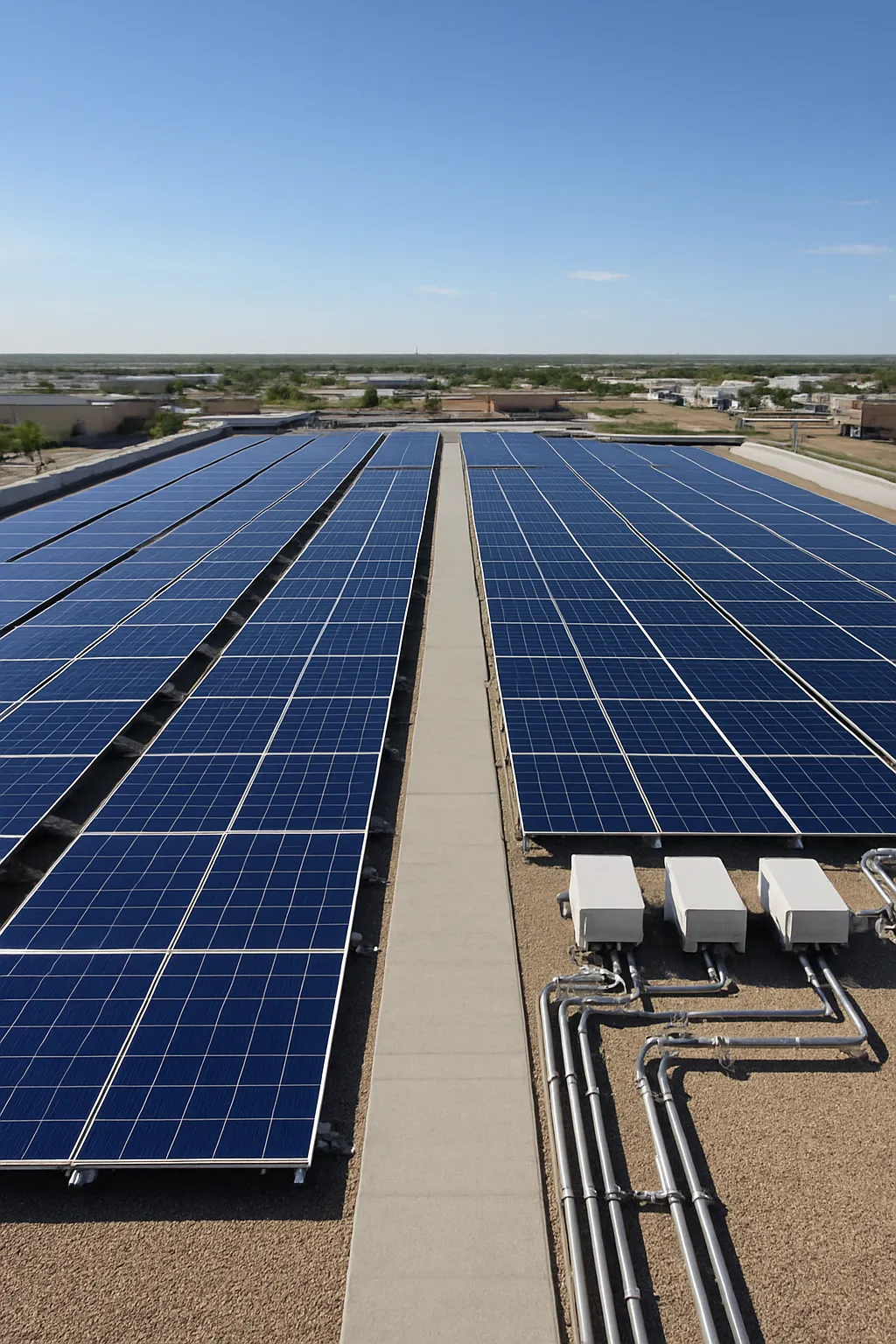
Commercial rooftop solar panel system on a Regina business property
On-site generation

The benefits of commercial solar

Commercial solar systems allow businesses to generate electricity from available rooftop space or suitable areas of the property.

Instead of relying entirely on utility-supplied electricity, solar generation can offset part of the building's daytime energy use. The potential benefit depends on the system design, available space, electrical infrastructure, operating schedule, and energy profile.

  • Lower monthly electricity expenses
  • Reduced exposure to future utility price increases
  • More predictable long-term energy planning
  • Improved environmental performance
  • Support for corporate sustainability objectives
  • Potential improvement to the building's long-term value
Cost certainty

Gain greater control over future energy costs

Utility rates and business energy demand can change over time. A properly planned solar system gives a business access to an additional source of electricity with more predictable long-term production costs.

More predictable budgeting

Reducing reliance on purchased electricity can make long-term operating budgets easier to plan.

Protection from rate changes

Solar generation can offset part of the electricity that would otherwise be purchased at future utility rates.

Daytime load support

Businesses with significant daytime electricity consumption may be well positioned to use solar power while it is being generated.

Long-term asset planning

Solar can be considered alongside roofing, building renovations, equipment replacement, and future electrical expansion.

Reduced operating overhead

Lower utility expenses can free capital for staffing, inventory, equipment, marketing, and other business priorities.

Sustainability reporting

On-site renewable energy can support environmental targets, stakeholder reporting, and corporate sustainability programs.

Fast efficiency improvement

Why LED lighting is one of the fastest commercial upgrades

Lighting can represent a significant portion of a commercial building's electricity use, especially in warehouses, offices, retail stores, restaurants, parking areas, and industrial facilities.

Replacing outdated fluorescent, halogen, or metal-halide fixtures with suitable LED technology can reduce consumption while improving visibility and lowering maintenance requirements.

  • Lower electricity consumption
  • Longer fixture and lamp life
  • Reduced maintenance and replacement costs
  • Improved workplace visibility
  • More consistent colour and light output
  • Lower heat output from lighting fixtures
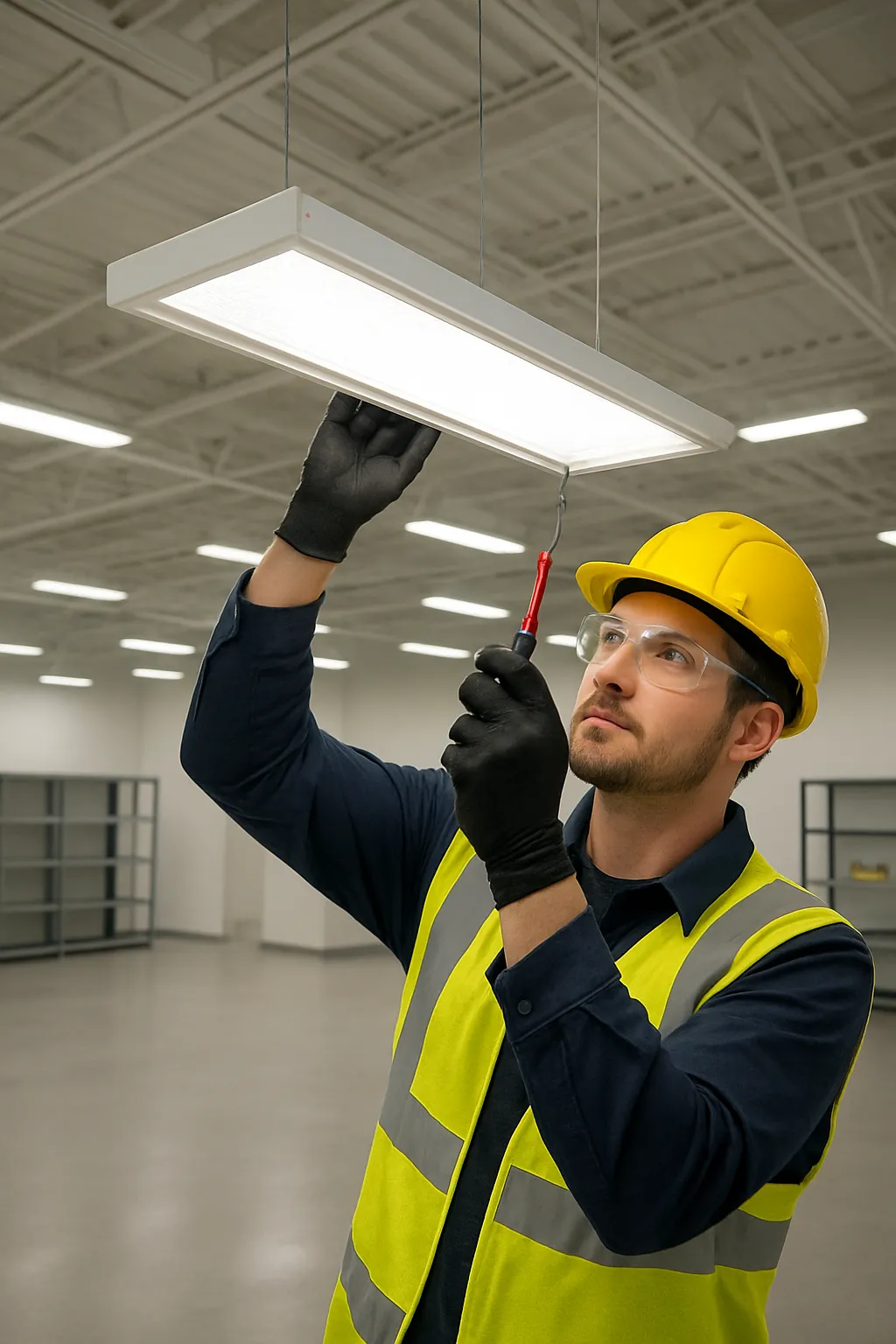
Modern LED lighting upgrade inside a Regina commercial building
Building performance

Better lighting can improve productivity and customer experience

Energy savings are not the only reason to improve commercial lighting. Well-planned lighting can make work areas safer, products easier to see, and customer-facing spaces more inviting.

Benefit 01

Improved workplace visibility

Consistent lighting helps employees see work surfaces, equipment, aisles, storage areas, and potential hazards more clearly.

Benefit 02

Better customer presentation

Appropriate colour rendering and fixture placement can improve product displays, reception areas, dining spaces, and sales floors.

Benefit 03

More consistent illumination

A planned retrofit can reduce dark areas, excessive brightness, glare, inconsistent colour, and frequently failing fixtures.

Supporting infrastructure

Upgrade your electrical system for maximum efficiency

Solar panels and LED lighting often perform best when they are supported by suitable electrical distribution, protection, monitoring, and control systems.

Panel upgrades

A panel upgrade may provide the capacity, breaker space, and equipment condition needed for new commercial loads.

Power distribution

Distribution improvements can support efficient delivery of power to lighting, equipment, solar components, and future additions.

Surge protection

Surge protection can help protect sensitive controls, computers, lighting systems, communication equipment, and solar inverters.

Energy monitoring

Monitoring systems help businesses identify consumption patterns, equipment demand, peak loads, and potential opportunities for savings.

Smart lighting controls

Occupancy sensors, timers, daylight controls, and zoning can reduce unnecessary lighting use.

Dedicated circuits

Properly planned circuits can support specialized machinery, refrigeration, EV chargers, and other high-demand equipment.

Equipment connections

New commercial equipment may require changes to disconnects, circuit protection, voltage, wiring, or available capacity.

Future expansion planning

Electrical improvements can be designed around planned equipment, additional work areas, EV charging, and business growth.
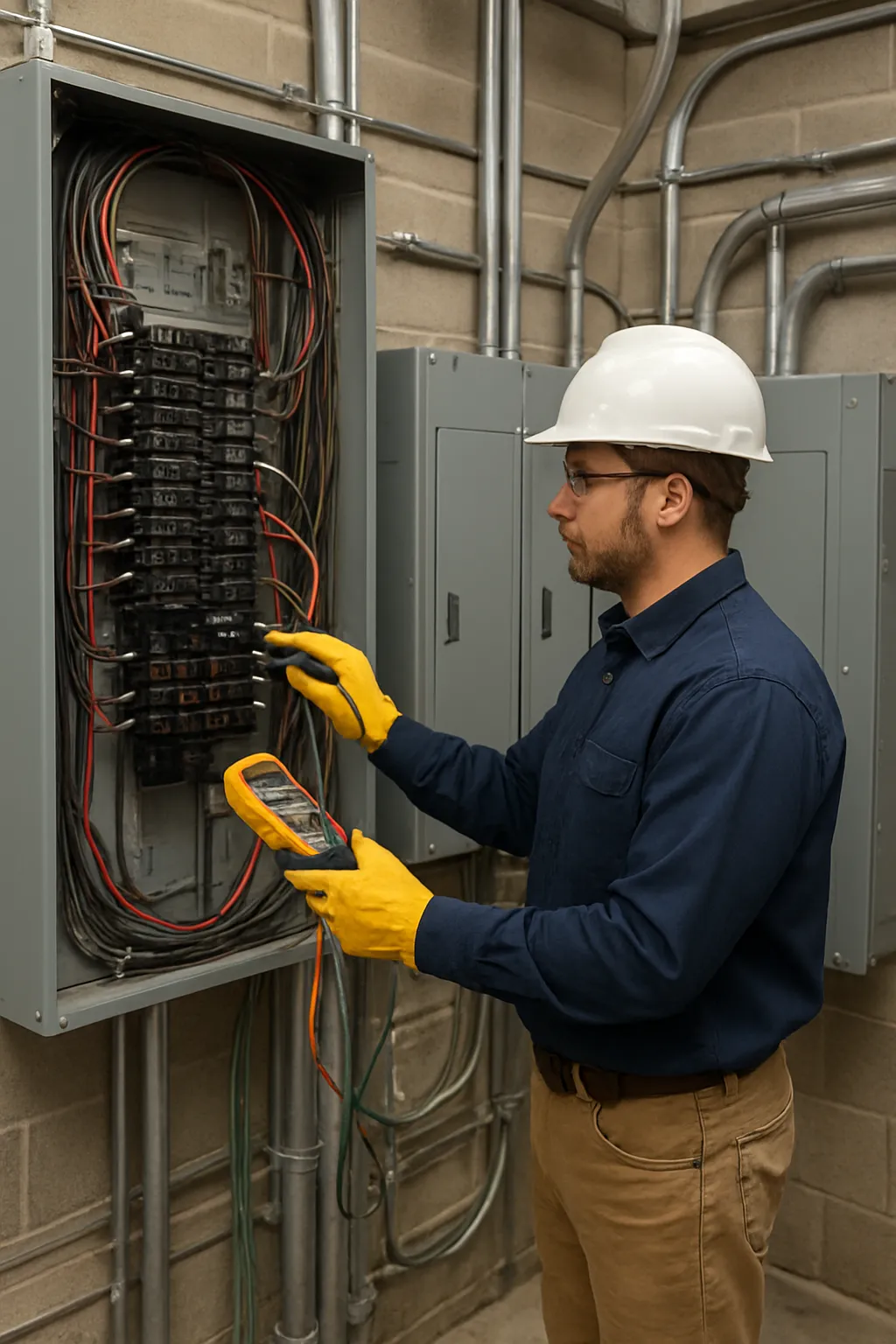
Electrician inspecting a commercial electrical system in Regina
Assess before upgrading

Is your commercial building ready?

Older commercial properties may require electrical improvements before solar equipment, expanded lighting, EV chargers, machinery, or other major loads can be installed.

A commercial electrical assessment can review the condition and capacity of the existing system before equipment is selected and project timelines are finalized.

  • Electrical service capacity
  • Main panel condition
  • Available breaker space
  • Existing wiring condition
  • Grounding and bonding
  • Power distribution
  • Future expansion requirements
  • Visible code or safety concerns

Plan upgrades early: Discovering capacity, wiring, or panel concerns after purchasing equipment can create delays, unexpected expenses, and changes to the installation scope.

Financial value

Consider the long-term return on investment

Every business evaluates investments differently, but commercial energy upgrades can produce measurable value through lower consumption, reduced maintenance, improved efficiency, and better building performance.

Lower operating expenses

Reduced energy consumption and on-site generation can lower monthly overhead.

Reduced maintenance

Modern LED fixtures generally require less frequent replacement than older commercial lighting technologies.

Improved equipment efficiency

Suitable circuits, controls, and distribution help equipment operate within its intended electrical requirements.

Better building value

Updated electrical infrastructure and energy-efficient systems may make a commercial property more functional and attractive.

Lower environmental impact

Solar generation and reduced energy consumption can support sustainability and emission-reduction goals.

Greater long-term value

Businesses planning to remain in their facilities for many years may receive the greatest benefit from long-term energy investments.

Qualified installation

Why professional commercial installation matters

Commercial electrical systems can be significantly more complex than residential systems and may involve larger services, multiple panels, three-phase equipment, specialized loads, and detailed operational requirements.

Solar integration, panel upgrades, lighting retrofits, controls, energy monitoring, and equipment circuits should be planned and installed by qualified professionals who understand the building's existing infrastructure and future requirements.

Whether you are improving an office, warehouse, retail store, restaurant, or industrial property, expert electricians in Victoria can assess the electrical infrastructure and recommend practical improvements that support efficiency and future business growth.

  • Review the current electrical service and panel capacity.
  • Document the proposed solar and lighting equipment.
  • Identify upgrades required before installation.
  • Plan controls and monitoring around business operations.
  • Allow for future equipment and electrical expansion.

Business owner reviewing commercial solar and electrical upgrade plans
Common questions

Commercial solar and electrical upgrade FAQs

Practical information about commercial solar, LED lighting, electrical capacity, building assessments, and energy-efficiency improvements for Regina businesses.

How can commercial solar reduce business electricity costs?

Commercial solar generates electricity on the property and can offset part of the electricity that would otherwise be purchased from the utility. The amount of potential savings depends on the system size, building demand, operating schedule, roof or property conditions, and overall system design.

Is every commercial building suitable for rooftop solar?

No. Suitability depends on roof condition, available space, orientation, shading, structural considerations, electrical capacity, equipment location, and the building's electricity-use profile. A professional assessment is required before confirming whether a property is suitable.

Can LED lighting make a noticeable difference in energy use?

LED lighting can significantly reduce lighting-related electricity consumption when replacing older fluorescent, halogen, or metal-halide systems. Savings depend on the existing fixtures, operating hours, lighting layout, controls, and replacement design.

Does a business need a panel upgrade before installing solar?

Not every property requires a panel upgrade. An electrician must review the existing service, panels, breaker space, power distribution, current demand, proposed system, and future electrical requirements before recommending an upgrade.

What should be checked during a commercial electrical inspection?

The assessment may include the electrical service, main and distribution panels, available capacity, wiring condition, grounding, bonding, equipment connections, protection systems, lighting, and plans for future expansion.

Can solar and LED lighting upgrades be completed together?

Yes. Planning them together can help the business understand its revised energy demand, identify required electrical work, improve project coordination, and create a broader building-efficiency plan.

Invest in efficiency

Build a more efficient future for your business

Combining commercial solar, LED lighting, energy monitoring, and modern electrical upgrades can help reduce long-term electricity costs while preparing the building for future equipment and operational growth.

Commercial energy efficiency

Lower business costs with commercial solar in Regina

Rising utility prices and increasing electrical demand can have a direct impact on business profitability. Commercial solar, LED lighting, and carefully planned electrical upgrades can help Regina businesses reduce energy consumption, control operating expenses, and prepare their buildings for future growth.

  • Commercial solar
  • LED lighting
  • Energy monitoring
  • Electrical upgrades
Commercial property in Regina with rooftop solar panels

How can Regina businesses lower electricity costs?

Businesses can reduce long-term electricity expenses by combining on-site solar generation with efficient LED lighting, smart controls, energy monitoring, suitable electrical capacity, and targeted improvements to panels, circuits, and power distribution.

Operating expenses

Why energy costs matter for commercial properties

Electricity supports nearly every part of a commercial operation. Even modest changes in electricity consumption or utility pricing can affect monthly overhead and long-term financial planning.

Load 01

Lighting and HVAC

Interior lighting, exterior lighting, heating, ventilation, and cooling can represent a significant share of building energy use.

Load 02

Equipment and machinery

Offices, workshops, manufacturing facilities, and warehouses rely on computers, motors, production machinery, and specialized equipment.

Load 03

Continuous electrical demand

Refrigeration, security systems, computer networks, signage, and other essential systems may continue consuming power outside normal operating hours.

Commercial rooftop solar panel system on a Regina business property
On-site generation

The benefits of commercial solar

Commercial solar systems allow businesses to generate electricity from available rooftop space or suitable areas of the property.

Instead of relying entirely on utility-supplied electricity, solar generation can offset part of the building's daytime energy use. The potential benefit depends on the system design, available space, electrical infrastructure, operating schedule, and energy profile.

  • Lower monthly electricity expenses
  • Reduced exposure to future utility price increases
  • More predictable long-term energy planning
  • Improved environmental performance
  • Support for corporate sustainability objectives
  • Potential improvement to the building's long-term value
Cost certainty

Gain greater control over future energy costs

Utility rates and business energy demand can change over time. A properly planned solar system gives a business access to an additional source of electricity with more predictable long-term production costs.

More predictable budgeting

Reducing reliance on purchased electricity can make long-term operating budgets easier to plan.

Protection from rate changes

Solar generation can offset part of the electricity that would otherwise be purchased at future utility rates.

Daytime load support

Businesses with significant daytime electricity consumption may be well positioned to use solar power while it is being generated.

Long-term asset planning

Solar can be considered alongside roofing, building renovations, equipment replacement, and future electrical expansion.

Reduced operating overhead

Lower utility expenses can free capital for staffing, inventory, equipment, marketing, and other business priorities.

Sustainability reporting

On-site renewable energy can support environmental targets, stakeholder reporting, and corporate sustainability programs.

Fast efficiency improvement

Why LED lighting is one of the fastest commercial upgrades

Lighting can represent a significant portion of a commercial building's electricity use, especially in warehouses, offices, retail stores, restaurants, parking areas, and industrial facilities.

Replacing outdated fluorescent, halogen, or metal-halide fixtures with suitable LED technology can reduce consumption while improving visibility and lowering maintenance requirements.

  • Lower electricity consumption
  • Longer fixture and lamp life
  • Reduced maintenance and replacement costs
  • Improved workplace visibility
  • More consistent colour and light output
  • Lower heat output from lighting fixtures
Modern LED lighting upgrade inside a Regina commercial building
Building performance

Better lighting can improve productivity and customer experience

Energy savings are not the only reason to improve commercial lighting. Well-planned lighting can make work areas safer, products easier to see, and customer-facing spaces more inviting.

Benefit 01

Improved workplace visibility

Consistent lighting helps employees see work surfaces, equipment, aisles, storage areas, and potential hazards more clearly.

Benefit 02

Better customer presentation

Appropriate colour rendering and fixture placement can improve product displays, reception areas, dining spaces, and sales floors.

Benefit 03

More consistent illumination

A planned retrofit can reduce dark areas, excessive brightness, glare, inconsistent colour, and frequently failing fixtures.

Supporting infrastructure

Upgrade your electrical system for maximum efficiency

Solar panels and LED lighting often perform best when they are supported by suitable electrical distribution, protection, monitoring, and control systems.

Panel upgrades

A panel upgrade may provide the capacity, breaker space, and equipment condition needed for new commercial loads.

Power distribution

Distribution improvements can support efficient delivery of power to lighting, equipment, solar components, and future additions.

Surge protection

Surge protection can help protect sensitive controls, computers, lighting systems, communication equipment, and solar inverters.

Energy monitoring

Monitoring systems help businesses identify consumption patterns, equipment demand, peak loads, and potential opportunities for savings.

Smart lighting controls

Occupancy sensors, timers, daylight controls, and zoning can reduce unnecessary lighting use.

Dedicated circuits

Properly planned circuits can support specialized machinery, refrigeration, EV chargers, and other high-demand equipment.

Equipment connections

New commercial equipment may require changes to disconnects, circuit protection, voltage, wiring, or available capacity.

Future expansion planning

Electrical improvements can be designed around planned equipment, additional work areas, EV charging, and business growth.

Electrician inspecting a commercial electrical system in Regina
Assess before upgrading

Is your commercial building ready?

Older commercial properties may require electrical improvements before solar equipment, expanded lighting, EV chargers, machinery, or other major loads can be installed.

A commercial electrical assessment can review the condition and capacity of the existing system before equipment is selected and project timelines are finalized.

  • Electrical service capacity
  • Main panel condition
  • Available breaker space
  • Existing wiring condition
  • Grounding and bonding
  • Power distribution
  • Future expansion requirements
  • Visible code or safety concerns

Plan upgrades early: Discovering capacity, wiring, or panel concerns after purchasing equipment can create delays, unexpected expenses, and changes to the installation scope.

Financial value

Consider the long-term return on investment

Every business evaluates investments differently, but commercial energy upgrades can produce measurable value through lower consumption, reduced maintenance, improved efficiency, and better building performance.

Lower operating expenses

Reduced energy consumption and on-site generation can lower monthly overhead.

Reduced maintenance

Modern LED fixtures generally require less frequent replacement than older commercial lighting technologies.

Improved equipment efficiency

Suitable circuits, controls, and distribution help equipment operate within its intended electrical requirements.

Better building value

Updated electrical infrastructure and energy-efficient systems may make a commercial property more functional and attractive.

Lower environmental impact

Solar generation and reduced energy consumption can support sustainability and emission-reduction goals.

Greater long-term value

Businesses planning to remain in their facilities for many years may receive the greatest benefit from long-term energy investments.

Qualified installation

Why professional commercial installation matters

Commercial electrical systems can be significantly more complex than residential systems and may involve larger services, multiple panels, three-phase equipment, specialized loads, and detailed operational requirements.

Solar integration, panel upgrades, lighting retrofits, controls, energy monitoring, and equipment circuits should be planned and installed by qualified professionals who understand the building's existing infrastructure and future requirements.

Whether you are improving an office, warehouse, retail store, restaurant, or industrial property, expert electricians in Victoria can assess the electrical infrastructure and recommend practical improvements that support efficiency and future business growth.

  • Review the current electrical service and panel capacity.
  • Document the proposed solar and lighting equipment.
  • Identify upgrades required before installation.
  • Plan controls and monitoring around business operations.
  • Allow for future equipment and electrical expansion.
Business owner reviewing commercial solar and electrical upgrade plans
Common questions

Commercial solar and electrical upgrade FAQs

Practical information about commercial solar, LED lighting, electrical capacity, building assessments, and energy-efficiency improvements for Regina businesses.

How can commercial solar reduce business electricity costs?

Commercial solar generates electricity on the property and can offset part of the electricity that would otherwise be purchased from the utility. The amount of potential savings depends on the system size, building demand, operating schedule, roof or property conditions, and overall system design.

Is every commercial building suitable for rooftop solar?

No. Suitability depends on roof condition, available space, orientation, shading, structural considerations, electrical capacity, equipment location, and the building's electricity-use profile. A professional assessment is required before confirming whether a property is suitable.

Can LED lighting make a noticeable difference in energy use?

LED lighting can significantly reduce lighting-related electricity consumption when replacing older fluorescent, halogen, or metal-halide systems. Savings depend on the existing fixtures, operating hours, lighting layout, controls, and replacement design.

Does a business need a panel upgrade before installing solar?

Not every property requires a panel upgrade. An electrician must review the existing service, panels, breaker space, power distribution, current demand, proposed system, and future electrical requirements before recommending an upgrade.

What should be checked during a commercial electrical inspection?

The assessment may include the electrical service, main and distribution panels, available capacity, wiring condition, grounding, bonding, equipment connections, protection systems, lighting, and plans for future expansion.

Can solar and LED lighting upgrades be completed together?

Yes. Planning them together can help the business understand its revised energy demand, identify required electrical work, improve project coordination, and create a broader building-efficiency plan.

Invest in efficiency

Build a more efficient future for your business

Combining commercial solar, LED lighting, energy monitoring, and modern electrical upgrades can help reduce long-term electricity costs while preparing the building for future equipment and operational growth.