Regina Electrical Guide
Updated July 2026
EV Charger Installation in Regina: Homeowner Guide
A safe home EV charger project starts with the vehicle’s charging needs, panel capacity, parking location, cable route, permit requirements, and a charger approved for Canadian use.

Quick answer
A safe home EV charger project starts with the vehicle’s charging needs, panel capacity, parking location, cable route, permit requirements, and a charger approved for Canadian use.
Why this matters in Regina
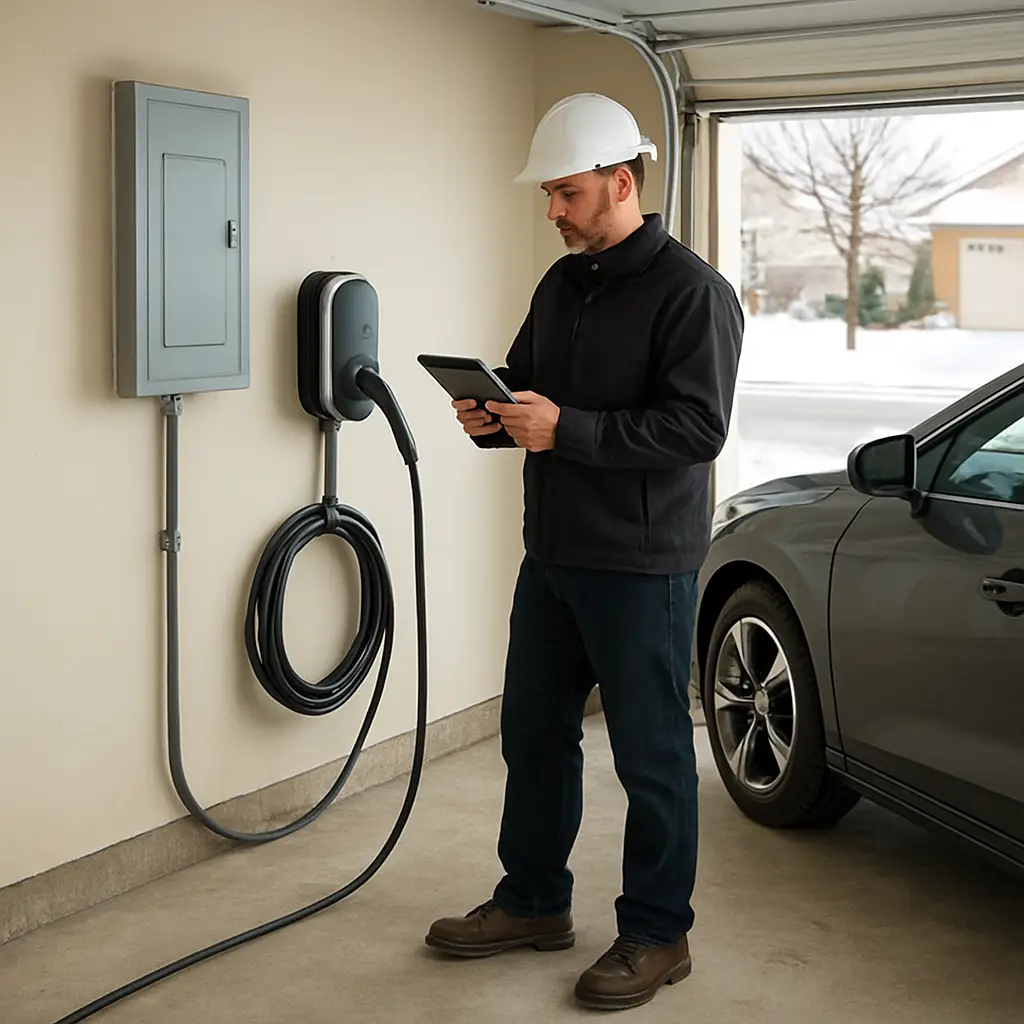
Regina drivers often want reliable overnight charging through very cold weather. That makes charger placement, cable management, snow clearance, and panel capacity especially important. Properties in our electrician service in Greens on Gardiner coverage area can differ in age, layout, garage access, and available panel capacity, so the final recommendation should be based on the specific property.
Safety note: This guide is for planning and recognition, not do-it-yourself wiring. Stop using equipment that is hot, damaged, wet, arcing, smoking, or repeatedly tripping protection.
System design questions to settle first
Daily driving distance and desired charging speed
Confirm the requirement from the actual equipment documentation rather than a similar model.
Existing panel and service capacity
This affects circuit size, protection, control, location, and permit planning.
Indoor versus outdoor parking location
Outdoor exposure and Regina weather can change the suitable product and installation method.
Cable route, trenching, and wall access
Capacity should be verified with calculations instead of relying only on an empty breaker space.
Future second EV or home electrification plans
Planning it early avoids equipment purchases that do not fit the property.
For related hands-on work, review our eV Charger Installation in Regina page. Homeowners comparing broader options may also find our level 2 EV Charger Installation in Regina information useful.
Comparison table: common situations and next steps
| Situation or option | What it means | Practical next step |
|---|---|---|
| Level 1 charging | Standard receptacle; slowest charging | May suit low daily mileage |
| Level 2 charging | Dedicated higher-voltage circuit; faster charging | Common choice for overnight home charging |
| Load-managed Level 2 | Charger adjusts to available capacity | May reduce or defer a service upgrade |
| Panel/service upgrade | Adds capacity for charger and other loads | Required when calculated demand exceeds capacity |
This table is a planning aid. Final requirements depend on the property, equipment ratings, accessible wiring, permit scope, and inspection findings.
What a licensed electrician checks
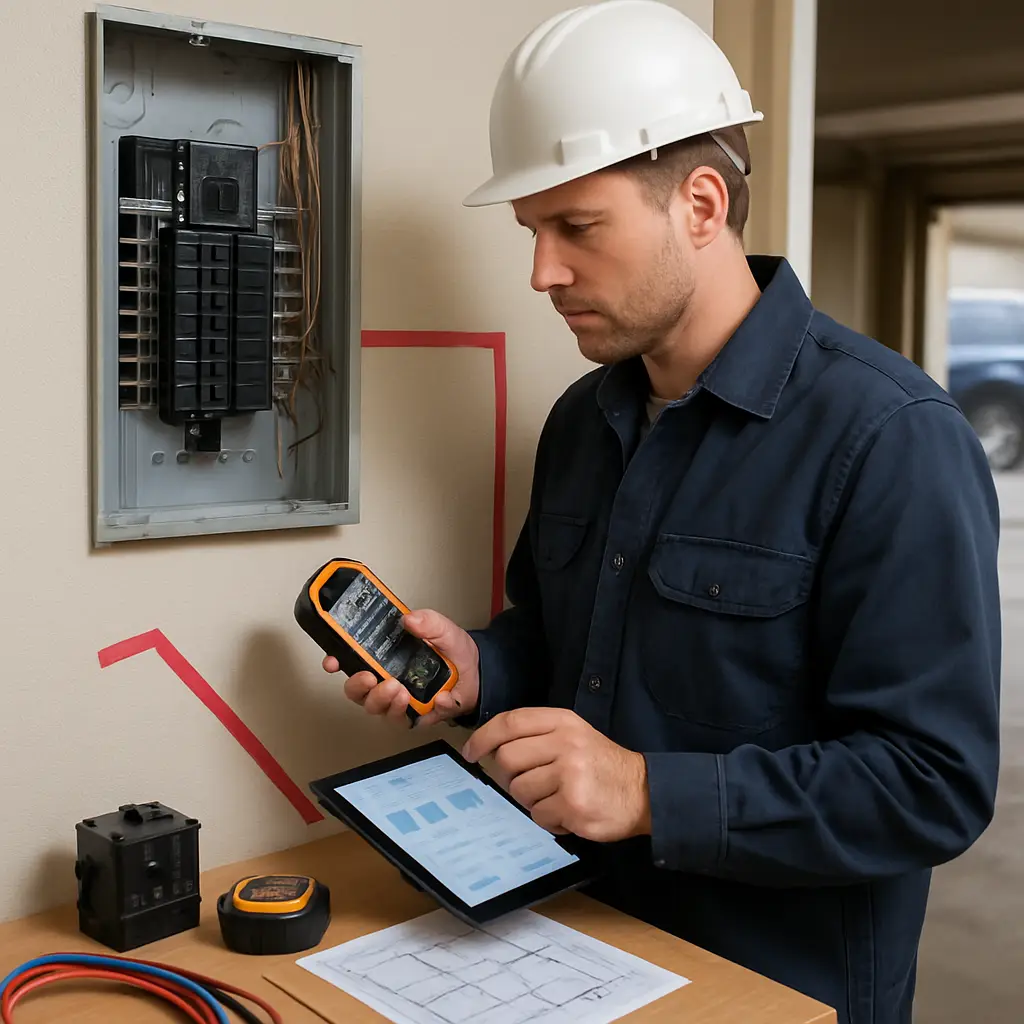
A site-specific assessment is more reliable than choosing equipment or repairs from a symptom alone. Our information about electrical Panel Upgrades in Regina explains a related service path.
- Confirm equipment ratings, duty cycle, manufacturer requirements, and the intended operating conditions.
- Review panel and service capacity, breaker space, cable route, disconnecting means, and protection requirements.
- Plan outdoor equipment for moisture, snow, ice, temperature, access, and maintenance.
- Coordinate permits, inspections, and utility involvement before energization.
How to prepare for an assessment or quote
Good preparation helps the first visit focus on the real decision. See our eV Charger Repair in Regina resource for another relevant planning path.
- Choose the equipment only after confirming compatibility with the property and electrical supply.
- Map the cable or conduit route before landscaping, concrete, cabinets, or finished walls limit access.
- Decide which future loads should be included in the same capacity plan.
- Keep manuals, permit details, inspection records, and commissioning information with the home records.
Local requirements and trusted references
Electrical and building requirements can change. Confirm the current scope before work begins and keep permit and inspection records with the property documents.
- SaskPower EV charging guidance: SaskPower outlines home charging options, installation factors, and potential panel or service upgrade costs.
- TSASK homeowner electrical permit guidance: TSASK limits homeowner permit eligibility and requires licensed contractors for systems such as EV chargers, generators, renewable energy, and battery storage.
Frequently asked questions
Do I need to buy the charger before calling an electrician?
Not necessarily. Confirming compatibility, output, cable length, mounting location, and panel capacity first can prevent buying a unit that does not suit the property.
Does this project require an electrical permit in Regina?
Many installations, new circuits, and alterations require a TSASK electrical permit. A City of Regina building permit may also apply when the electrical work is part of a basement, suite, addition, or broader renovation. Confirm the scope before work begins.
Can a homeowner handle this electrical work?
Electrical installation, panel work, concealed wiring, and fault diagnosis can create shock and fire hazards. Homeowners should limit themselves to safe observation and equipment information, then use a qualified person for regulated work.
What information helps an electrician quote the work?
Share the property address, photos of accessible equipment, and details about daily driving distance and desired charging speed and existing panel and service capacity. Include the preferred timing, any renovation drawings, and exact equipment model numbers.
Plan the next electrical step
Share the property address, the symptoms or project goal, photos of accessible equipment, and your preferred timing through our level 1 vs Level 2 EV Charger. We can then outline the likely next step, whether that is troubleshooting, an inspection, a capacity review, or a planned installation.