
Is your Regina home ready for solar installation?
Interest in residential solar energy is growing across Saskatchewan as homeowners look for ways to reduce electricity costs and increase energy independence. Before selecting solar panels, make sure your electrical panel, grounding system, wiring, and service capacity are prepared to support the installation.

What makes a Regina home solar-ready?
A solar-ready home has enough electrical panel and service capacity, suitable grounding, safe existing wiring, an appropriate meter and equipment location, and an electrical system that can meet applicable permit, inspection, equipment, and grid-connection requirements.
Solar becomes part of your home's electrical infrastructure
Solar panels do not simply connect to the roof. The electricity generated by the array must safely integrate with your electrical panel before it can power appliances or send excess electricity back to the grid.
Limited electrical capacity
An older or heavily loaded panel may not have enough available capacity or breaker space for the proposed solar equipment.
Safety and inspection concerns
Damaged components, poor grounding, obsolete equipment, or non-compliant alterations can affect whether the installation can move forward safely.
Unexpected project costs
Discovering electrical deficiencies after purchasing equipment can create installation delays, scope changes, and additional upgrade costs.
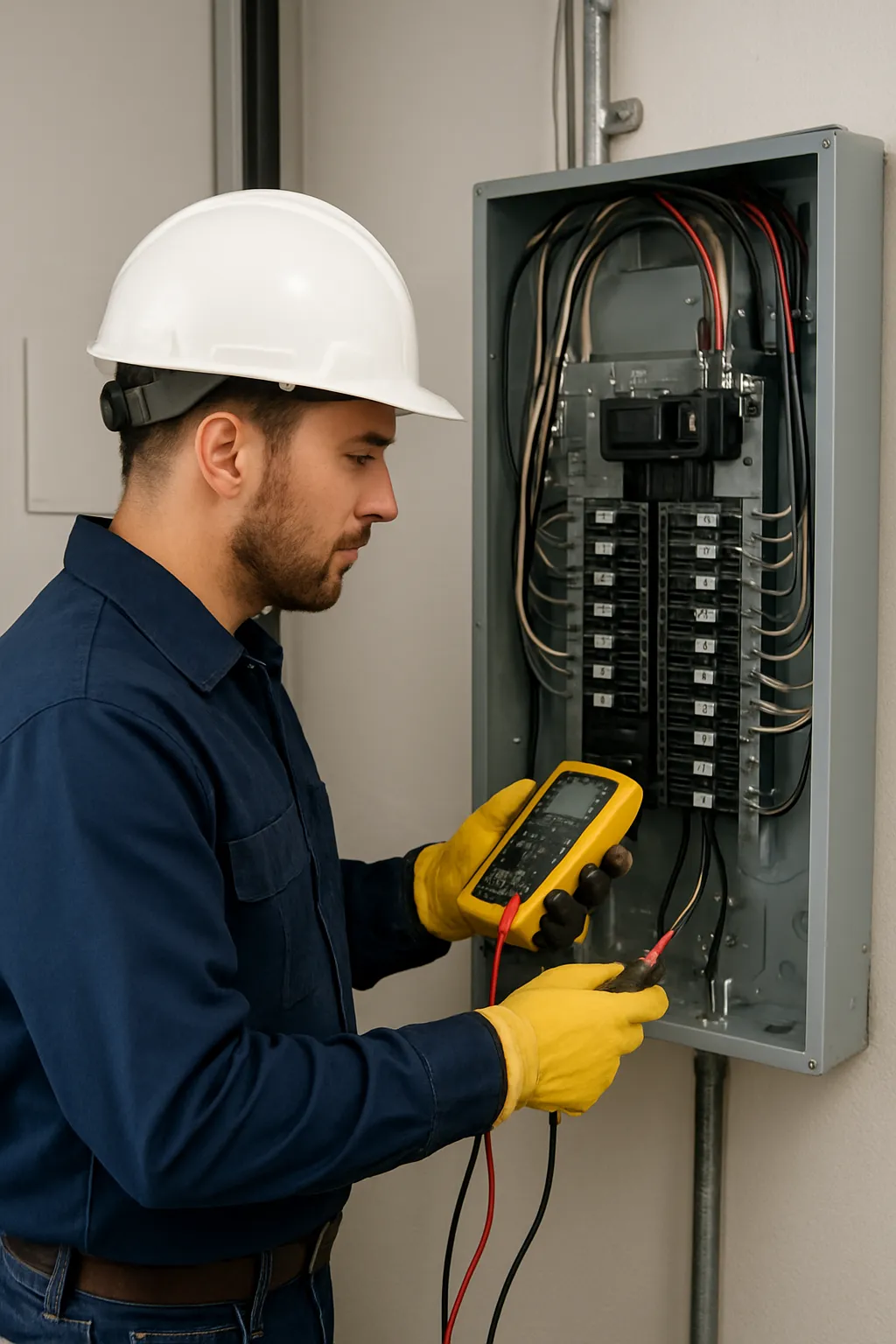
Is your electrical panel ready for solar?
Your electrical panel acts as the control centre for your home's electricity. Every circuit passes through it, including electricity generated by a future solar system.
Many Regina homes built several decades ago still use electrical panels that were not designed for current household demand. The available capacity becomes even more important when solar is being planned alongside an EV charger, heat pump, hot tub, electric range, or other major equipment.
Common signs that a panel assessment or upgrade may be needed include:
- Breakers trip frequently.
- Lights flicker or dim when equipment starts.
- There is little or no available breaker space.
- The home still uses a fuse panel.
- The property has an older 60-amp or 100-amp service.
- There is rust, corrosion, heat damage, or discolouration.
Do not open or modify the panel yourself. Electrical panels contain energized components that can remain hazardous even when individual breakers are switched off.
Grounding is just as important as panel capacity
Grounding is one of the most frequently overlooked parts of a home's electrical system, but it plays an important role in a safe solar installation.
A properly grounded system helps protect occupants, appliances, and solar equipment by providing a controlled path for fault current. During solar planning, the grounding system may need to be reviewed alongside the panel, inverter, disconnects, and related equipment.
Older homes may require grounding improvements before solar equipment can be safely connected. Identifying those requirements before installation allows the work to be included in the project scope rather than discovered during the final stages.
- Review the existing grounding and bonding system.
- Check for visible damage or unapproved alterations.
- Confirm compatibility with proposed solar equipment.
- Address deficiencies before final connection.

Understanding SaskPower solar requirements
Residential solar installations must meet the applicable utility, electrical, equipment, permit, inspection, and interconnection requirements before operating as a grid-connected system.
Electrical permits
Required electrical work should be properly documented and completed under the applicable permit process.
Utility approval
The proposed system may need to be reviewed and approved before it can be connected to the electrical grid.
Certified equipment
Panels, inverters, disconnects, and associated components should be suitable for the installation and intended application.
Electrical inspection
Completed electrical work may require inspection before the solar system is authorized for connection and operation.
Inverter installation
The inverter must be correctly located, connected, protected, and integrated with the home's electrical system.
Grid interconnection
The final connection must support safe operation when the solar system is producing electricity or sending excess energy to the grid.
Other electrical upgrades your home may need
Solar is not always the only improvement required. The inspection may identify upgrades that support the current project while also preparing the property for future electrical demand.
Electrical service capacity
A higher-capacity service may be considered when the home has growing electrical demand and limited available capacity.
Electrical panel replacement
A new panel can provide additional breaker space and support properly planned solar and future equipment circuits.
Whole-home surge protection
Surge protection can help reduce the risk of damage to sensitive electronics, controls, appliances, and solar components.
Dedicated circuits
Dedicated circuits may be planned for an EV charger, battery system, heat pump, hot tub, or other major electrical equipment.
Grounding improvements
Older or incomplete grounding and bonding components may need to be corrected before new equipment is installed.
Wiring corrections
Damaged wiring, improper alterations, or unsuitable connections should be addressed before the solar system is energized.

Why an electrical inspection should come first
Schedule an electrical assessment before purchasing solar equipment or approving a final installation proposal.
Addressing electrical deficiencies before signing a solar contract can reduce the risk of unexpected costs, scheduling problems, and changes to the installation plan.
An electrician can assess:
- Electrical panel condition
- Available service capacity
- Grounding and bonding
- Existing wiring condition
- Meter and equipment location
- Available breaker space
- Visible code concerns
- Potential upgrade requirements
The findings can then be compared with the planned solar system, inverter specifications, equipment location, and expected household electricity use.
Plan for the electrical needs your home may have next
Many Regina homeowners are considering solar as one part of a broader home energy strategy. Planning related upgrades together can help prevent repeated electrical modifications.
Electric vehicle charging
An EV charger can add significant demand and may affect panel, service, circuit, and load-management planning.
Home battery backup
Battery storage may require additional equipment, disconnects, control systems, circuits, and installation space.
Heat pumps
Heating and cooling electrification can change the home's overall demand and available panel capacity.
Smart electrical panels
Smart panels can support monitoring and load control when they are correctly selected and integrated.
Energy monitoring
Monitoring equipment can help homeowners understand consumption, solar production, and changing electricity patterns.
Additional electric appliances
Electric ranges, dryers, water heaters, hot tubs, and workshop equipment can affect future capacity requirements.
Work with licensed professionals
Solar projects involve multiple trades, but your home's electrical infrastructure should be evaluated by a qualified electrical professional.
Whether the property requires a panel upgrade, grounding improvements, wiring corrections, or a complete electrical assessment, the recommended work should support safe operation, inspection readiness, and the proposed solar equipment.
For homeowners considering solar, renovations, or additional electrical upgrades, an experienced electrician in Victoria can recommend practical improvements that support both current and future energy needs.
- Have the property assessed before ordering equipment.
- Share the solar proposal and equipment specifications.
- Identify upgrades that must be completed first.
- Plan future electrical loads at the same time.
- Keep permit and inspection requirements in the project scope.

Regina solar electrical FAQs
Practical answers about panel capacity, grounding, inspections, service upgrades, and preparing a Regina home for residential solar.
Does every Regina home need a panel upgrade before solar?
No. The need for an upgrade depends on the current panel, electrical service size, available breaker space, existing demand, proposed solar equipment, and future additions. An assessment is needed before determining whether the existing panel can remain.
Can solar panels be connected to an older 100-amp service?
It may be possible in some homes, but the service size alone does not determine readiness. The electrician must also review panel condition, current household demand, available capacity, breaker space, equipment specifications, and the proposed connection method.
Why does grounding need to be checked before solar installation?
The solar system becomes part of the property's electrical infrastructure. Suitable grounding and bonding help provide a safe path for fault current and support the correct operation of protective equipment.
Should I schedule an electrical inspection before choosing solar panels?
An early inspection is useful because it can identify panel, service, wiring, grounding, location, and capacity concerns before equipment is purchased or the installation contract is finalized.
What future upgrades should be included in solar planning?
Discuss future EV charging, battery storage, heat pumps, electric appliances, hot tubs, workshops, smart panels, and home energy monitoring. These additions may affect panel and service capacity.
What can delay a residential solar installation?
Common electrical causes of delay can include insufficient panel capacity, damaged equipment, grounding deficiencies, unapproved alterations, unsuitable equipment locations, incomplete permit requirements, and required upgrades that were not identified early.
Prepare your Regina home for solar success
Solar panels are a significant investment. Reviewing the electrical panel, grounding system, wiring, meter location, and available capacity before installation can help identify required upgrades and reduce unexpected project delays.